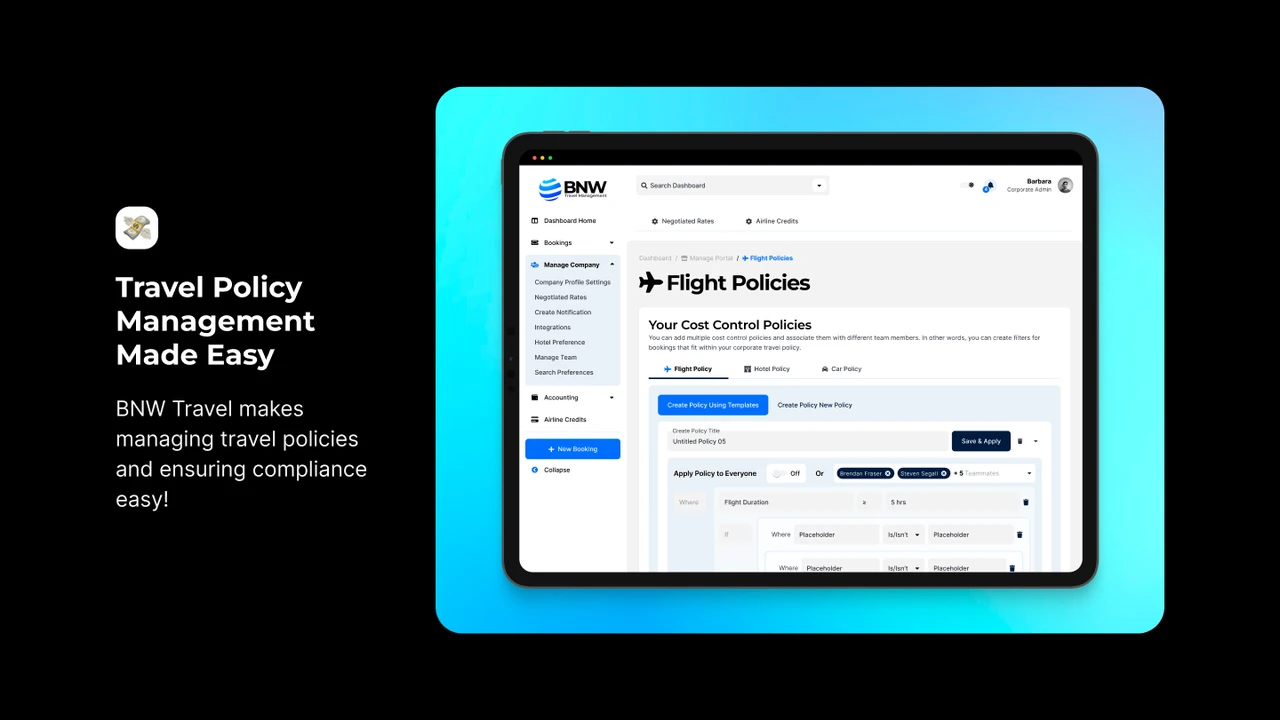
The advantages of using cloud-based platforms for managing and updating your corporate travel policy.
Advertisement
The advantages of using cloud-based platforms for managing and updating your corporate travel policy.
Travel Policy and Cloud Based Solutions
Why Cloud Based Travel Policy Management is a Game Changer
In today's fast-paced business world, managing corporate travel can be a complex beast. From ensuring compliance with company policies to tracking expenses and keeping employees safe, there's a lot to juggle. For years, many businesses relied on outdated, on-premise systems or even manual processes to handle their travel policies. But let's be real, those methods are often clunky, inefficient, and prone to errors. Enter cloud-based solutions – they're revolutionizing how companies manage their travel policies, offering a suite of benefits that traditional methods just can't match.
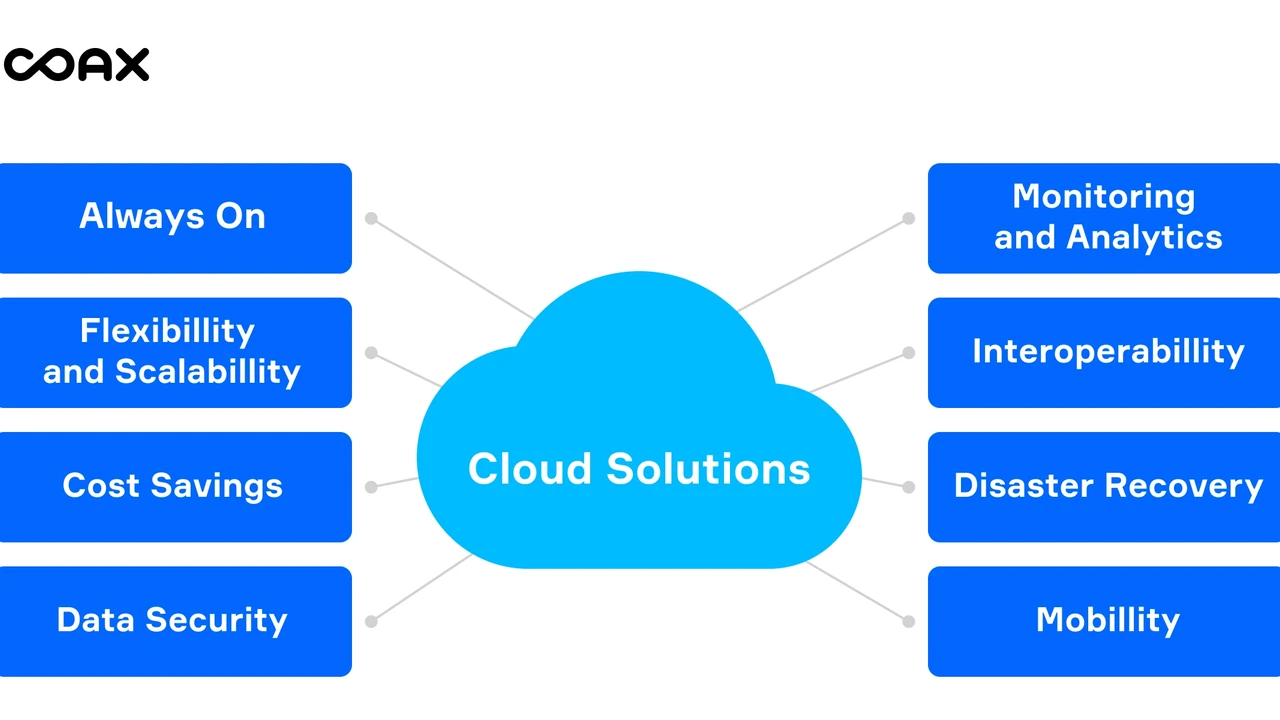
Think about it: a cloud-based platform means your travel policy isn't stuck on a single server in your office. It's accessible from anywhere, at any time, as long as you have an internet connection. This isn't just about convenience; it's about agility, scalability, and security. For businesses with a global footprint or even just a remote workforce, this accessibility is absolutely crucial. It means your employees can book travel, submit expenses, and check policy guidelines whether they're in New York, Singapore, or a coffee shop in their hometown.
Key Advantages of Cloud Based Travel Policy Platforms
Let's dive deeper into why moving your travel policy management to the cloud is such a smart move. It's not just a trend; it's a strategic decision that can impact your bottom line and employee satisfaction.
Enhanced Accessibility and Flexibility for Global Teams
One of the biggest wins for cloud-based solutions is accessibility. Imagine your sales team is spread across different continents. With a cloud platform, everyone accesses the same, up-to-date travel policy. No more emailing PDF versions that quickly become obsolete. This real-time access ensures consistency and reduces confusion, which is a huge plus for compliance. Employees can check policies on their mobile devices before booking, reducing out-of-policy spending. This flexibility also extends to policy updates. When you need to make a change, it's instantly reflected for everyone, everywhere.
Improved Data Security and Compliance Management
Security is often a concern when moving data to the cloud, but reputable cloud providers invest heavily in robust security measures. They often have more advanced security protocols than what most individual businesses can afford or implement on-premise. This includes encryption, multi-factor authentication, and regular security audits. For travel policies, this means sensitive employee data and financial information are better protected. Furthermore, cloud platforms often come with built-in compliance features, helping you adhere to various regulations like GDPR or local tax laws, which is especially important for international travel.
Cost Efficiency and Scalability for Growing Businesses
Traditional on-premise systems require significant upfront investment in hardware, software licenses, and IT infrastructure. Then there are ongoing maintenance costs, upgrades, and dedicated IT staff. Cloud solutions, on the other hand, typically operate on a subscription model (SaaS - Software as a Service). This means lower upfront costs and predictable monthly or annual fees. You pay for what you use, and as your business grows, you can easily scale up your subscription without needing to buy new servers or install complex software. This scalability is a huge advantage for startups and rapidly expanding companies.
Streamlined Workflows and Automation for Efficiency
Cloud-based travel policy platforms are designed to automate many of the tedious manual tasks associated with travel management. This includes automated approval workflows, expense reporting, and policy enforcement. For example, if an employee tries to book a flight that's outside the policy's price range, the system can automatically flag it or require additional approval. This automation reduces administrative burden, speeds up processes, and minimizes human error. It frees up your finance and HR teams to focus on more strategic tasks rather than chasing receipts or manually checking policy adherence.
Real Time Reporting and Analytics for Better Decision Making
One of the most powerful features of cloud-based travel policy solutions is their ability to provide real-time data and analytics. You can easily generate reports on spending patterns, policy compliance rates, preferred vendor usage, and more. This granular insight allows you to identify areas for cost savings, negotiate better deals with suppliers, and refine your policy based on actual usage data. Instead of guessing, you're making data-driven decisions, leading to more effective and efficient travel programs.
Comparing Leading Cloud Based Travel Policy Solutions
Alright, so you're convinced cloud is the way to go. But which platform should you choose? There are many excellent options out there, each with its own strengths. Let's look at a few popular ones, keeping in mind that pricing and features can vary based on your specific needs and negotiation.
SAP Concur Travel and Expense
SAP Concur is arguably one of the most well-known and comprehensive solutions in the market, especially for larger enterprises. It's a robust, cloud-based platform that integrates travel booking, expense management, and invoice processing. Its travel policy enforcement capabilities are top-notch, allowing for highly customizable rules and automated approvals.
* Key Features: Integrated online booking tool, mobile app for on-the-go management, robust policy enforcement, detailed reporting and analytics, integration with various ERP systems, duty of care features.
* Use Case: Best suited for medium to large enterprises with complex travel needs and a desire for a fully integrated solution from booking to expense reimbursement. It's particularly strong for companies with international operations.
* Pros: Highly scalable, extensive features, strong reporting, good for compliance, widely adopted.
* Cons: Can be complex to set up and configure, pricing can be higher for smaller businesses, user interface might feel a bit dated to some.
* Estimated Pricing: Concur's pricing is typically enterprise-level and depends heavily on the number of users, modules selected, and transaction volume. Expect custom quotes, but generally, it's a significant investment, often starting from several thousand dollars annually for smaller implementations and scaling up considerably.
TripActions (now Navan)
TripActions, recently rebranded as Navan, has gained significant traction for its modern, user-friendly interface and focus on employee experience. It combines a corporate travel management platform with expense management, aiming to make business travel as seamless as possible. Their AI-powered platform offers personalized booking options within policy.
* Key Features: AI-driven personalized booking, real-time policy enforcement, integrated expense management, 24/7 live support, carbon footprint tracking, rewards for in-policy booking.
* Use Case: Ideal for companies looking for a modern, intuitive platform that prioritizes employee satisfaction and offers strong real-time policy control. Good for tech-forward companies of all sizes.
* Pros: Excellent user experience, strong mobile app, good customer support, real-time data, encourages in-policy booking.
* Cons: Can be more expensive than some basic solutions, some advanced integrations might require custom work.
* Estimated Pricing: Navan offers tiered pricing, often based on active users and transaction volume. While they don't publicly list exact figures, expect competitive SaaS pricing, potentially starting from a few dollars per user per month for basic features, scaling up for more advanced functionalities and dedicated support. Custom quotes are standard.
TravelPerk
TravelPerk positions itself as a comprehensive business travel platform that simplifies booking, management, and reporting. They emphasize their 'FlexiPerk' feature, which allows for refundable bookings even on non-refundable flights, offering unparalleled flexibility. Their focus is on providing a seamless experience for both travelers and administrators.
* Key Features: All-in-one booking platform, FlexiPerk for refundable bookings, integrated expense reporting, 24/7 customer support, robust policy controls, carbon offsetting options.
* Use Case: Great for businesses of all sizes that value flexibility, a wide range of travel options, and a user-friendly interface. Particularly appealing to companies that frequently need to change or cancel bookings.
* Pros: User-friendly, excellent flexibility options, good customer service, wide inventory of travel options.
* Cons: FlexiPerk comes at an additional cost, some users report occasional glitches with specific integrations.
* Estimated Pricing: TravelPerk offers different plans (Free, Premium, Pro, Enterprise) with varying features and support levels. The 'Premium' plan, which includes policy controls, typically starts around $15-20 per traveler per month, with custom pricing for larger enterprises. FlexiPerk is an add-on service, usually a percentage of the booking cost.
Rydoo
Rydoo focuses heavily on simplifying expense management and integrating it seamlessly with travel booking. It's known for its intuitive mobile app and ability to capture receipts digitally, making the expense reporting process much smoother for employees. While it has travel booking capabilities, its strength lies in expense automation and policy enforcement around spending.
* Key Features: Strong mobile app for expense capture, automated expense reporting, real-time policy checks, integrated travel booking (via partners), detailed analytics.
* Use Case: Excellent for companies primarily looking to streamline their expense management process while also having integrated travel booking. Good for businesses that want to empower employees with easy expense submission.
* Pros: Very user-friendly expense module, efficient receipt scanning, good for policy compliance on expenses, quick implementation.
* Cons: Travel booking features might not be as extensive as dedicated OBTs, more focused on expense side.
* Estimated Pricing: Rydoo typically offers tiered pricing based on the number of active users. Their 'Essential' plan might start around $7-10 per user per month, with 'Advanced' and 'Enterprise' plans offering more features and integrations at higher price points. Custom quotes for large deployments are common.
Egencia (an Expedia Group Company)
Egencia leverages the vast travel inventory of Expedia Group, offering a comprehensive platform for corporate travel management. It provides a global solution with strong policy enforcement, reporting, and traveler support. It's a good choice for companies that want a wide selection of travel options and a reliable, established provider.
* Key Features: Extensive global travel inventory, robust policy enforcement, detailed reporting, 24/7 traveler support, mobile app, integration with various HR and finance systems.
* Use Case: Suitable for medium to large global enterprises that require a broad range of travel options and a strong, reliable platform with global reach.
* Pros: Large inventory, global presence, strong support, good for complex travel programs.
* Cons: Can be less flexible for smaller businesses, user interface might not be as modern as some newer players.
* Estimated Pricing: Egencia's pricing is typically enterprise-level and highly customized based on transaction volume, services required, and global footprint. Expect a significant annual investment, similar to SAP Concur, with custom quotes provided after a detailed assessment of your company's needs.
Implementing a Cloud Based Travel Policy Solution: Best Practices
Choosing the right platform is just the first step. Successful implementation requires careful planning and execution. Here are some best practices to ensure a smooth transition and maximize the benefits of your new cloud-based travel policy solution.
Define Clear Policy Rules and Guidelines
Before you even look at software, make sure your travel policy is crystal clear. What are the spending limits? What's the approval process? Which vendors are preferred? The clearer your policy, the easier it will be to configure it within the cloud platform and ensure compliance. A well-defined policy is the foundation of any successful travel management system.
Engage Stakeholders Early and Often
Don't make this an IT-only project. Involve key stakeholders from finance, HR, legal, and most importantly, frequent travelers. Their input is invaluable. Finance will care about cost control, HR about employee well-being, and travelers about ease of use. Early engagement fosters buy-in and helps identify potential pain points before they become major issues.
Prioritize User Experience and Training
Even the most feature-rich platform will fail if employees don't use it. Choose a solution with an intuitive user interface. Once selected, provide comprehensive training to all employees who will be using the system. This includes travelers, approvers, and administrators. Clear instructions, webinars, and quick-start guides can make a huge difference in adoption rates.
Integrate with Existing Systems
To truly unlock the power of a cloud-based travel policy, integrate it with your existing HR, ERP, and accounting systems. This creates a seamless flow of data, reduces manual data entry, and improves accuracy. For example, integrating with your HR system can automatically update employee profiles, while integration with your accounting software can streamline expense reconciliation.
Start Small and Scale Up
If you're a large organization, consider a phased rollout. Start with a pilot group, gather feedback, and refine your processes before rolling it out company-wide. This allows you to iron out any kinks and build confidence in the new system. For smaller businesses, a full rollout might be feasible from the start, but still, ensure you have a clear plan.
Regularly Review and Optimize Your Policy and Platform
Your travel policy isn't a static document, and neither should your platform usage be. Regularly review your travel data and analytics from the cloud platform. Are employees complying with the policy? Are there opportunities for further cost savings? Is the platform meeting your needs? Use this data to refine your policy, optimize your platform configuration, and ensure you're getting the most out of your investment. The business landscape and travel industry are constantly evolving, so your policy and its management system should evolve with them.
The Future of Travel Policy in the Cloud
The shift to cloud-based solutions for travel policy management is not just a temporary trend; it's the new standard. As technology continues to advance, we can expect even more sophisticated features. Think about deeper integration with AI for predictive analytics, personalized recommendations that stay within policy, and even more seamless mobile experiences. The future promises even greater efficiency, cost control, and a better experience for business travelers, all powered by the flexibility and power of the cloud.
:max_bytes(150000):strip_icc()/277019-baked-pork-chops-with-cream-of-mushroom-soup-DDMFS-beauty-4x3-BG-7505-5762b731cf30447d9cbbbbbf387beafa.jpg)