Travel Policy and Employee Wellness Programs
{ "article": [ { "title": "Travel Policy and Employee Wellness Programs", "meta_description": "Integrating wellness initiatives into travel policies to support employee health and well-being during business travel.", "content": "Integrating wellness initiatives into travel policies to support employee health and well-being during business travel.\n\n
\n\n
Hey there! Let's chat about something super important for anyone who travels for work: how your company's travel policy can actually boost your well-being. We're not just talking about getting from point A to point B anymore. Modern business travel, especially with all the changes we've seen recently, needs to consider the human element. That means looking at how travel impacts an employee's physical and mental health, and how a smart travel policy can actually be a tool for wellness.
\n\nThink about it: long flights, different time zones, unfamiliar environments, and being away from home can take a toll. If your company's travel policy only focuses on cost-cutting and logistics, it's missing a huge piece of the puzzle. A truly effective travel policy should integrate wellness initiatives, making sure employees feel supported, healthy, and productive, even when they're on the road. This isn't just a nice-to-have; it's a strategic move that can lead to happier employees, better performance, and even reduced healthcare costs in the long run.
\n\nWhy Employee Wellness in Travel Policy Matters for Business Travel Health
\n\nSo, why should companies even bother with this? Well, for starters, a healthy employee is a productive employee. When people are constantly stressed, sleep-deprived, or eating poorly on business trips, their performance suffers. They might make more mistakes, be less creative, and generally just not be at their best. Plus, there's the risk of burnout, which can lead to higher turnover rates. And let's be honest, replacing and training new employees is way more expensive than investing in the well-being of your current team.
\n\nBeyond productivity, there's a significant duty of care aspect. Companies have a responsibility to ensure the safety and well-being of their employees, especially when they're traveling for work. This includes not just physical safety, but also mental health. A travel policy that ignores wellness is essentially neglecting this duty. By proactively integrating wellness, companies can mitigate risks, reduce stress-related health issues, and create a more positive and supportive work environment.
\n\nAnother big win? Employee retention and attraction. In today's competitive job market, companies that prioritize employee well-being stand out. A comprehensive travel policy that includes wellness initiatives can be a huge selling point for potential hires and a reason for current employees to stick around. It shows that the company genuinely cares about its people, not just their output.
\n\nKey Wellness Initiatives to Integrate into Your Travel Policy for Employee Well-being
\n\nAlright, so what does this actually look like in practice? Here are some concrete wellness initiatives you can weave into your travel policy:
\n\nFlexible Travel Options and Employee Comfort
\n\nThis is a big one. Sometimes, the cheapest flight isn't the best for an employee's well-being. Your policy could allow for:
\n\n- \n
- Direct Flights: Whenever possible, prioritize direct flights to minimize layovers and travel time. Less time spent in airports means more time for rest or work. \n
- Reasonable Travel Times: Avoid red-eye flights or extremely early departures/late arrivals unless absolutely necessary. Allow for travel during normal business hours when feasible. \n
- Comfortable Accommodation: Instead of always going for the absolute cheapest hotel, consider options that offer better amenities like a gym, healthy food options, or a quiet environment. Maybe even allow for slightly higher-rated hotels if the trip is particularly long or demanding. \n
- Bleisure Travel: Encourage or at least allow for 'bleisure' travel, where employees can extend a business trip for personal leisure. This can significantly reduce travel fatigue and boost morale. Your policy could outline how personal expenses are handled during the leisure portion. \n
Health and Fitness Support for Business Travelers
\n\nBeing on the road shouldn't mean abandoning healthy habits. Your policy can support this by:
\n\n- \n
- Gym Access: Ensure hotel choices include gym facilities or provide allowances for local gym day passes. \n
- Healthy Food Options: Encourage healthy eating by providing per diems that allow for nutritious meals, or by recommending restaurants with healthy options. Some policies might even allow for healthy meal delivery services in certain locations. \n
- Wellness Apps and Subscriptions: Consider offering access to wellness apps (like Headspace for meditation, Calm for sleep, or fitness apps) as part of employee benefits, which can be particularly useful on the road. \n
- Hydration: Remind employees about the importance of hydration and perhaps even provide reusable water bottles or allow for bottled water purchases. \n
Mental Health and Stress Management for Traveling Employees
\n\nTravel can be incredibly stressful. Your policy should address mental well-being:
\n\n- \n
- Time Zone Adjustment: Allow for adequate time to adjust to new time zones, especially for long-haul international flights. This might mean arriving a day early before important meetings. \n
- Communication Guidelines: Set clear expectations around communication outside of working hours. Employees shouldn't feel pressured to respond to emails at 3 AM local time just because it's business hours back home. \n
- Access to Support: Provide clear information on how employees can access mental health support services, whether it's through an Employee Assistance Program (EAP) or other company-provided resources. \n
- Designated Downtime: Encourage and protect downtime during business trips. Employees shouldn't be expected to work every waking hour. \n
Safety and Security Protocols for Employee Travel
\n\nWhile not strictly 'wellness,' feeling safe is fundamental to well-being. Your policy should include:
\n\n- \n
- Emergency Contact Information: Require employees to provide emergency contacts and ensure the company has a clear protocol for emergencies. \n
- Travel Tracking: Implement a system for tracking employee locations during travel (with appropriate privacy considerations) so the company knows where they are in case of an emergency.
- Pre-Trip Briefings: For travel to high-risk areas, provide comprehensive pre-trip briefings on local customs, safety concerns, and emergency procedures. \n
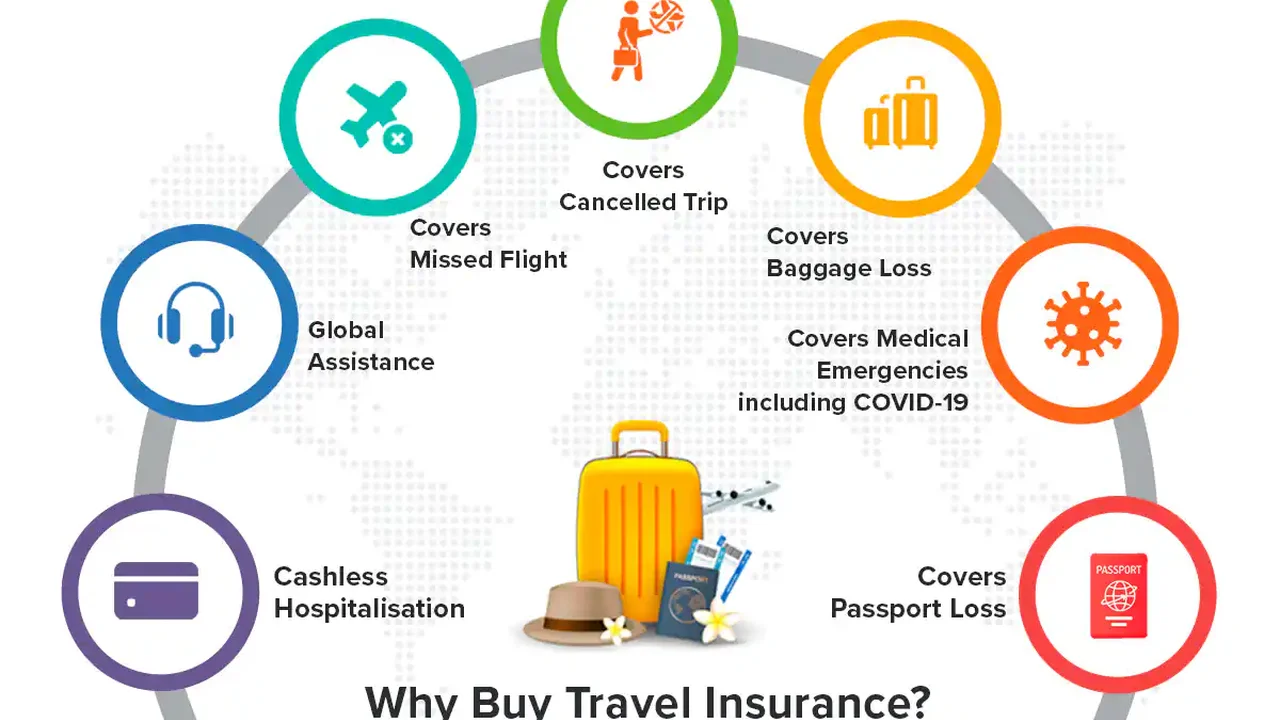
- Access to Medical Assistance: Ensure employees know how to access medical care abroad and that travel insurance covers necessary medical treatments. \n
Technology Solutions for Integrating Wellness into Travel Policies
\n\nThis isn't just about writing new rules; technology can play a huge role in making these wellness initiatives actionable and easy to manage. Here are some types of products and platforms that can help:
\n\nTravel Management Platforms with Wellness Features for Corporate Travel
\n\nMany modern travel management companies (TMCs) and platforms are now integrating wellness features directly into their offerings. These platforms help manage bookings, expenses, and policy compliance, but also add layers of support for travelers.
\n\n1. Egencia (an Expedia Group company)
\n\n- \n
- Description: Egencia is a comprehensive business travel platform that offers online booking, travel management, and reporting. They've been increasingly focusing on traveler well-being. \n
- Wellness Features: Their platform allows companies to set policies that prioritize direct flights, reasonable layovers, and preferred hotels with amenities like gyms. They also offer duty of care features, including traveler tracking and emergency assistance. Their mobile app provides real-time alerts and access to support. \n
- Use Case: A mid-to-large size company looking for an all-in-one solution that can enforce policy while also providing tools for traveler safety and comfort. \n
- Comparison: Strong global presence and integration with Expedia's vast inventory. User-friendly interface. \n
- Pricing: Subscription-based, typically negotiated based on company size and travel volume. Expect a base fee plus transaction fees per booking. For a company with 100 active travelers, this could range from $5,000 to $20,000+ annually, depending on services. \n
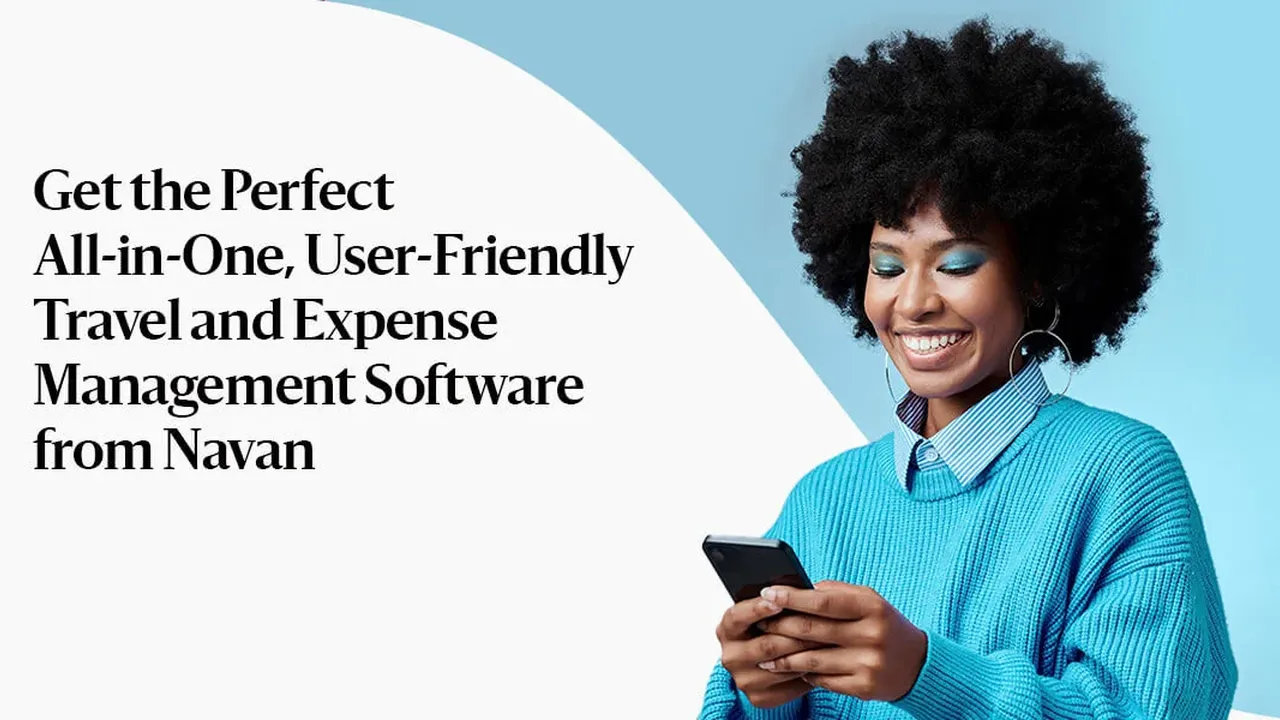
2. TripActions (now Navan)
\n\n- \n
- Description: Navan (formerly TripActions) is known for its AI-driven platform that aims to provide a personalized and seamless travel experience, with a strong emphasis on traveler satisfaction and cost savings. \n
- Wellness Features: Navan's platform uses AI to suggest policy-compliant options that also consider traveler preferences and well-being. They offer 24/7 human support, which is crucial for travelers facing issues. Their rewards program incentivizes employees to choose cost-effective options, but also allows for flexibility. They also have robust duty of care features, including real-time traveler location and risk alerts. \n
- Use Case: Companies that want a highly modern, AI-powered platform that balances cost control with a premium employee experience. \n
- Comparison: Very strong focus on user experience and AI-driven personalization. Excellent customer support. \n
- Pricing: Tiered pricing model, often based on active users and transaction volume. Can range from $10-$30 per traveler per month, plus transaction fees. For a company with 100 travelers, this could be $12,000 to $36,000+ annually. \n
Expense Management Software with Wellness Integrations for Employee Health
\n\nWhile primarily for expenses, some expense management tools are evolving to support wellness by making it easier for employees to claim approved wellness-related expenses.
\n\n1. Expensify
\n\n- \n
- Description: Expensify is a popular expense reporting software known for its user-friendly interface and SmartScan technology. \n
- Wellness Features: While not directly a wellness platform, Expensify allows companies to easily set up custom expense categories for wellness-related items (e.g., 'gym pass,' 'healthy meal allowance'). This makes it simple for employees to submit these expenses and for the company to track wellness spending. Their policy enforcement features can ensure these allowances are adhered to. \n
- Use Case: Companies that want to streamline expense reporting and easily manage allowances for wellness-related spending. \n
- Comparison: Very intuitive and widely adopted. Excellent for receipt management. \n
- Pricing: Starts around $5 per active user per month for basic plans, scaling up for more features. For 100 users, this could be $6,000+ annually. \n
2. SAP Concur
\n\n- \n
- Description: SAP Concur is a comprehensive travel and expense management solution, widely used by larger enterprises. \n
- Wellness Features: Concur offers robust policy enforcement capabilities, allowing companies to define specific rules for wellness-related expenses, such as per diems for healthy meals or allowances for gym access. Their reporting tools can help analyze spending patterns related to wellness. They also integrate with various travel providers, which can help in booking wellness-friendly options. \n
- Use Case: Larger organizations with complex travel and expense needs that require deep integration and robust reporting. \n
- Comparison: Very powerful and customizable, but can have a steeper learning curve than simpler solutions. \n
- Pricing: Enterprise-level pricing, highly customized based on modules and user count. Can range from $10-$25 per user per month, plus implementation costs. For 100 users, this could be $12,000 to $30,000+ annually, not including implementation. \n
Dedicated Wellness Platforms and Apps for Employee Support
\n\nThese platforms aren't travel-specific but can be integrated into a broader employee wellness program that extends to business travel.
\n\n1. Headspace for Work
\n\n- \n
- Description: Headspace offers guided meditation and mindfulness exercises, designed to improve focus, reduce stress, and enhance sleep. \n
- Wellness Features: Companies can provide Headspace subscriptions to their employees. This is incredibly valuable for travelers dealing with jet lag, stress, or difficulty sleeping in new environments. The app offers specific meditations for travel, sleep, and stress relief. \n
- Use Case: Any company looking to support the mental well-being of its employees, especially those who travel frequently. \n
- Comparison: One of the most popular and well-regarded meditation apps. Easy to use. \n
- Pricing: Corporate pricing is typically negotiated based on the number of employees. Can range from $50-$100 per employee per year. For 100 employees, this could be $5,000 to $10,000 annually. \n
2. Calm Business
\n\n- \n
- Description: Similar to Headspace, Calm provides meditation, sleep stories, and mindfulness programs. \n
- Wellness Features: Offers corporate subscriptions to help employees manage stress, improve sleep, and practice mindfulness. Their sleep stories are particularly helpful for travelers struggling with jet lag or unfamiliar beds. \n
- Use Case: Companies prioritizing mental health and sleep quality for their workforce, including business travelers. \n
- Comparison: Very similar to Headspace, often comes down to personal preference for the content and interface. \n
- Pricing: Corporate pricing is negotiated. Similar to Headspace, expect around $50-$100 per employee per year. \n
3. Wellable
\n\n- \n
- Description: Wellable is a broader corporate wellness platform that offers a variety of wellness challenges, content, and integrations with fitness trackers. \n
- Wellness Features: While not travel-specific, Wellable can be used to run wellness challenges that encourage physical activity and healthy habits, even when employees are traveling. It can integrate with fitness apps and devices, allowing employees to track their steps or workouts on the road. Companies can use it to provide wellness resources accessible anywhere. \n
- Use Case: Companies looking for a comprehensive, customizable wellness program that can engage employees both in the office and while traveling. \n
- Comparison: More of a holistic wellness platform compared to single-focus apps like Headspace or Calm. \n
- Pricing: Varies widely based on features and number of employees. Can range from $5-$15 per employee per month. For 100 employees, this could be $6,000 to $18,000 annually. \n
Implementing Wellness Initiatives in Your Travel Policy for Employee Support
\n\nOkay, so you've got the ideas and some tech options. How do you actually put this into action? It's not just about adding a few lines to your existing policy document. It requires a thoughtful approach.
\n\nCommunication and Training for Travel Policy Wellness
\n\nFirst off, you need to communicate these changes clearly. Don't just send out an email and expect everyone to read it. Hold town halls, create engaging internal communications, and provide training sessions. Explain why these changes are being made – emphasize that it's about supporting employee well-being, not just another rule. Make sure employees understand what's available to them, how to access it, and how to utilize the new policy features.
\n\nFeedback Mechanisms for Travel Policy Improvement
\n\nThis isn't a one-and-done deal. You need to create channels for feedback. Anonymous surveys, focus groups, or even a dedicated email address where employees can share their experiences and suggestions. What's working? What's not? Are there specific challenges travelers face that the policy isn't addressing? This feedback is gold for continuous improvement.
\n\nRegular Review and Updates for Travel Policy Effectiveness
\n\nThe world of travel, and employee expectations, are constantly evolving. Your travel policy, especially its wellness components, should be reviewed regularly – at least annually, or more frequently if there are significant changes in travel patterns or global events. Are the per diems still adequate for healthy meals in different cities? Are the preferred hotels still meeting wellness needs? Are new technologies available that could further enhance traveler well-being?
\n\nLeadership Buy-in and Role Modeling for Travel Policy Success
\n\nFinally, and perhaps most importantly, you need buy-in from leadership. If senior managers are seen flouting the wellness guidelines or not prioritizing their own well-being on trips, it sends the wrong message. Leaders should champion these initiatives, talk about their importance, and ideally, model the desired behaviors. When employees see that wellness is genuinely valued from the top down, they're much more likely to embrace and benefit from the policy.
\n\nUltimately, integrating wellness into your travel policy isn't just about being a 'nice' company. It's a smart business decision that leads to a healthier, happier, and more productive workforce. It's about recognizing that your employees are your most valuable asset, and their well-being, even when they're thousands of miles away, directly impacts your company's success. So, let's make business travel not just efficient, but also genuinely good for the people doing the traveling.
" } ] }:max_bytes(150000):strip_icc()/277019-baked-pork-chops-with-cream-of-mushroom-soup-DDMFS-beauty-4x3-BG-7505-5762b731cf30447d9cbbbbbf387beafa.jpg)