Travel Policy for Special Needs and Accommodations
Ensuring your travel policy addresses the needs of employees requiring special accommodations or assistance.

Ensuring your travel policy addresses the needs of employees requiring special accommodations or assistance.
Travel Policy for Special Needs and Accommodations
Hey everyone, let's talk about something super important but often overlooked in corporate travel policies: making sure our travel policies are inclusive and supportive for all employees, especially those who need special accommodations or assistance. It's not just about compliance; it's about creating a workplace culture where everyone feels valued, safe, and able to perform their best, regardless of their individual needs. A truly effective travel policy isn't one-size-fits-all; it's one that adapts and provides flexibility. We're going to dive deep into how to craft a travel policy that genuinely supports employees with diverse needs, from physical disabilities to medical conditions, and even mental health considerations. We'll also look at some practical tools and services that can help make this a reality, comparing a few options to give you a clearer picture.
Understanding Diverse Employee Needs in Travel Policy Design
First off, what exactly do we mean by 'special needs' or 'accommodations' in the context of business travel? It's a broad spectrum. It could be an employee who uses a wheelchair and needs accessible transportation and lodging. It might be someone with a severe allergy requiring specific meal preparations or air filtration. It could also be an individual with a chronic medical condition needing regular medication refrigeration or access to medical facilities. And let's not forget mental health; travel can be incredibly stressful, and some employees might need accommodations like quieter environments, direct flights to minimize anxiety, or even access to virtual therapy sessions while on the road. The key is to recognize that these aren't 'special favors' but necessary adjustments to ensure equitable participation and well-being. Your travel policy should explicitly state a commitment to providing reasonable accommodations, outlining the process for requesting them, and ensuring confidentiality.
Key Components of an Inclusive Travel Policy for Accommodations
So, how do we build this into the policy? Here are some essential components:
Accessibility Guidelines for Travel Policy
Your policy should clearly state that all travel arrangements will prioritize accessibility. This means booking accessible hotel rooms, ensuring ground transportation can accommodate mobility devices, and selecting airlines that have a strong track record for assisting passengers with disabilities. It's not enough to just say 'accessible'; you need to define what that means. For example, for hotels, specify requirements like roll-in showers, grab bars, wider doorways, and accessible common areas. For air travel, ensure the policy covers assistance with boarding, deplaning, and in-flight needs. Consider including a clause that allows for additional costs if an accessible option is more expensive, emphasizing that the company will bear these reasonable expenses.
Medical and Health Considerations in Travel Policy
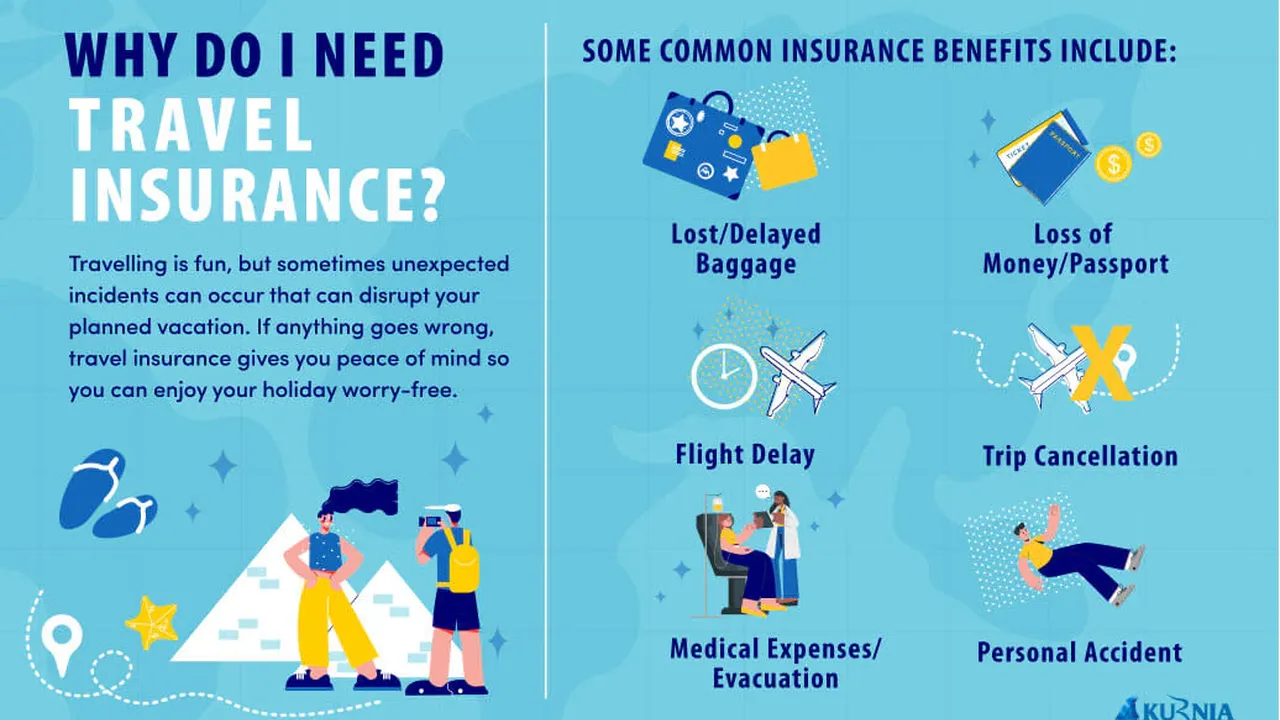
This section should cover how the company supports employees with medical conditions. This might include provisions for carrying necessary medical equipment, refrigeration for medication, or allowing for additional luggage for medical supplies. It should also outline procedures for medical emergencies abroad, including access to medical assistance services and insurance coverage. For employees with severe allergies, the policy could mandate communication with airlines and hotels regarding dietary restrictions well in advance. It's also wise to include a section on mental health support, perhaps allowing for flexibility in travel schedules or providing access to mental wellness resources during trips.
Process for Requesting and Approving Accommodations in Travel Policy
Transparency and ease of access are crucial here. The policy needs a clear, step-by-step process for employees to request accommodations. Who do they contact? What information do they need to provide? How quickly will a decision be made? This process should be confidential and handled by a designated HR or travel manager who is trained in disability awareness and accommodation best practices. It's important to emphasize that requests will be reviewed on a case-by-case basis, ensuring flexibility while maintaining fairness. A dedicated form or online portal for requests can streamline this process.
Training and Awareness for Travel Policy Stakeholders
It's not just about the policy document; it's about the people implementing it. Travel managers, HR personnel, and even team leaders should receive training on disability awareness, cultural sensitivity, and how to effectively support employees with diverse needs. This training should cover topics like respectful communication, understanding different types of accommodations, and knowing when to seek expert advice. Awareness campaigns for all employees can also help foster a more inclusive travel culture, encouraging empathy and understanding.
Technology Solutions for Travel Policy Accommodations
Now, let's talk about how technology can really help us here. There are several platforms and services that can make managing special accommodations much smoother. These tools can help with everything from booking accessible travel to providing on-demand support.
Accessible Travel Booking Platforms and Tools
Many modern travel management platforms are integrating features to support accessible travel. These aren't just generic booking sites; they have specific functionalities to filter for accessible options or allow for detailed requests to be passed on to suppliers.
1. Egencia (an Amex GBT company)
- Description: Egencia is a comprehensive travel management platform that offers a robust booking engine. While not exclusively for accessible travel, its strength lies in its ability to integrate with various suppliers and allow for detailed traveler profiles.
- Use Case: An employee with mobility issues can have their specific needs (e.g., wheelchair assistance, accessible room requirements) stored in their traveler profile. When booking, these preferences can be automatically flagged to the travel manager or directly communicated to airlines and hotels. Their customer service team is also equipped to handle specific accommodation requests.
- Comparison: Egencia is a full-service TMC (Travel Management Company) solution, meaning it offers end-to-end travel management beyond just booking. This makes it suitable for larger organizations that need integrated expense management, reporting, and duty of care features alongside accommodation support. It's more hands-on with human support for complex requests compared to purely self-service platforms.
- Pricing: Egencia typically operates on a transaction fee model per booking or a management fee based on travel spend. Specific pricing is usually customized based on company size and volume, so you'd need to contact their sales team for a quote. Expect it to be a premium solution due to its comprehensive features and support.
2. TripActions (now Navan)
- Description: TripActions, now Navan, is known for its user-friendly interface and AI-driven personalization. It aims to make business travel as seamless as leisure travel. It allows for detailed traveler preferences and has a strong focus on traveler satisfaction.
- Use Case: Similar to Egencia, Navan allows employees to input detailed accessibility and medical needs into their profiles. Its AI can then prioritize accessible options in search results. If a specific accessible room type isn't directly bookable online, their 24/7 support team can intervene and make the necessary arrangements directly with the hotel or airline. They also have features for real-time support during trips, which can be crucial for unexpected accommodation needs.
- Comparison: Navan often emphasizes its modern, intuitive user experience and strong mobile app. It's very good for companies looking for a high degree of automation and a consumer-grade booking experience. While it supports accommodations, its primary focus is on overall traveler experience and cost savings through AI optimization. It might be slightly less 'human-touch' for every single accommodation request compared to a traditional TMC, but its support team is readily available.
- Pricing: Navan also uses a subscription-based model, often with a per-employee or per-transaction fee. They offer different tiers of service, and pricing can vary significantly based on the features required and the number of active travelers. Again, direct consultation with their sales team is necessary for accurate pricing.
3. AccessibleGO
- Description: AccessibleGO is a travel booking platform specifically designed for travelers with disabilities. It allows users to search for and book accessible hotel rooms, flights, and cruises, with detailed accessibility information provided for each listing.
- Use Case: While primarily consumer-focused, a company could direct employees with specific accessibility needs to use AccessibleGO for their bookings, or integrate its principles into their internal booking process. It provides granular details like bathroom accessibility, bed height, and specific equipment availability, which is often missing from mainstream platforms. This could be particularly useful for employees who need very specific accommodations that standard platforms don't cater to.
- Comparison: AccessibleGO is a niche platform. Its strength is its deep focus on accessibility details, which mainstream platforms often lack. It's not a full-fledged corporate travel management system, so it wouldn't handle expense reporting or policy enforcement directly. However, it could be a valuable resource or a preferred booking channel for employees with very specific accessibility requirements, complementing a broader travel policy. It's more about finding the right accessible option than managing the entire travel program.
- Pricing: As a consumer-facing booking site, AccessibleGO doesn't have corporate pricing models. It operates like a standard online travel agency, earning commissions from bookings. There's no direct cost to the company for using it as a resource.
On-Demand Support and Assistance Services
Beyond booking, what about support during the trip? This is where specialized assistance services come in.
1. International SOS
- Description: International SOS is a leading medical and security assistance company. They provide comprehensive services, including medical advice, emergency evacuation, and security alerts, to travelers worldwide.
- Use Case: For an employee with a pre-existing medical condition traveling internationally, International SOS can provide pre-travel medical advice, help locate suitable medical facilities abroad, arrange for medication refills, and even coordinate emergency medical evacuations if necessary. They can also offer mental health support and crisis intervention. Their services are invaluable for duty of care, especially for employees with complex health needs.
- Comparison: International SOS is not a booking platform; it's a critical support service. It complements your travel policy by providing a safety net for all travelers, but especially those with special needs. It's a proactive and reactive solution for health and security risks. Most large corporations with significant international travel will have a partnership with a service like International SOS.
- Pricing: International SOS operates on a subscription model, typically an annual fee based on the number of employees covered and the level of service required. This can range from thousands to hundreds of thousands of dollars annually for large enterprises.
2. AirAble
- Description: AirAble is a platform focused on improving air travel for passengers with disabilities. It provides information on airline accessibility policies, airport services, and allows users to share their experiences.
- Use Case: While also consumer-facing, AirAble can be a valuable resource for employees to research specific airline policies regarding mobility aids, service animals, or medical equipment before booking. It helps them understand what to expect and what assistance they are entitled to. A company could recommend this resource to employees planning air travel with specific needs.
- Comparison: Similar to AccessibleGO, AirAble is an informational and community-driven platform rather than a corporate travel management tool. It's highly specialized in air travel accessibility. It's a great resource for pre-trip planning and understanding airline-specific nuances for travelers with disabilities.
- Pricing: AirAble is a free resource for users.
Implementing and Communicating Your Inclusive Travel Policy
Having a great policy on paper is one thing; making it work in practice is another. Communication is key. Don't just bury this section in a massive policy document. Highlight it. Create dedicated resources, FAQs, and even short training modules. Make sure employees know who to contact and that their requests will be handled with discretion and respect. Regularly review the policy based on employee feedback and evolving best practices. The goal is to create a travel program where every employee feels confident, supported, and safe when traveling for business, knowing that their individual needs are not just acknowledged but actively accommodated.
Remember, an inclusive travel policy isn't just a nice-to-have; it's a fundamental aspect of a responsible and empathetic organization. It contributes to employee well-being, productivity, and ultimately, the success of your business.
:max_bytes(150000):strip_icc()/277019-baked-pork-chops-with-cream-of-mushroom-soup-DDMFS-beauty-4x3-BG-7505-5762b731cf30447d9cbbbbbf387beafa.jpg)