Travel Policy for Tax Compliance International
{ "article": [ { "title": "Travel Policy for Tax Compliance International", "meta_description": "Navigating complex international tax regulations and ensuring travel policy compliance for global operations.", "content": "Navigating complex international tax regulations and ensuring travel policy compliance for global operations.\n\n
\n\n
Hey there, business travelers and finance folks! Let's dive deep into something that might sound a bit dry but is absolutely crucial for any company with global ambitions: international tax compliance within your travel policy. If your team is jet-setting across borders, you're not just dealing with flight bookings and hotel stays; you're stepping into a complex web of tax laws that vary wildly from one country to another. Get it wrong, and you could be looking at hefty fines, legal headaches, and a whole lot of unnecessary stress. So, let's break down how to build a travel policy that keeps you on the right side of the taxman, no matter where your business takes you.
\n\nUnderstanding International Tax Regulations for Business Travel
\n\nFirst things first, what exactly are we talking about when we say 'international tax regulations' in the context of business travel? It's not just about income tax for your employees. It encompasses a broader spectrum, including corporate tax implications, permanent establishment risks, VAT/GST recovery, payroll withholding obligations, and even social security contributions. Each country has its own rules, thresholds, and definitions for what constitutes taxable presence or activity. For instance, a sales trip to Germany might trigger different tax obligations than a technical support visit to Singapore, even if both last the same duration. It's a minefield, but one you can navigate with the right policy in place.
\n\nOne of the biggest traps is the concept of 'permanent establishment' (PE). This is where a company's activities in a foreign country become so significant that they're deemed to have a taxable presence there, even without a physical office. Think about a project manager spending several months overseeing a client project in another country. This could inadvertently create a PE, leading to corporate tax liabilities in that foreign jurisdiction. Your travel policy needs clear guidelines on trip durations, activities allowed, and reporting mechanisms to flag potential PE risks before they become actual problems.
\n\nThen there's VAT/GST. Many countries levy a Value Added Tax or Goods and Services Tax on goods and services. Business travelers often incur these taxes on hotels, meals, and local transportation. The good news? Often, these taxes can be recovered. The bad news? The recovery process is often complex, requiring specific documentation and adherence to local rules. Your travel policy should outline clear procedures for capturing and submitting these receipts to maximize recovery.
\n\nKey Components of a Tax Compliant Travel Policy
\n\nSo, how do you bake tax compliance into your travel policy? It starts with a few core components:
\n\nDefining Business vs Personal Travel for Tax Purposes
\n\nThis might seem obvious, but the line between business and personal travel can get blurry, especially with the rise of 'bleisure' trips. From a tax perspective, expenses incurred for personal reasons are generally not deductible for the company and might be considered a taxable benefit for the employee. Your policy must clearly define what constitutes a legitimate business expense and what doesn't. For example, if an employee extends a business trip for a personal vacation, the policy should specify that only the business portion of the airfare and accommodation is reimbursable, and any personal expenses are the employee's responsibility. Clear documentation requirements for mixed-purpose trips are essential.
\n\nSetting Clear Per Diem and Expense Reimbursement Rules
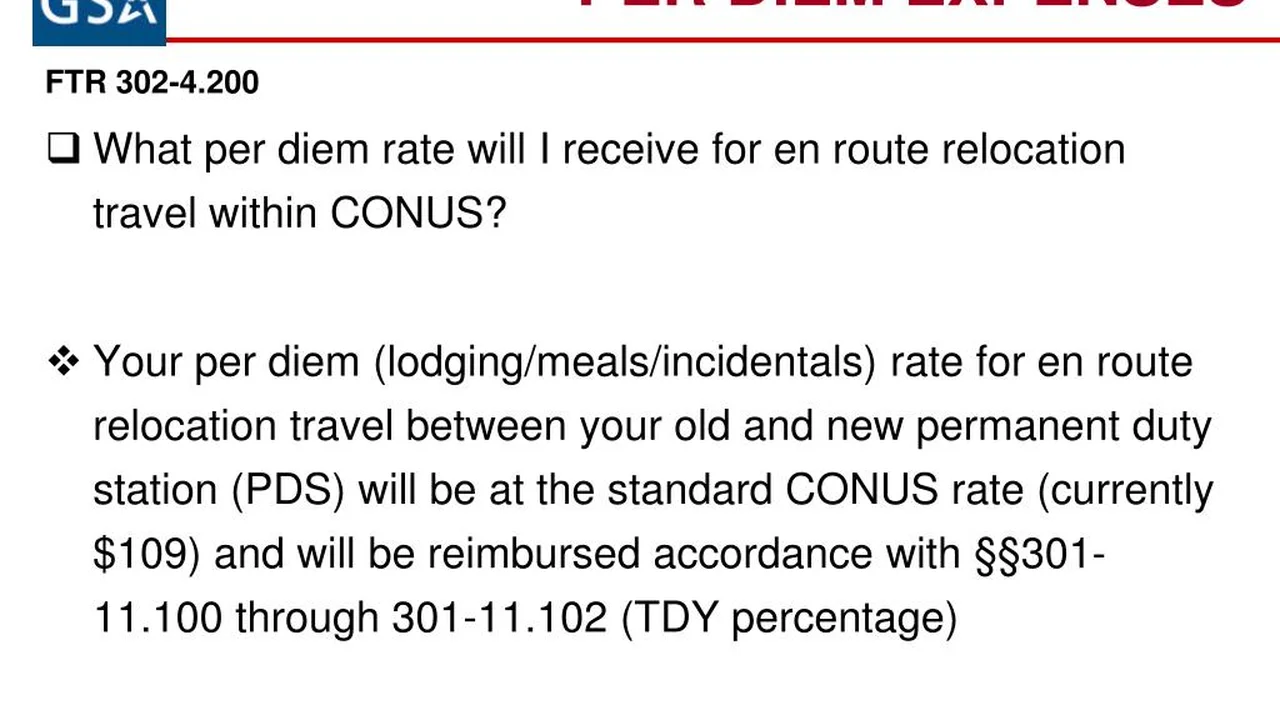
\n\nPer diems and expense reimbursements are common, but their tax treatment varies globally. Some countries have specific tax-free thresholds for per diems, while others treat all reimbursements as taxable income unless strict conditions are met. Your policy needs to be aligned with the tax laws of the countries your employees frequently visit. For instance, the IRS in the US has specific per diem rates that, if adhered to, can make reimbursements non-taxable to the employee. However, exceeding these rates or not having proper substantiation can lead to taxable income. For international travel, you might need to consult local tax advisors to set appropriate, tax-efficient per diem rates.
\n\nTracking Travel Duration and Location for Tax Residency
\n\nThis is a big one. The number of days an employee spends in a foreign country can trigger tax residency rules, leading to personal income tax obligations in that country. Many countries have a '183-day rule' (or similar), where spending more than 183 days in a tax year can make an individual a tax resident. Your travel policy should mandate robust tracking of travel dates and locations for all international trips. This data is critical for assessing potential individual tax liabilities and for the company's payroll withholding obligations. Automated travel management systems can be invaluable here, providing real-time visibility into employee whereabouts.
\n\nManaging Payroll Withholding and Social Security Obligations
\n\nWhen an employee works in a foreign country, even temporarily, it can trigger payroll withholding obligations for the employer in that country. This means the company might need to register as an employer in the foreign jurisdiction and withhold local income taxes and social security contributions. This is particularly complex for short-term assignments or frequent business travelers. Your travel policy should outline the process for identifying such situations and engaging with HR and payroll teams to ensure compliance. Bilateral social security agreements (Totalization Agreements) can sometimes alleviate double contributions, but these need to be understood and applied correctly.
\n\nDocumenting and Retaining Records for Tax Audits
\n\nIf there's one golden rule in tax compliance, it's documentation. For international travel, this means meticulous record-keeping of all expenses, travel dates, purposes of travel, and approvals. Tax authorities often require specific types of receipts, invoices, and travel logs. Your travel policy should clearly state what documentation is required for each type of expense and how long these records must be retained (often several years, depending on local laws). Digital solutions for expense reporting and document storage are highly recommended to ensure easy access during audits.
\n\nTechnology Solutions for International Tax Compliance in Travel
\n\nManually tracking all these nuances for a global workforce is a nightmare. This is where technology steps in. Several platforms can significantly ease the burden of international tax compliance related to business travel. Let's look at a few types and specific examples:
\n\nGlobal Mobility and Tax Compliance Software
\n\nThese platforms are specifically designed to manage the complexities of international assignments and business travel from a tax and immigration perspective. They help track days spent in various jurisdictions, assess tax residency risks, and even calculate hypothetical tax liabilities.
\n\n- \n
- Top Pick: Topia\n
- \n
- Description: Topia offers a comprehensive global mobility management suite that includes robust tax compliance features. It tracks employee locations and durations, provides real-time insights into tax and immigration risks, and helps automate compliance workflows. It integrates with HRIS and payroll systems. \n
- Key Features: Global tax risk assessment, permanent establishment monitoring, shadow payroll calculations, immigration compliance, and reporting. \n
- Use Case: Ideal for companies with frequent international business travelers, short-term assignees, or remote workers in multiple countries. It helps proactively identify tax triggers before they become issues. \n
- Pricing: Enterprise-level pricing, typically custom quotes based on the number of employees and modules required. Expect it to be a significant investment, but one that pays off in risk mitigation. \n
\n - Alternative: Equus Software (now part of Topia)\n
- \n
- Description: Equus has long been a leader in global mobility software, offering similar capabilities to Topia, focusing on assignment management, tax, and immigration. \n
- Key Features: Assignment cost projections, tax equalization, immigration case management, and compliance dashboards. \n
- Use Case: Similar to Topia, excellent for managing complex global workforces and ensuring compliance across various jurisdictions. \n
- Pricing: Custom enterprise pricing. \n
\n
Expense Management Systems with Global Capabilities
\n\nWhile not solely tax compliance tools, modern expense management systems are crucial for capturing the data needed for tax purposes, especially for VAT/GST recovery and substantiating expenses.
\n\n- \n
- Top Pick: SAP Concur\n
- \n
- Description: Concur is a widely used expense and travel management platform. Its global capabilities allow for multi-currency support, localized tax settings, and robust reporting that can be leveraged for tax compliance. It helps capture detailed expense data, which is essential for VAT recovery. \n
- Key Features: Automated expense reporting, receipt capture, multi-currency support, integration with ERP systems, and analytics. \n
- Use Case: Excellent for companies needing to streamline expense reporting globally and ensure proper documentation for tax purposes. While it doesn't directly calculate tax liabilities, it provides the foundational data. \n
- Pricing: Varies based on company size and modules. Starts from around $8 per user per month for basic expense, scaling up for travel and advanced features. \n
\n - Alternative: Expensify\n
- \n
- Description: Expensify is known for its user-friendly interface and SmartScan technology for receipt capture. It supports multiple currencies and can be configured for various tax requirements. \n
- Key Features: Receipt scanning, automated expense reports, corporate card reconciliation, multi-currency, and basic policy enforcement. \n
- Use Case: Good for small to medium-sized businesses with international travel, offering a simpler, more intuitive experience for employees. \n
- Pricing: Starts from $5 per user per month for basic features, with more advanced plans available. \n
\n
Travel Management Companies (TMCs) with Compliance Expertise
\n\nMany large TMCs offer services that go beyond booking, including compliance support and data reporting that can aid in tax compliance.
\n\n- \n
- Top Pick: American Express Global Business Travel (Amex GBT)\n
- \n
- Description: Amex GBT provides end-to-end travel management solutions for large enterprises. They offer robust reporting capabilities that can track traveler location, spend, and duration, which is invaluable for tax compliance. They also have partnerships with tax and immigration experts. \n
- Key Features: Global booking platform, duty of care, detailed reporting, policy enforcement, and access to compliance advisory services. \n
- Use Case: Best for large corporations with complex global travel needs that require comprehensive support and data insights for compliance. \n
- Pricing: Custom, enterprise-level contracts. \n
\n - Alternative: CWT (Carlson Wagonlit Travel)\n
- Description: CWT is another major global TMC offering extensive services, including data analytics and reporting that can be tailored to support tax compliance efforts.
- Key Features: Global travel booking, risk management, data insights, and consulting services.
- Use Case: Similar to Amex GBT, suitable for large organizations seeking integrated travel and compliance support.
- Pricing: Custom, enterprise-level contracts.
Best Practices for Implementing a Tax Compliant Travel Policy
Having the right tools is great, but you also need to implement your policy effectively. Here are some best practices:
Collaborate with Tax and Legal Experts
This isn't a DIY project. Engage with internal tax and legal departments, or external advisors specializing in international tax and global mobility. They can provide country-specific guidance and help you understand the nuances of double taxation treaties, social security agreements, and local payroll requirements. Their expertise is invaluable in drafting a policy that is both compliant and practical.
Regularly Review and Update Your Policy
Tax laws are not static. They change frequently, especially in response to global economic shifts or new working models (like remote work from abroad). Your travel policy needs to be a living document, reviewed at least annually, or whenever there are significant changes in tax legislation, business operations, or travel patterns. Staying proactive is key to avoiding non-compliance.
Communicate Clearly with Employees
A policy is only as good as its understanding and adherence. Clearly communicate the international tax compliance aspects of your travel policy to all employees, especially those who travel frequently. Use plain language, provide examples, and offer training sessions. Employees need to understand their responsibilities, such as tracking days, submitting accurate expense reports, and reporting any personal travel extensions. Transparency fosters compliance.
Integrate with HR and Payroll Systems
For seamless data flow and accurate reporting, ensure your travel management and expense systems integrate with your HR and payroll systems. This integration helps in tracking employee locations, managing payroll withholding, and ensuring that any taxable benefits from travel are correctly reported on payslips and tax forms. Automation here reduces manual errors and saves significant time.
Establish a Robust Approval Process
Implement a multi-layered approval process for international travel, especially for longer trips or those to high-risk tax jurisdictions. Approvers should be aware of the potential tax implications and have the authority to flag trips that might trigger compliance issues. This proactive approach can prevent problems before they even begin.
Leverage Data Analytics for Risk Identification
Use the data collected from your travel and expense systems to identify patterns and potential tax risks. Are certain employees consistently spending close to the 183-day threshold in a particular country? Are there recurring expenses that might be miscategorized from a tax perspective? Data analytics can provide early warnings and help you address issues before they escalate into major compliance breaches.
Ultimately, managing international tax compliance within your travel policy is about balancing business needs with legal obligations. It requires a proactive approach, the right technology, and strong collaboration across different departments. By investing in a robust, tax-aware travel policy, you're not just avoiding penalties; you're building a more resilient and responsible global operation.
" } ] }:max_bytes(150000):strip_icc()/277019-baked-pork-chops-with-cream-of-mushroom-soup-DDMFS-beauty-4x3-BG-7505-5762b731cf30447d9cbbbbbf387beafa.jpg)