Key strategies for localizing your global travel policy to meet specific regional requirements and preferences.
Advertisement
Key strategies for localizing your global travel policy to meet specific regional requirements and preferences.
Travel Policy Localization Best Practices
Understanding Global Travel Policy Challenges
So, you've got this awesome global travel policy, right? It's designed to keep things consistent, save money, and make sure everyone's safe, no matter where they are. But here's the kicker: what works perfectly in New York might not fly in Singapore, and what's standard in London could be totally out of place in Bangkok. That's where travel policy localization comes in. It's not just about translating your policy into different languages; it's about adapting it to fit the unique cultural, legal, and economic landscapes of each region. Think about it: different currencies, varying safety standards, local customs, and even diverse business practices all play a huge role. Ignoring these nuances can lead to a whole heap of problems, from non-compliance fines to unhappy employees and even safety risks. We're talking about a delicate balance here – maintaining global consistency while embracing local flexibility. It's a big ask, but totally doable with the right approach.
Why Localizing Your Travel Policy Matters for Global Businesses
Why bother with all this localization fuss? Well, for starters, it's about compliance. Every country has its own set of labor laws, tax regulations, and duty of care requirements. A one-size-fits-all policy is a recipe for legal headaches and hefty penalties. Then there's the cost factor. Local market conditions, like preferred airlines or hotel chains, can significantly impact your travel spend. If your policy doesn't allow for local deals or preferred vendors, you're leaving money on the table. Employee satisfaction is another huge one. Imagine being a local employee in Southeast Asia, trying to navigate a travel policy written with a Western mindset. It can be frustrating, lead to workarounds, and ultimately, lower morale. A localized policy shows you understand and respect their unique needs and working environment. Plus, it enhances safety and security. Localized policies can incorporate specific regional risks, emergency contacts, and cultural sensitivities that a global policy might miss. It's about making sure your travelers are not just compliant, but also comfortable, safe, and productive, wherever they are.
Key Elements of Effective Travel Policy Localization
Alright, let's break down what goes into a truly localized travel policy. It's more than just a quick translation. You need to consider several key areas:
Currency and Expense Management for International Travel
This is a big one. Your global policy might dictate expense limits in USD, but what about employees in Vietnam or Indonesia? You need to set clear per diems and expense caps in local currencies, taking into account the cost of living in that specific region. For example, a meal allowance that's generous in a rural US town might be laughably small in downtown Singapore. You also need to define clear guidelines for currency exchange, foreign transaction fees, and how to handle receipts in different languages. Some companies use a fixed exchange rate for simplicity, while others opt for real-time rates. The key is clarity and fairness.
Local Transportation Guidelines and Options
How do your employees get around? In some regions, ride-sharing apps like Uber or Grab are dominant and perfectly safe. In others, traditional taxis might be the norm, or even company-provided transport. Your policy needs to reflect these local realities. For instance, in many Southeast Asian cities, motorbike taxis are common, but your policy might need to explicitly state whether they are allowed for business travel due to safety concerns. Consider public transport options too – are they safe and efficient enough for business use? Providing a list of approved local transportation methods and preferred vendors can be incredibly helpful.
Accommodation Standards and Local Preferences
Hotel chains that are popular in the US might not even exist or be suitable in certain parts of Southeast Asia. Your policy should allow for flexibility in hotel choices, perhaps by star rating or a specific price range, rather than mandating specific brands. It's also crucial to consider local safety standards for hotels. In some regions, certain security features might be non-negotiable. Plus, think about local preferences – some cultures might prefer boutique hotels over large chains, or vice versa. Providing a list of preferred local hotels or hotel booking platforms can streamline this process.
Cultural Norms and Business Etiquette in Travel Policies
This is where things get really interesting. Business etiquette varies wildly across cultures. For example, in some Asian cultures, gift-giving is an important part of building relationships, while in others, it might be seen as inappropriate. Your policy needs to provide guidance on these nuances, especially regarding entertainment expenses, meals with clients, and even dress codes. What's considered professional attire in one country might be too casual or too formal in another. Providing cultural sensitivity training or resources alongside your localized policy can be incredibly beneficial.
Safety and Security Protocols for Regional Travel
Safety is paramount. Your global duty of care obligations extend to every corner of the globe, but the risks vary. A localized policy should include region-specific emergency contacts, local medical facility information, and guidance on navigating areas with higher security risks. For instance, in some parts of Southeast Asia, natural disasters like typhoons or earthquakes are a concern, and your policy should outline procedures for such events. It should also address local health risks, like specific vaccinations or food safety guidelines. Partnering with local security firms or travel risk management providers can provide invaluable insights here.
Visa and Immigration Requirements for International Business Travel
Navigating visa requirements can be a nightmare. Your localized policy needs to clearly outline the visa application process for each country, including required documents, processing times, and any specific entry/exit regulations. For example, some countries offer visa-on-arrival for certain nationalities, while others require pre-approved visas. It's also important to address work permit requirements for longer stays or specific types of business activities. Providing links to official government immigration websites or recommending trusted visa service providers can save your employees a lot of hassle.
Tax and Legal Compliance for Global Operations
This is probably the most complex area. Every country has its own tax laws regarding business travel expenses, per diems, and even the tax implications of employees working remotely from a different country. Your localized policy must align with these local tax regulations to avoid penalties. This might involve different reporting requirements or specific documentation for expense claims. It's highly recommended to consult with local tax and legal experts in each region to ensure full compliance. Ignoring this can lead to significant financial and legal repercussions for your company.
Tools and Platforms for Travel Policy Localization
Now, how do you actually implement all this localization? You're not going to do it with spreadsheets and email. You need robust tools and platforms. Here are a few categories and some examples:
Integrated Travel and Expense Management Platforms
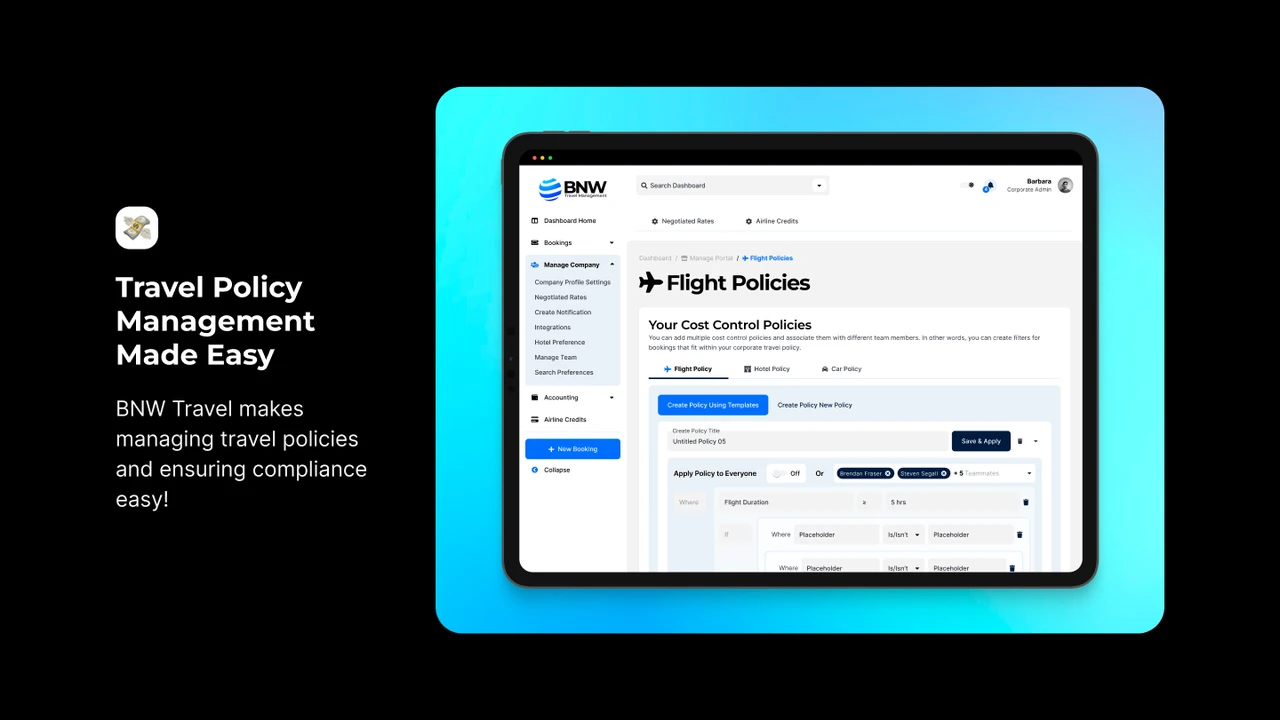
These are your all-in-one solutions. They allow you to set up different policies for different regions, manage expenses in multiple currencies, and often integrate with local booking tools. They provide a centralized system for approvals, reporting, and compliance.
* SAP Concur: A giant in the space, Concur offers highly customizable policy settings, multi-currency support, and integrations with numerous travel providers globally. You can set up different policy rules based on employee groups, locations, and even trip types. It's great for large enterprises with complex global needs. Pricing is typically subscription-based, varying significantly based on user count and modules. Expect to pay anywhere from $8-$50+ per user per month, plus implementation fees.
* TripActions (now Navan): Known for its user-friendly interface and AI-powered recommendations. Navan allows for granular policy control, real-time spend visibility, and offers a strong focus on employee experience. It's particularly good for companies looking to drive policy adoption through intuitive design. Pricing is generally custom, based on volume and features, but often includes a per-trip or per-user fee.
* Expensify: While primarily an expense management tool, Expensify offers robust policy enforcement features. You can set up rules for different categories, currencies, and even integrate with travel booking platforms. It's very popular with small to medium-sized businesses due to its ease of use and mobile-first approach. Pricing starts around $5 per user per month for basic features, scaling up for more advanced functionalities.
Global Distribution Systems GDS and Online Booking Tools OBTs
These are the backbone of travel booking. While not directly policy tools, they are crucial for implementing your localized policies by providing access to local inventory and pricing.
* Amadeus, Sabre, Travelport: These are the three major GDS providers. They connect travel agents and online booking tools to a vast network of airlines, hotels, car rentals, and more. Your OBT will likely be powered by one of these. They don't have direct pricing for end-users, as they are B2B platforms.
* Egencia (an Expedia Group company): A popular OBT for corporate travel. Egencia allows companies to configure policies within its platform, guiding employees to compliant bookings. It offers localized content and support. Pricing is typically transaction-based or subscription-based, depending on the volume of travel.
* TravelPerk: Focuses on providing a seamless booking experience with built-in policy enforcement. TravelPerk offers a wide range of inventory, including low-cost carriers, which can be crucial for cost-conscious regions. It's known for its 24/7 customer support. Pricing often includes a per-trip fee, with different tiers for premium features.
Risk Management and Duty of Care Platforms
These tools are essential for ensuring the safety and security of your travelers, especially in diverse global environments.
* International SOS: A leading provider of medical and security assistance services. They offer pre-travel advice, real-time alerts, and emergency response services globally. While not a policy tool itself, integrating their services into your localized policy is critical for duty of care. Pricing is typically enterprise-level, based on the scope of services and number of employees covered.
* Everbridge: A critical event management platform that can be used for mass notifications, incident management, and traveler tracking. It helps you locate and communicate with employees during emergencies. Pricing is custom, based on the modules and scale of deployment.
* WorldAware (now part of Everbridge): Provides intelligence and analysis on global risks, helping companies make informed decisions about travel to specific regions. Their insights can directly inform your localized safety protocols. Pricing is enterprise-level.
Localization Management Systems LMS and Translation Tools
While not directly for travel, these are vital for ensuring your policy documents are accurately translated and culturally adapted.
* Smartling, Phrase, Lokalise: These are professional localization platforms that help manage the translation process, ensuring consistency and quality across multiple languages. They can integrate with your document management systems. Pricing is typically subscription-based, varying by volume of content and features.
* DeepL, Google Translate (with caution): For quick, informal translations, these can be useful, but for official policy documents, always use professional human translators or a reputable LMS. Machine translation can miss nuances and cultural context, leading to misunderstandings.
Best Practices for Implementing Localized Travel Policies
So, you've got the tools, you understand the 'why.' Now, let's talk about the 'how.' Implementing localized policies isn't a one-time thing; it's an ongoing process.
Engage Local Stakeholders and Regional Teams
This is probably the most important step. You cannot localize effectively from headquarters alone. You need to involve your regional HR, finance, legal, and even local travel managers. They are the experts on the ground. They understand the local market, the cultural nuances, and the specific challenges. Conduct workshops, surveys, and one-on-one interviews to gather their insights. Their buy-in is crucial for successful adoption.
Start with a Pilot Program in Key Regions
Don't try to roll out localized policies everywhere at once. Pick a few key regions – perhaps one in Southeast Asia, one in Europe, and one in Latin America – and pilot your new localized policies there. This allows you to test your assumptions, identify unforeseen issues, and refine your approach before a broader rollout. Gather feedback from employees and managers in these pilot regions.
Provide Clear Communication and Training for Employees
Once your localized policies are ready, don't just send out an email and expect everyone to get it. Provide comprehensive training sessions, ideally in local languages. Use clear, concise language, and provide examples relevant to their region. Create FAQs, quick reference guides, and even short video tutorials. Make sure employees know where to find the policy, who to contact with questions, and how to use any new booking or expense tools.
Regularly Review and Update Localized Policies
The world changes, and so do local regulations, market conditions, and even cultural norms. Your localized policies shouldn't be set in stone. Schedule regular reviews – at least annually, or more frequently if there are significant changes in a region (e.g., new tax laws, major economic shifts, or political instability). Use data from your travel and expense platforms to identify trends, compliance issues, or areas where the policy might be too restrictive or too lenient. Gather feedback from employees and local managers continuously.
Leverage Technology for Policy Enforcement and Reporting
As we discussed, technology is your friend here. Use your integrated travel and expense platforms to automate policy enforcement. This means setting up rules that automatically flag out-of-policy bookings or expenses, requiring approvals, or even preventing non-compliant bookings altogether. The platforms should also provide robust reporting capabilities, allowing you to track compliance rates, identify spending patterns by region, and measure the effectiveness of your localized policies. This data is invaluable for continuous improvement.
Common Pitfalls to Avoid in Travel Policy Localization
Even with the best intentions, things can go wrong. Here are some common traps to steer clear of:
Over-Centralization vs Over-Localization
It's a balancing act. Too much centralization means your policy is rigid and doesn't adapt to local needs, leading to frustration and non-compliance. Too much localization, on the other hand, can lead to a fragmented policy landscape, making it difficult to maintain global oversight, leverage economies of scale, and ensure consistent duty of care. The sweet spot is a global framework with localized details.
Ignoring Local Tax and Legal Advice
This is a big one. Thinking you can apply US tax rules to your operations in Thailand or Vietnam is a recipe for disaster. Always, always, always consult with local tax and legal experts. They can advise on everything from VAT recovery to permanent establishment risks and local labor laws related to business travel.
Lack of Employee Buy-in and Communication
If your employees don't understand or don't agree with the localized policy, they won't follow it. It's that simple. Involve them in the process, explain the 'why' behind the changes, and make it easy for them to comply. Poor communication leads to confusion, frustration, and ultimately, a failed policy.
Failure to Adapt to Changing Market Conditions
The travel landscape is constantly evolving. New airlines emerge, hotel prices fluctuate, and new transportation options become available. If your localized policy isn't agile enough to adapt to these changes, it quickly becomes outdated and ineffective. Regular reviews and updates are non-negotiable.
Underestimating the Importance of Cultural Nuances
Culture isn't just about language; it's about values, communication styles, and social norms. A policy that doesn't respect these nuances can be seen as disrespectful or simply impractical. For example, expecting employees in some cultures to always book the cheapest flight might be seen as devaluing their time or status. Understanding these subtle differences is key to a policy that resonates locally.
The Future of Localized Travel Policies
Looking ahead, localized travel policies are only going to become more sophisticated. We'll see even greater integration of AI and machine learning to provide personalized policy recommendations based on individual traveler profiles and real-time local conditions. Imagine a system that automatically adjusts per diems based on the specific city an employee is visiting, or suggests culturally appropriate transportation options. Data analytics will play an even bigger role, allowing companies to fine-tune policies based on granular spending patterns and compliance rates in each region. The focus will continue to be on balancing cost control with employee well-being and safety, all while navigating an increasingly complex global landscape. The goal is to create a travel experience that feels seamless, safe, and respectful, no matter where your employees are in the world. It's about empowering your global workforce to travel effectively and efficiently, while ensuring your business remains compliant and financially sound. So, get ready to embrace the nuances, because localization isn't just a trend; it's the future of global business travel.

:max_bytes(150000):strip_icc()/277019-baked-pork-chops-with-cream-of-mushroom-soup-DDMFS-beauty-4x3-BG-7505-5762b731cf30447d9cbbbbbf387beafa.jpg)