Comparing Travel Policy Regulations in Asia Pacific
An overview of diverse regulatory landscapes affecting travel policies across various countries in the Asia Pacific region.
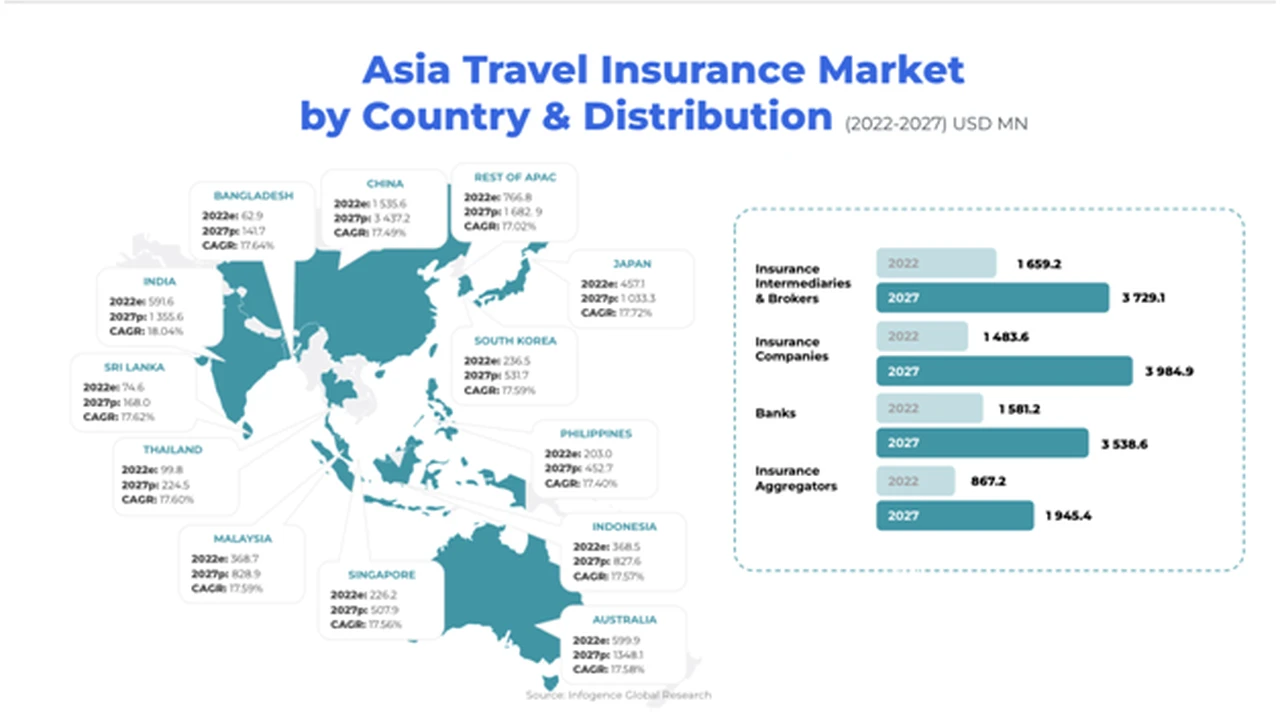
An overview of diverse regulatory landscapes affecting travel policies across various countries in the Asia Pacific region.
Comparing Travel Policy Regulations in Asia Pacific
Hey there! If you're running a business with operations or employees traveling across the Asia Pacific region, you know it's not a one-size-fits-all situation when it comes to travel policies. What flies in Singapore might not even get off the ground in Indonesia, and what's standard in Australia could be completely alien in Vietnam. This region is a vibrant tapestry of cultures, economies, and, yes, regulatory frameworks. So, let's dive deep into the diverse regulatory landscapes affecting travel policies across various countries in the Asia Pacific region. We'll look at some key differences, what you need to watch out for, and even some tools that can help you navigate this complex terrain.
Understanding Asia Pacific Travel Policy Nuances
The Asia Pacific (APAC) region is incredibly diverse, encompassing everything from highly developed economies like Australia, Japan, and Singapore to rapidly growing markets such as Vietnam, Indonesia, and the Philippines. This diversity means that travel policies need to be flexible and adaptable. You can't just copy-paste your US or European policy and expect it to work seamlessly here. Local laws, cultural norms, and even infrastructure can significantly impact how your travel policy is structured and enforced.
Key Regulatory Differences in APAC Travel Policies
Let's break down some of the major areas where you'll find significant differences:
Tax and Expense Regulations Travel Policy Compliance
This is a big one. Tax laws related to business travel expenses vary wildly. For instance, in some countries, certain per diems might be tax-exempt up to a certain limit, while in others, they might be fully taxable. Keeping track of what's deductible and what's not for both the company and the employee is crucial. For example:
- Australia: Generally, travel expenses incurred for business purposes are deductible, but strict record-keeping is required. Fringe Benefits Tax (FBT) can apply to certain non-cash benefits provided to employees, including some travel-related perks.
- Singapore: Business travel expenses are generally deductible if they are incurred wholly and exclusively in the production of income. There are clear guidelines on what constitutes a business expense.
- Indonesia: Tax regulations can be quite complex. Certain travel allowances might be considered taxable income for employees, and companies need to be diligent about withholding taxes.
- Vietnam: Similar to Indonesia, allowances and per diems can be subject to personal income tax. Companies need to ensure proper documentation for all expenses to claim corporate tax deductions.
Your travel policy needs to clearly define what expenses are covered, how they should be documented, and how they align with local tax laws to avoid penalties and ensure compliance.
Duty of Care and Employee Safety Travel Policy Guidelines
Duty of care is a global concept, but its legal interpretation and practical implementation can differ. In APAC, ensuring employee safety and well-being, especially in regions prone to natural disasters or political instability, is paramount. Your travel policy should clearly outline:
- Emergency contact procedures.
- Access to medical assistance and insurance.
- Protocols for travel to high-risk areas.
- Requirements for travel insurance coverage.
Some countries might have specific requirements for employers regarding employee safety during business travel. For example, in some parts of Southeast Asia, local authorities might require specific permits or notifications for foreign business travelers, especially for longer stays or certain industries.
Visa and Immigration Requirements Travel Policy Considerations
Navigating visas and immigration is a constant challenge in APAC. Each country has its own set of rules, and these can change frequently. Your travel policy must provide clear guidance on:
- Required visa types for different business activities (e.g., meetings, training, project work).
- Application processes and necessary documentation.
- Permitted length of stay.
- Consequences of overstaying or violating visa conditions.
For instance, a business visitor visa in Thailand might allow for short meetings but not for performing paid work, which would require a work permit. Failing to comply can lead to fines, deportation, and even blacklisting for future entry.
Local Cultural Norms and Business Practices Travel Policy Adaptation
While not strictly 'regulatory,' cultural norms significantly impact how your travel policy is perceived and adhered to. For example, in some cultures, hospitality is highly valued, and refusing certain gestures might be seen as rude. Your policy should be flexible enough to accommodate these nuances without compromising financial controls. This includes:
- Guidelines on gift-giving and receiving.
- Appropriate dress codes for business meetings.
- Understanding local dining etiquette.
A rigid policy that doesn't account for these can lead to awkward situations or even hinder business relationships.
Data Privacy and Security Travel Policy Compliance
With the rise of data privacy regulations like GDPR (which has extraterritorial reach) and local equivalents (e.g., Singapore's PDPA, Australia's Privacy Act), your travel policy needs to address how employee data is collected, stored, and transmitted, especially when using travel management platforms. This includes:
- Consent for data sharing with third-party vendors (airlines, hotels, TMCs).
- Security measures for protecting personal and financial data.
- Data retention policies.
Tools and Platforms for APAC Travel Policy Management
Managing these complexities manually is a nightmare. Thankfully, technology can be a huge help. Here are some types of tools and specific platforms that can assist you in navigating APAC travel policy regulations:
Integrated Travel and Expense Management Platforms Travel Policy Solutions
These platforms combine booking, expense reporting, and policy enforcement into one system. They are invaluable for ensuring compliance across diverse regions.
SAP Concur Travel Policy Automation
Overview: SAP Concur is a global leader in integrated travel, expense, and invoice management. It's highly configurable, making it suitable for complex multi-country operations. It allows you to set up granular policy rules based on location, employee level, and expense type. Key Features for APAC:
- Localized Policy Enforcement: You can create specific policy rules for different countries or regions within APAC, accounting for local per diems, expense categories, and approval workflows.
- Tax Compliance Features: Concur can be configured to handle various tax requirements, including VAT/GST recovery, and can integrate with local tax engines.
- Duty of Care Integration: Offers robust risk management features, including traveler tracking, alerts for high-risk areas, and integration with security providers.
- Mobile App: Excellent mobile experience for on-the-go expense capture and approvals, crucial for busy travelers in APAC.
TripActions Navigating APAC Travel Policies
Overview: Now known as Navan, TripActions offers a modern, user-friendly platform that combines corporate travel management with expense management. It focuses heavily on providing a consumer-grade booking experience while maintaining corporate control. Key Features for APAC:
- Dynamic Policy Engine: Allows for highly flexible policy settings that can adapt to regional nuances, including preferred vendors and spending limits.
- Real-time Data and Insights: Provides powerful analytics to track spending patterns across different APAC markets, helping identify areas for cost savings and policy adjustments.
- Global Inventory: Access to a vast global inventory of flights, hotels, and ground transportation, including local APAC suppliers.
- 24/7 Support: Offers global support, which is critical for travelers crossing multiple time zones in APAC.
TravelPerk Streamlining APAC Business Travel
Overview: TravelPerk is known for its user-friendly interface and extensive inventory, including low-cost carriers often used in APAC. It emphasizes flexibility and a seamless booking experience. Key Features for APAC:
- Comprehensive Inventory: Strong coverage of APAC airlines and hotels, including budget options that are popular in the region.
- FlexiPerk: A unique feature allowing users to cancel trips and get at least 80% of their money back, offering flexibility crucial in a dynamic region.
- Policy Customization: Allows companies to set up detailed travel policies with spending limits, preferred vendors, and approval flows tailored to specific regions or departments.
- VAT Recovery: Offers services to help businesses recover VAT on international travel expenses, which can be complex in APAC.
Specialized Compliance and Risk Management Tools Travel Policy Support
Beyond general travel management, some tools focus specifically on compliance and risk.
International SOS Global Travel Risk Management
Overview: While not a booking platform, International SOS is a global leader in medical and security assistance and risk management. They provide invaluable intelligence and support for duty of care. Key Features for APAC:
- Real-time Alerts: Provides alerts on security threats, natural disasters, and health risks specific to APAC locations.
- Medical and Security Assistance: Offers 24/7 access to medical and security professionals, crucial for travelers in remote or high-risk areas.
- Traveler Tracking: Helps companies locate and communicate with employees during emergencies.
- Pre-travel Advice: Provides country-specific health and security briefings.
WorldAware (now Everbridge) Critical Event Management
Overview: WorldAware provides intelligence and solutions for managing global risks and critical events. Their platform helps organizations protect their people and assets. Key Features for APAC:
- Threat Intelligence: Delivers localized threat intelligence for APAC, covering political instability, crime, health, and natural disasters.
- Mass Notification: Enables rapid communication with travelers during emergencies.
- Traveler Tracking and Monitoring: Integrates with travel data to monitor employee locations and provide proactive alerts.
Practical Tips for Crafting APAC Travel Policies
Beyond the tools, here are some practical tips for making your travel policy work in APAC:
Localize Your Travel Policy Language and Tone
Don't just translate your policy; localize it. Use language that resonates with local employees and addresses their specific concerns. A policy written in a very direct, Western style might be perceived differently in more hierarchical or indirect communication cultures.
Engage Local Stakeholders for Policy Development
Involve your local HR, finance, and legal teams in each APAC country when developing or revising your travel policy. They understand the local nuances, regulations, and cultural expectations far better than a centralized team. Their input is invaluable for ensuring compliance and acceptance.
Regularly Review and Update Travel Policy Regulations
The regulatory landscape in APAC is dynamic. Tax laws change, immigration rules are updated, and new risks emerge. Schedule regular reviews (at least annually, or more frequently if there are significant changes) to ensure your policy remains current and compliant.
Provide Clear Communication and Training for Travel Policies
It's not enough to just publish a policy. Employees need to understand it. Provide clear, concise communication about the policy, and offer training sessions, especially for new hires or when significant changes are made. Use examples relevant to their local context.
Embrace Flexibility in Travel Policy Implementation
While consistency is good, rigidity can be detrimental. Build in some flexibility for exceptions, especially in a region as diverse as APAC. Acknowledge that unforeseen circumstances can arise and have a clear process for policy exceptions and approvals.
Leverage Technology for Travel Policy Enforcement and Reporting
As discussed, technology is your best friend here. Use integrated travel and expense platforms to automate policy enforcement, streamline approvals, and generate detailed reports. This not only saves time but also provides valuable data for continuous improvement and compliance audits.
Navigating the diverse regulatory landscapes of the Asia Pacific region for your travel policies is a significant undertaking, but it's entirely manageable with the right approach and the right tools. By understanding the key differences in tax, duty of care, immigration, and cultural norms, and by leveraging powerful platforms like SAP Concur, TripActions (Navan), and TravelPerk, you can create a travel policy that is both compliant and supportive of your business goals across this dynamic region. Remember, it's all about being informed, adaptable, and leveraging technology to your advantage. Happy travels!
:max_bytes(150000):strip_icc()/277019-baked-pork-chops-with-cream-of-mushroom-soup-DDMFS-beauty-4x3-BG-7505-5762b731cf30447d9cbbbbbf387beafa.jpg)