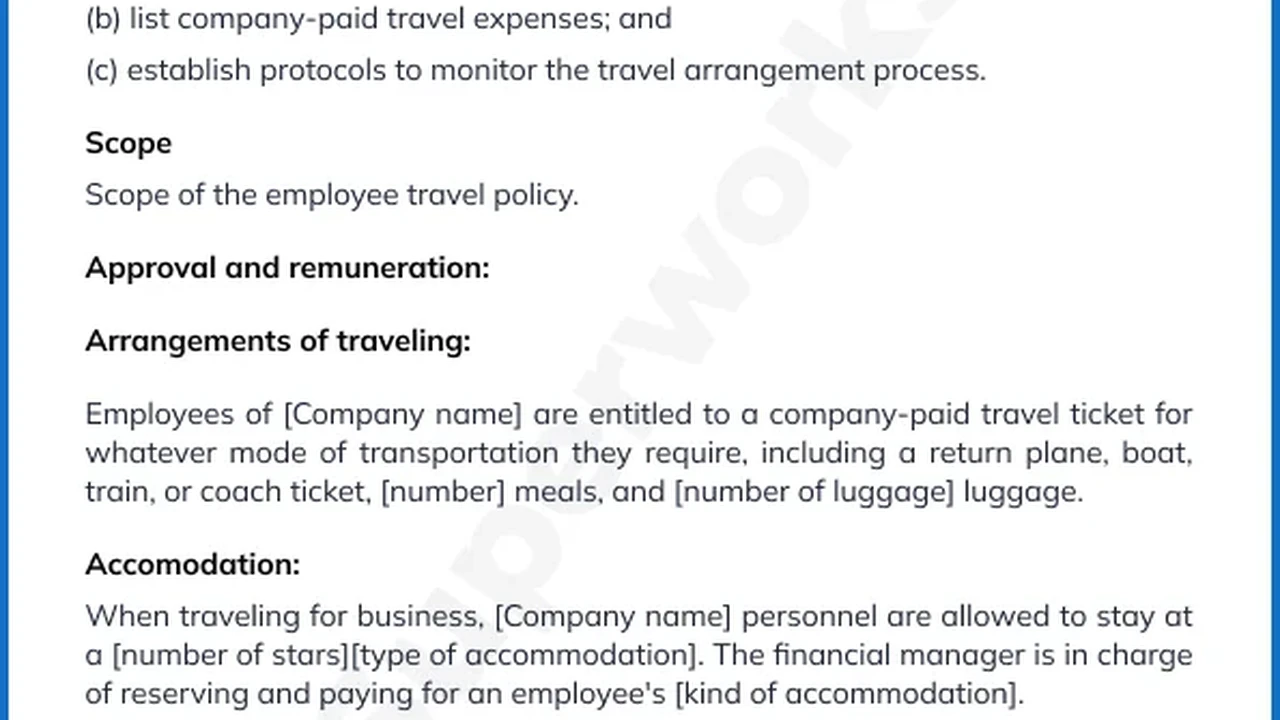
Travel Policy and API Integrations
The power of API integrations in connecting various travel platforms to your core travel policy system.
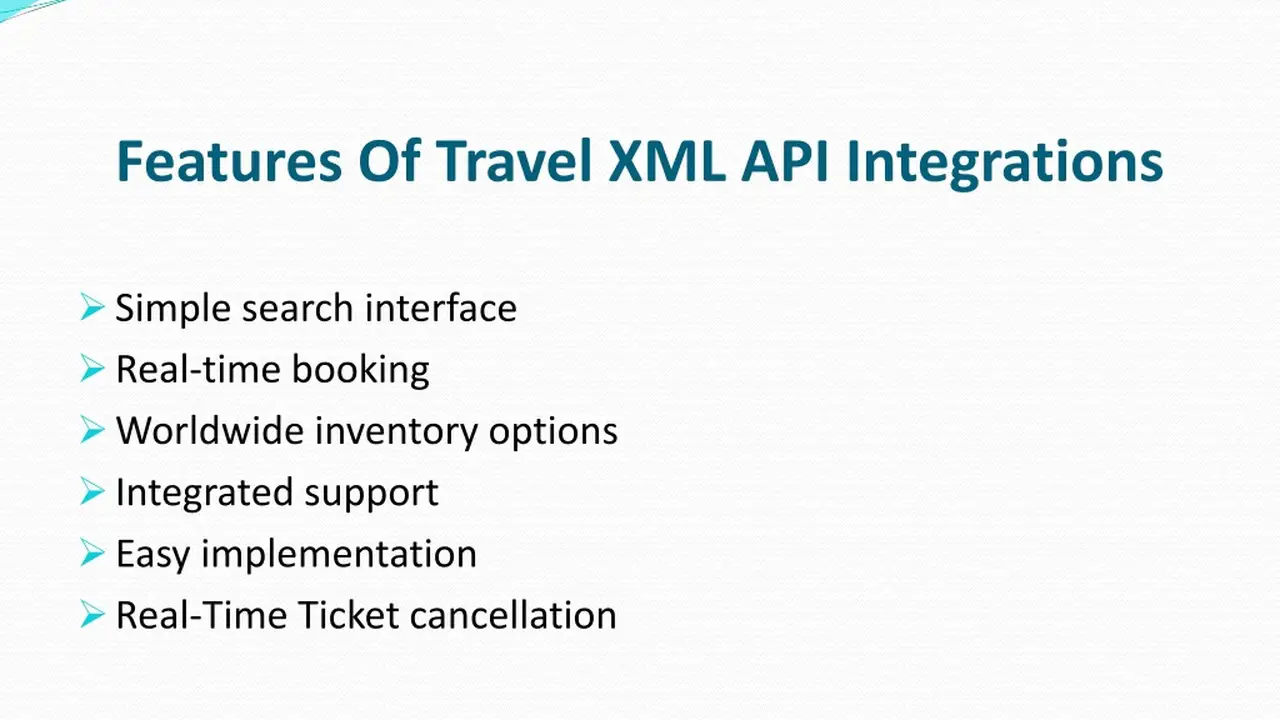
The power of API integrations in connecting various travel platforms to your core travel policy system. This article dives deep into how Application Programming Interfaces (APIs) are revolutionizing corporate travel management, making your travel policy not just a document, but a dynamic, interconnected system. We'll explore the benefits, use cases, and even some specific products that leverage APIs to streamline your travel operations.
Understanding API Integrations for Travel Management
So, what exactly are APIs in the context of travel policy? Think of an API as a digital bridge. It allows different software applications to talk to each other, share data, and perform actions seamlessly. In corporate travel, this means your travel policy system can 'talk' to your online booking tool, your expense management software, your HR system, and even external data sources like real-time flight information or risk assessment platforms. This interconnectedness is what transforms a static travel policy into a living, breathing ecosystem that enforces rules, captures data, and optimizes spending automatically.
Before APIs, managing corporate travel was often a fragmented mess. Employees would book flights on one platform, hotels on another, submit expenses manually, and then someone in finance would have to painstakingly reconcile all of it against the company's travel policy. This led to policy leakage, errors, and a whole lot of wasted time. APIs change all that by automating these connections, ensuring that policy rules are applied at the point of booking, expenses are captured accurately, and data flows effortlessly between systems.
Key Benefits of API Driven Travel Policy
Why should you care about API integrations for your travel policy? The benefits are pretty massive, touching everything from cost control to employee satisfaction.
Enhanced Policy Compliance and Enforcement
This is probably the biggest win. With APIs, your travel policy isn't just a set of guidelines; it's embedded directly into the booking and expense process. For example, if your policy states that economy class is required for flights under six hours, an API can ensure that your online booking tool only displays economy options for those flights. If an employee tries to book outside policy, the system can flag it immediately, require an approval, or even prevent the booking altogether. This real-time enforcement drastically reduces out-of-policy spending and eliminates the need for manual checks.
Streamlined Workflows and Operational Efficiency
Imagine a world where booking a trip automatically creates an expense report, pre-populates traveler data, and notifies the relevant managers for approval. That's the power of APIs. They eliminate manual data entry, reduce administrative burden, and speed up the entire travel lifecycle. This means your travel managers can focus on strategic initiatives rather than chasing down receipts, and employees spend less time on paperwork and more time on their actual jobs.
Improved Data Accuracy and Reporting
When systems are connected via APIs, data flows directly from source to destination, minimizing human error. This leads to much cleaner, more accurate data for reporting and analysis. You can get a holistic view of your travel spending, identify trends, and make data-driven decisions to optimize your travel program. Want to know how much you spent on hotels in Singapore last quarter? An API-integrated system can tell you in seconds.
Better Traveler Experience and Satisfaction
Let's be honest, no one loves dealing with clunky, disconnected systems. APIs create a more seamless and intuitive experience for your travelers. They can book within policy easily, submit expenses with minimal effort, and get quick approvals. This reduces frustration and makes business travel less of a chore, ultimately contributing to higher employee satisfaction and retention.
Enhanced Duty of Care and Risk Management
APIs can connect your travel system to real-time risk intelligence platforms. If there's a natural disaster or political unrest in a destination where your employees are traveling, the system can automatically identify affected travelers, send alerts, and even initiate emergency response protocols. This proactive approach to duty of care is invaluable for ensuring the safety and well-being of your employees.
Common Use Cases for API Integrations in Travel
APIs can connect a wide array of systems to enhance your travel policy. Here are some of the most common and impactful integrations:
Online Booking Tools OBTs Integration
This is perhaps the most fundamental integration. Your OBT (like Concur Travel, Egencia, or TripActions) needs to 'know' your travel policy. APIs allow the OBT to pull policy rules directly from your travel management platform, ensuring that only in-policy options are presented to the traveler, or that out-of-policy bookings trigger the correct approval workflows. This is where real-time policy enforcement happens.
Expense Management System Integration
Once a trip is booked and completed, the expenses need to be captured and reconciled. APIs connect your OBT and travel management platform to your expense management system (like Expensify, SAP Concur Expense, or Rydoo). This means flight and hotel bookings can automatically generate pre-populated expense lines, and receipts can be digitally attached. Policy violations (e.g., exceeding meal allowances) can be flagged instantly, making expense reporting and auditing much faster and more accurate.
HR and Payroll System Integration
Integrating with HR systems (like Workday, BambooHR, or SAP SuccessFactors) allows for automatic syncing of employee data. When a new employee joins, their profile is created in the travel system. When an employee leaves, their access is revoked. This ensures that your travel policy applies to the correct, up-to-date employee roster and simplifies user management. Payroll integration can facilitate direct reimbursement of approved expenses.
ERP and Accounting System Integration
For financial reconciliation and general ledger posting, integrating with your ERP (like SAP, Oracle, or NetSuite) or accounting software (like QuickBooks, Xero) is crucial. APIs enable the automatic transfer of approved travel expenses and cost center allocations, eliminating manual journal entries and ensuring financial accuracy. This provides a clear, real-time picture of your travel spend against your budget.
Risk Management and Duty of Care Platforms Integration
Connecting with specialized risk management platforms (like International SOS, WorldAware, or Anvil Group) allows for real-time traveler tracking and alerts. If a crisis occurs, the risk platform can pull traveler itineraries from your travel system via API, identify those in affected areas, and trigger emergency communications or assistance. This is a critical component of modern duty of care responsibilities.
Supplier and Vendor Integrations
APIs can also facilitate direct connections with airlines, hotels, and ground transportation providers. This can enable direct bookings, access to corporate rates, and real-time inventory updates, all while adhering to your travel policy. For example, an API might allow your system to directly query a hotel chain's corporate rates and display them within your OBT, ensuring policy compliance and preferred vendor usage.
Specific Products and Their API Capabilities
Many leading travel and expense management platforms are built with robust API capabilities. Here are a few examples and how they leverage APIs:
SAP Concur
SAP Concur is a giant in the travel and expense space, and its API ecosystem is extensive. Concur offers a comprehensive set of APIs that allow integration with virtually any third-party system. Their 'App Center' showcases numerous pre-built integrations, but their open APIs mean you can build custom connections too. For example, you can use Concur's APIs to:
- Integrate with HRIS: Automatically sync employee profiles, departments, and cost centers.
- Connect to ERP/Accounting: Push approved expense reports and invoices directly into your financial system.
- Link to OBTs: Ensure policy compliance from booking through expense.
- Access Travel Data: Pull detailed travel and expense data for custom analytics and reporting tools.
Use Case: A large multinational company uses Concur. They integrate Concur's APIs with their Workday HR system to automatically onboard new employees into Concur and assign them to the correct travel policy groups. They also integrate with their SAP ERP to push all approved expense reports directly into their general ledger, eliminating manual data entry for finance. This ensures policy adherence from the moment an employee is hired to the final financial reconciliation.
Pricing: Concur's pricing is typically subscription-based, often per user per month, and can vary significantly based on the modules chosen (Travel, Expense, Invoice) and the size of the organization. API access might be included in higher-tier plans or as an add-on. Expect to pay anywhere from $8-$50+ per user per month, with enterprise solutions being custom quoted.
TripActions (now Navan)
TripActions, recently rebranded as Navan, prides itself on its modern, user-friendly platform and strong integration capabilities. They offer a suite of APIs designed to connect their platform with your existing business systems. Their focus is on providing a seamless, end-to-end experience for travelers and administrators.
- HRIS Sync: Automate employee data management.
- Expense Management: Integrate with popular expense tools or use Navan's built-in expense solution.
- SSO Integration: Connect with your Single Sign-On provider for secure and easy access.
- Custom Reporting: Pull raw data for advanced analytics in your BI tools.
Use Case: A tech startup uses Navan for its travel and expense management. They leverage Navan's APIs to integrate with their Okta SSO for seamless employee login and with their Expensify account. When an employee books a flight on Navan, the booking details are automatically pushed to Expensify, creating a pre-filled expense report. This ensures that all travel spending is captured and categorized correctly, adhering to their travel policy from the outset.
Pricing: Navan's pricing is also subscription-based, often per active user per month, and can include transaction fees. They offer different tiers based on features and support. Pricing can range from $15-$75+ per user per month, depending on the scale and specific needs.
Egencia
Egencia, an Expedia Group company, offers a global travel management platform with strong integration capabilities, particularly for larger enterprises. They provide APIs to connect their platform with various internal and external systems, focusing on data exchange and workflow automation.
- Data Feeds: Export travel data for integration with data warehouses or BI tools.
- HR System Integration: Sync employee data for accurate profiles and policy application.
- Expense System Integration: Streamline expense reporting by pushing booking data.
- SSO and Identity Management: Securely manage user access.
Use Case: A manufacturing company with offices worldwide uses Egencia. They utilize Egencia's APIs to feed all travel booking data into their internal data warehouse. This allows their finance team to run custom reports, analyze spending patterns by region and department, and ensure compliance with their global travel policy, identifying areas for cost optimization.
Pricing: Egencia's pricing is typically tailored to the client's volume and specific requirements, often involving a combination of subscription fees and transaction fees. It's generally geared towards mid-market to enterprise clients, so expect custom quotes rather than public pricing.
Expensify
While primarily an expense management tool, Expensify has robust API capabilities that make it an excellent partner for travel policy enforcement, especially when integrated with booking tools. Their focus is on automating expense reporting and reconciliation.
- Booking Tool Integration: Pull booking data from OBTs to pre-fill expense reports.
- Accounting Software Integration: Push approved expenses to QuickBooks, Xero, NetSuite, etc.
- HRIS Integration: Sync employee data for user management.
- Custom Workflows: Automate approval flows based on policy rules.
Use Case: A small business uses a simple online booking tool for flights and Expensify for expenses. They use Expensify's APIs to connect the booking tool so that when a flight is booked, a draft expense report is automatically created in Expensify. This ensures that all travel-related expenses are captured and routed for approval according to their travel policy, even for a lean setup.
Pricing: Expensify offers various plans, including a free plan for individuals and paid plans for teams and companies. Team plans start around $5-$9 per active user per month, with enterprise solutions having custom pricing. API access is generally available on their paid plans.
Implementing API Integrations for Your Travel Policy
So, you're convinced about the power of APIs. How do you go about implementing them?
Assess Your Current Ecosystem and Needs
Before diving in, take stock of your existing systems: your HRIS, accounting software, any current booking tools, and your expense management solution. Identify the gaps and pain points. What data do you need to flow where? What manual processes can be automated? This assessment will help you prioritize which integrations will deliver the most value.
Choose Platforms with Robust API Capabilities
When selecting new travel management or expense software, always inquire about their API documentation, available integrations, and developer support. A platform with a well-documented, open API is much more flexible and future-proof. Look for platforms that offer both pre-built integrations (for common systems) and the ability to build custom connections.
Plan Your Integration Strategy
This isn't just a technical task; it's a strategic one. Involve stakeholders from finance, HR, IT, and travel management. Define clear objectives for each integration. Will it be real-time or batch processing? What data fields need to be mapped? How will errors be handled? A clear plan prevents headaches down the road.
Consider Security and Data Privacy
When data is flowing between systems, security is paramount. Ensure that any APIs you use or build adhere to strict security protocols (e.g., OAuth 2.0 for authentication, encryption for data in transit). Understand where your data resides and ensure compliance with relevant data privacy regulations like GDPR or CCPA.
Test Thoroughly
Before going live, rigorously test all integrations. Run various scenarios, including in-policy bookings, out-of-policy requests, cancellations, and expense submissions. Verify that data is flowing correctly, approvals are triggered as expected, and financial records are accurate. A phased rollout can also be beneficial.
Monitor and Optimize
Once live, continuously monitor your integrations. Are they performing as expected? Are there any errors? As your travel policy evolves or your business needs change, you may need to adjust or add new integrations. APIs provide the flexibility to adapt and optimize your travel program over time.
The Future of Travel Policy and APIs
The trend towards interconnectedness in corporate travel is only going to accelerate. We'll see even more sophisticated uses of APIs, including:
- AI and Machine Learning Integration: APIs will allow AI models to analyze travel patterns, predict costs, and even suggest policy adjustments in real-time.
- Personalized Policy Enforcement: Policies could become even more dynamic, adapting based on individual traveler profiles, loyalty statuses, or even real-time risk assessments.
- Blockchain for Transparency: While still nascent, blockchain could use APIs to provide immutable records of travel transactions, enhancing transparency and trust.
- Direct Supplier Connections: More direct API connections with airlines, hotels, and car rental companies, bypassing traditional intermediaries for potentially better rates and more control.
Ultimately, APIs are transforming travel policy from a static rulebook into a dynamic, intelligent system that works tirelessly in the background to ensure compliance, control costs, and provide a better experience for your travelers. Embracing API integrations isn't just about efficiency; it's about building a future-proof travel program that can adapt to the ever-changing landscape of business travel.
:max_bytes(150000):strip_icc()/277019-baked-pork-chops-with-cream-of-mushroom-soup-DDMFS-beauty-4x3-BG-7505-5762b731cf30447d9cbbbbbf387beafa.jpg)