Travel Policy for Automated Approval Workflows
Streamlining the travel approval process through automated workflows defined by your travel policy.
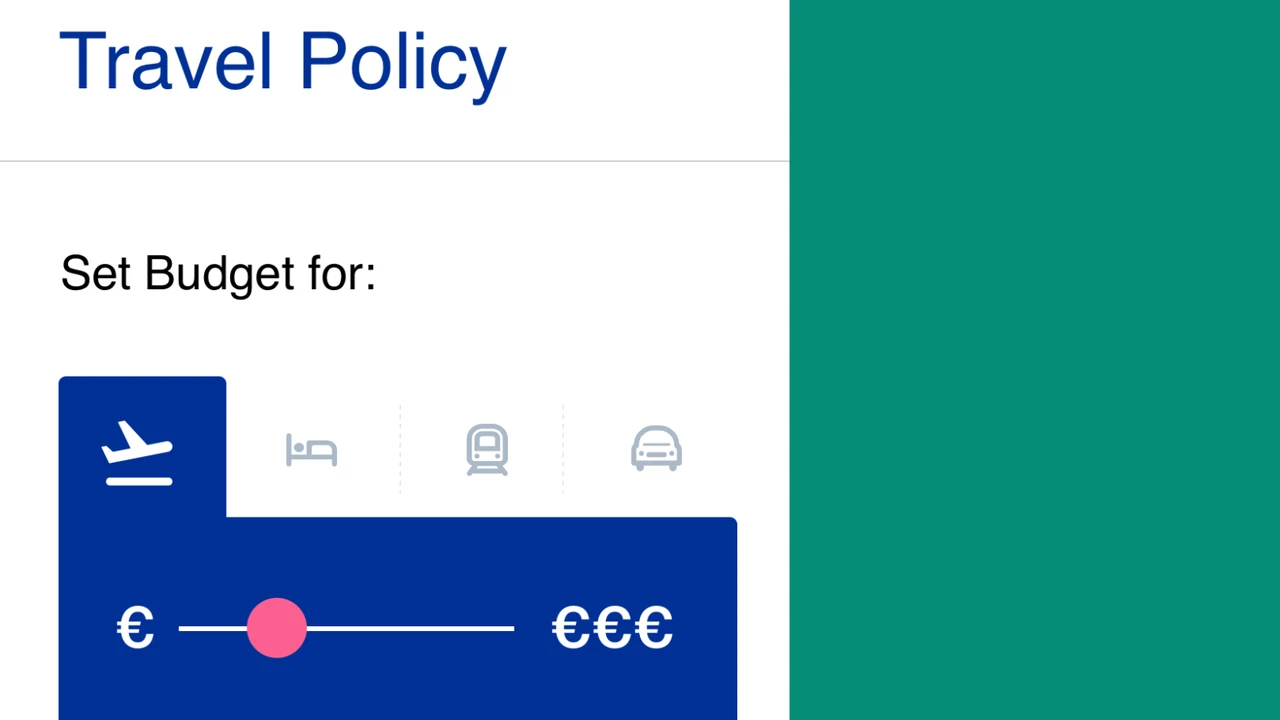
Streamlining the travel approval process through automated workflows defined by your travel policy.
The Power of Automated Approval Workflows in Travel Policy
Let's face it, managing business travel can be a real headache. From endless email chains to chasing down signatures, the traditional travel approval process is often a bottleneck. But what if I told you there's a better way? Automated approval workflows, defined by your travel policy, are revolutionizing how companies manage business trips. They're not just about speed; they're about compliance, cost control, and giving your employees a smoother experience.
Think about it: every time an employee needs to book a flight or a hotel, it typically requires approval from their manager, maybe a department head, and sometimes even finance. This manual process is prone to errors, delays, and can lead to out-of-policy bookings. Automated workflows, on the other hand, take your pre-defined travel policy rules and apply them automatically. If a booking request falls within policy, it gets approved instantly. If it's out of policy, it gets flagged for review by the appropriate person, with clear reasons why. This means less back-and-forth, fewer exceptions, and more time for everyone to focus on their actual jobs.
Key Benefits of Automated Travel Approval Systems
Enhanced Compliance and Policy Adherence
One of the biggest wins with automated workflows is compliance. Your travel policy isn't just a document; it's a set of rules designed to save money and ensure employee safety. Automation ensures these rules are actually followed. No more 'I didn't know' excuses. The system checks every booking against your policy parameters – preferred vendors, class of travel, spending limits, advance booking requirements – before it even reaches an approver. This drastically reduces out-of-policy spending and strengthens your overall travel program.
Significant Time and Cost Savings
Time is money, right? Manual approvals eat up valuable time for both employees and managers. Automated systems can cut approval times from days to minutes. This efficiency translates directly into cost savings. Faster approvals mean employees can book flights and hotels earlier, often securing better rates. It also frees up your administrative staff from chasing approvals, allowing them to focus on more strategic tasks. Plus, by enforcing policy automatically, you prevent costly exceptions and rogue spending before they happen.
Improved Employee Experience and Productivity
Nobody likes waiting. A slow approval process can be frustrating for employees, especially when they're trying to plan a critical business trip. Automated workflows provide instant feedback and quick approvals, making the booking process much smoother and less stressful. This improved experience can boost employee morale and productivity, as they spend less time on administrative tasks and more time on their core responsibilities. It also gives them more autonomy within the defined policy, empowering them to make smart choices.
Greater Transparency and Auditability
With automated workflows, every step of the approval process is logged and auditable. You have a clear digital trail of who approved what, when, and why. This transparency is invaluable for financial reporting, internal audits, and identifying areas for policy refinement. It also helps in resolving any disputes or questions about travel expenses, providing a single source of truth for all travel-related decisions.
Comparing Top Automated Travel Approval Software Solutions
So, you're convinced automated workflows are the way to go. But which platform should you choose? The market is full of options, each with its own strengths. Here's a look at some of the leading players and what makes them stand out, along with typical pricing models.
SAP Concur Travel and Expense
Overview: SAP Concur is a giant in the travel and expense management space, offering a comprehensive suite of tools that includes robust automated approval workflows. It's highly scalable and suitable for businesses of all sizes, from mid-market to large enterprises. Concur's strength lies in its deep integration capabilities with various ERP systems and its extensive global reach.
Key Features for Automation:
- Configurable Workflow Engine: Allows you to set up multi-level approval flows based on department, cost center, project, travel type, and spending limits.
- Policy Enforcement: Automatically flags out-of-policy bookings and routes them to the appropriate approver with clear violation details.
- Mobile Approvals: Managers can approve or reject requests on the go via the Concur mobile app.
- Integration: Seamlessly integrates with Concur Expense for a unified travel and expense management experience.
Pricing: Concur typically uses a subscription-based model, often priced per user per month, or based on transaction volume. For a mid-sized company (e.g., 200-500 employees), expect to pay anywhere from $8 to $25 per user per month, depending on the modules and features selected. Enterprise-level pricing is custom quoted.
TripActions (now Navan)
Overview: TripActions, recently rebranded as Navan, is known for its modern, user-friendly interface and focus on employee experience. It combines a corporate travel booking platform with expense management and automated policy enforcement. Navan leverages AI and machine learning to personalize travel options and optimize policy adherence.
Key Features for Automation:
- AI-Powered Policy Engine: Automatically applies policy rules at the point of booking, guiding employees towards in-policy options.
- Dynamic Approvals: Approval workflows can be set up to be dynamic, adjusting based on the trip's cost, destination, or traveler's role.
- Real-time Notifications: Instant alerts for out-of-policy bookings or pending approvals.
- Integrated Expense Management: Approvals flow seamlessly from booking to expense reporting.
Pricing: Navan's pricing is generally subscription-based, often per active user per month, with different tiers based on features. For a company with 100-300 travelers, expect to see prices ranging from $10 to $30 per user per month, with enterprise solutions requiring custom quotes.
TravelPerk
Overview: TravelPerk positions itself as a comprehensive business travel platform with a strong emphasis on flexibility, 24/7 support, and automated policy enforcement. It's particularly popular among fast-growing companies and those with a significant international presence, offering a wide range of inventory and a focus on duty of care.
Key Features for Automation:
- Customizable Approval Flows: Set up multi-step approval processes based on various criteria like budget, department, or destination.
- Policy Guardrails: Automatically guide employees to in-policy options and flag non-compliant choices before booking.
- FlexiPerk: An add-on that allows for cancellations with a high refund rate, which can be integrated into policy.
- Integrated Invoicing and Reporting: Streamlined financial processes with automated data capture.
Pricing: TravelPerk offers a tiered pricing model, including a free basic plan (with transaction fees) and paid plans (Premium, Pro, Enterprise) that offer more features and lower transaction fees. Paid plans typically start around $15-20 per user per month for smaller teams, scaling up for larger organizations.
Rydoo
Overview: Rydoo focuses on simplifying expense and travel management through a user-friendly mobile-first approach. While often highlighted for its expense capabilities, it also offers robust travel booking and automated approval workflows, aiming to reduce administrative burden.
Key Features for Automation:
- Smart Approval Workflows: Configure rules based on spending limits, categories, and departments.
- Policy Compliance Checks: Automated checks against pre-defined travel policies at the point of booking and expense submission.
- Mobile-First Design: Easy approvals and expense submissions via a highly intuitive mobile app.
- Real-time Data: Provides immediate insights into spending and compliance.
Pricing: Rydoo typically offers subscription plans based on the number of active users, with different tiers for features. Expect to pay in the range of $7 to $15 per user per month, with custom pricing for larger enterprises.
Egencia (an Expedia Group Company)
Overview: Egencia combines the power of Expedia's travel inventory with a dedicated corporate travel management platform. It offers a comprehensive solution for booking, policy enforcement, and reporting, backed by global support and a strong focus on traveler satisfaction.
Key Features for Automation:
- Policy-Driven Booking: Guides travelers to in-policy options and flags exceptions directly within the booking tool.
- Customizable Approval Rules: Set up multi-level approval workflows based on various criteria, including cost, destination, and traveler group.
- Integrated Reporting: Provides detailed insights into policy compliance and spending patterns.
- Global Support: 24/7 traveler support, which can be crucial for international travel.
Pricing: Egencia's pricing is typically custom, based on the volume of travel, number of users, and specific services required. It generally operates on a transaction fee model combined with a management fee, which can vary significantly based on the client's size and needs.
Implementing Automated Workflows Best Practices
Define Clear Travel Policy Rules
Before you even think about automation, your travel policy needs to be crystal clear. Ambiguity is the enemy of automation. Define precise rules for everything: preferred airlines and hotels, class of travel, spending limits for meals and accommodation, advance booking requirements, and exception processes. The more specific your policy, the more effectively it can be automated.
Communicate and Train Employees Effectively
Even the best automated system won't work if your employees don't understand it. Roll out the new system with clear communication. Explain the benefits for them (faster approvals, less hassle) and provide comprehensive training. Show them how to use the booking tool, how the approval process works, and what happens if they book out of policy. Ongoing support and FAQs are also crucial.
Start Simple and Iterate
Don't try to automate everything at once. Start with the most common travel scenarios and approval flows. Get that working smoothly, gather feedback, and then gradually add more complex rules and exceptions. This iterative approach allows you to fine-tune your system and avoid overwhelming your team.
Regularly Review and Optimize Workflows
Your business needs evolve, and so should your travel policy and its automated workflows. Regularly review your approval processes. Are there bottlenecks? Are too many exceptions being flagged? Is the policy still relevant? Use the data from your travel management platform to identify areas for optimization and make adjustments as needed. This continuous improvement ensures your automated system remains efficient and effective.
The Future of Travel Approvals Smart and Seamless
Automated approval workflows are no longer a luxury; they're a necessity for modern business travel. They transform a historically cumbersome process into a streamlined, efficient, and compliant operation. By leveraging these smart systems, companies can save significant time and money, empower their employees, and gain unprecedented visibility into their travel spending. The future of business travel is smart, seamless, and driven by intelligent automation.
:max_bytes(150000):strip_icc()/277019-baked-pork-chops-with-cream-of-mushroom-soup-DDMFS-beauty-4x3-BG-7505-5762b731cf30447d9cbbbbbf387beafa.jpg)