Travel Policy for Cultural Sensitivity Training
The importance of cultural sensitivity training for employees traveling internationally, supported by policy.
The importance of cultural sensitivity training for employees traveling internationally, supported by policy.
Travel Policy for Cultural Sensitivity Training
Understanding Cultural Sensitivity Why It Matters for Business Travel
Hey there, business traveler! Ever found yourself in a new country, scratching your head, wondering why things are done so differently? Or maybe you've accidentally committed a social faux pas that left you red-faced? It happens to the best of us, especially when navigating the complex world of international business. That's where cultural sensitivity training comes in, and why it's absolutely crucial for your company's travel policy. It's not just about being polite; it's about effective communication, building strong relationships, and ultimately, achieving your business goals abroad. Think about it: a handshake in one culture might be a bow in another, direct eye contact can be a sign of respect or aggression, and even the way you present a business card can make or break a deal. Without proper understanding, you could inadvertently offend a potential client, misinterpret a negotiation, or even jeopardize a partnership. This isn't just about avoiding awkward moments; it's about ensuring your team is equipped to succeed in diverse global environments. A well-integrated cultural sensitivity component in your travel policy demonstrates that your company values its international relationships and invests in its employees' ability to thrive globally. It also mitigates risks, from minor misunderstandings to significant diplomatic incidents, ensuring smoother operations and a better return on your international travel investments.
Key Components of Effective Cultural Sensitivity Training for Global Travelers
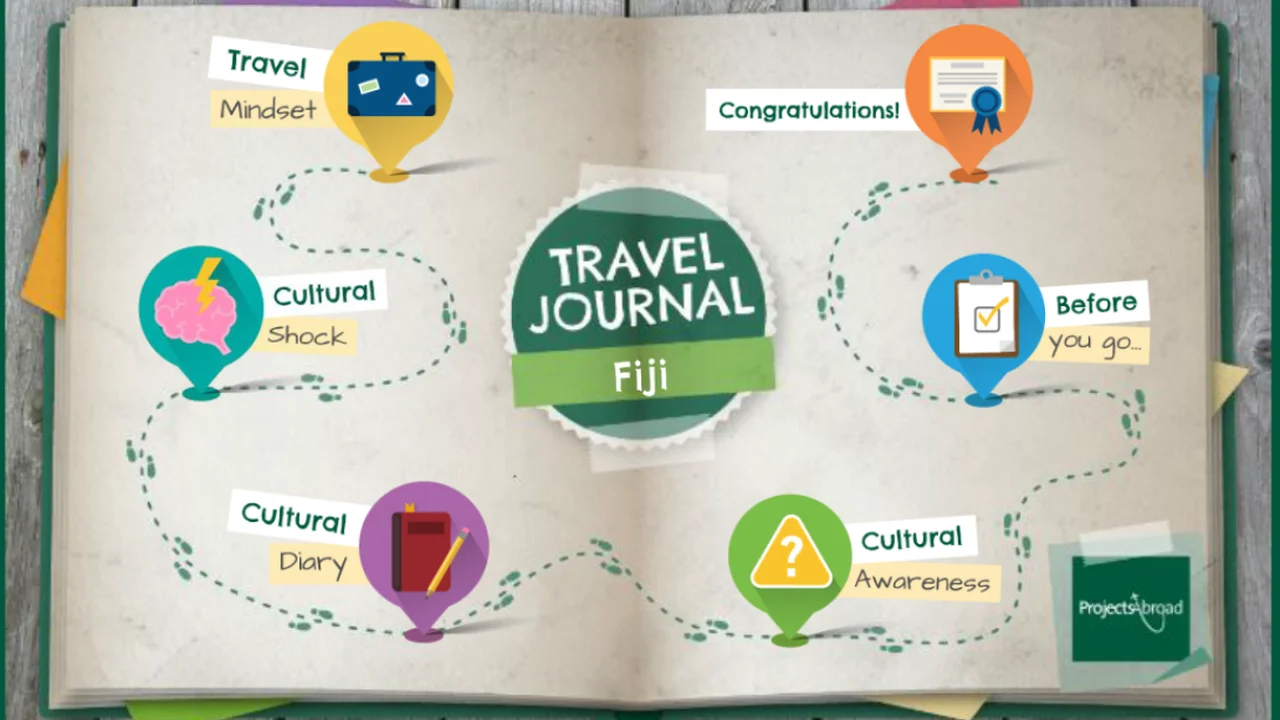
So, what exactly goes into good cultural sensitivity training? It's more than just a quick PowerPoint presentation. Effective training should cover a range of topics, providing both theoretical knowledge and practical skills. First off, you need to understand the concept of cultural dimensions. Think Hofstede's cultural dimensions theory – things like power distance, individualism vs. collectivism, masculinity vs. femininity, uncertainty avoidance, and long-term orientation. Understanding these broad frameworks helps you anticipate differences in communication styles, decision-making processes, and workplace hierarchies. For example, in a high power distance culture, you might show more deference to superiors, while in a low power distance culture, a more egalitarian approach is common. Then there's non-verbal communication. This is huge! Gestures, body language, personal space, eye contact, and even silence can carry vastly different meanings across cultures. What's a friendly pat on the back here might be an invasion of personal space elsewhere. Next, delve into business etiquette and customs. This includes everything from greetings and introductions to dining etiquette, gift-giving protocols, and meeting procedures. Knowing when to exchange business cards, how to address someone, or the appropriate way to toast can make a significant difference. Religious and social customs are also vital. Understanding major holidays, dietary restrictions, and social norms can prevent unintentional offense and show respect. Finally, conflict resolution and negotiation styles vary widely. Some cultures prefer direct confrontation, while others favor indirect communication and consensus-building. Training should equip employees with strategies for navigating these differences effectively. It's about building empathy and adaptability, not just memorizing a list of dos and don'ts. The goal is to foster a mindset of curiosity and respect, enabling travelers to observe, learn, and adjust their behavior appropriately.
Integrating Cultural Training into Your Travel Policy Best Practices
Now, how do you weave this crucial training into your actual travel policy? It shouldn't be an afterthought; it needs to be a core component. One best practice is to make cultural sensitivity training mandatory for all employees undertaking international business travel. No exceptions. This signals its importance from the top down. You can specify different levels of training based on the frequency and destination of travel. For instance, someone traveling to a specific region regularly might need more in-depth, region-specific training than someone on a one-off trip. Another key element is to include a clause in your travel policy that explicitly states the expectation of cultural awareness and respectful conduct. This sets a clear standard for employee behavior while abroad. Your policy should also outline the resources available for cultural training, whether it's internal workshops, online modules, or external consultants. Consider making it a prerequisite for travel approval for certain destinations. Furthermore, the policy should address what happens if cultural norms are violated – not necessarily punitive measures, but perhaps mandatory refresher training or a review of travel privileges. It's about continuous learning and improvement. Finally, ensure your policy encourages pre-trip research and debriefing. Encourage travelers to actively learn about their destination's culture before they go and to share their experiences and insights upon return. This creates a feedback loop that can help refine your training programs and policy over time. By embedding cultural training directly into the policy, you ensure it's not just a suggestion, but an integral part of your company's approach to global business.
Top Cultural Sensitivity Training Platforms and Tools for Businesses
Alright, let's talk tools! There are some fantastic platforms out there that can help your company implement robust cultural sensitivity training. When choosing, consider factors like customization, interactivity, cost, and ease of integration with your existing HR or learning management systems (LMS).
1. Kwintessential
Description: Kwintessential offers a wide range of cultural awareness training, including country-specific guides, cross-cultural communication workshops, and online modules. They focus on practical application and real-world scenarios. They have a strong reputation for delivering tailored solutions for corporate clients. Use Cases: Ideal for companies needing highly customized training for specific regions or for teams that frequently interact with particular cultures. Great for in-person workshops or blended learning approaches. Comparison: More bespoke and hands-on than some purely online platforms. Offers deep dives into specific cultural nuances. Their strength lies in their expert trainers and ability to create highly relevant content. Pricing: Varies significantly based on customization, duration, and number of participants. Expect higher costs for bespoke in-person training, potentially ranging from $1,500 to $10,000+ for a full program, while online modules might be per user or subscription-based, starting from $50-$200 per user for basic access.
2. CultureWizard (by RW3 CultureWizard)
Description: CultureWizard is a comprehensive online platform providing interactive cultural training modules, country-specific resources, and a vast library of cultural insights. It uses a self-paced learning model, making it flexible for busy professionals. They also offer virtual instructor-led sessions. Use Cases: Excellent for large organizations needing scalable, on-demand training for a diverse workforce. Good for pre-departure training and ongoing cultural learning. Comparison: Highly interactive and user-friendly, with a strong emphasis on practical advice and real-life examples. Its online format makes it very accessible. It's more standardized than Kwintessential's bespoke offerings but still very comprehensive. Pricing: Typically subscription-based, often priced per user or per module. Expect costs to range from $100 to $500 per user per year, depending on the level of access and features. Enterprise solutions are custom quoted.
3. Aperian Global (GlobeSmart)
Description: Aperian Global's GlobeSmart platform offers a unique assessment tool that helps individuals understand their own cultural preferences and compare them with others. It provides country-specific guides, learning modules, and team collaboration tools. Their approach is very much about self-awareness as a foundation for cultural competence. Use Cases: Perfect for teams working collaboratively across different cultures, as it helps individuals understand their own biases and how to adapt. Also great for individual pre-departure preparation. Comparison: Its strength is the GlobeSmart Profile assessment, which provides personalized insights. It's less about rote memorization and more about developing a flexible, adaptive mindset. It's a strong competitor to CultureWizard in the online space. Pricing: Often enterprise-level subscriptions. Individual access might be available through corporate licenses. Expect per-user costs to be in the range of $150 to $600 per user per year for full platform access, with custom pricing for larger organizations.
4. Communicaid
Description: Communicaid specializes in cross-cultural communication and language training. They offer a blend of online resources, virtual classrooms, and face-to-face training. Their focus is on practical communication skills for international business. Use Cases: Best for companies where effective communication and negotiation are paramount. Ideal for sales teams, negotiators, or anyone needing to build strong rapport quickly in a new cultural context. Comparison: While other platforms cover broader cultural aspects, Communicaid hones in on the nuances of verbal and non-verbal communication in a business context. They often combine language training with cultural insights. Pricing: Similar to Kwintessential, pricing is highly dependent on the scope of work. Online modules might start from $75-$150 per user, while bespoke workshops could range from $2,000 to $8,000+.
5. World Trade Center Institute (WTCI)
Description: While not a pure software platform, many World Trade Center Institutes around the globe offer excellent cultural training programs, often with a regional focus. They leverage local experts and provide practical, hands-on insights into doing business in specific countries or regions. They often have strong networks for local insights. Use Cases: Great for companies looking for localized, expert-led training, especially if they have a strong presence or frequent travel to a particular region where a WTCI is active. Comparison: Less about a standardized online platform and more about access to local expertise and community. It's a more traditional, often in-person, training model, but highly effective for specific regional needs. Pricing: Varies widely by location and program. Membership fees might apply, and individual workshops could range from $300 to $1,000 per participant for a multi-day course.
Measuring the ROI of Cultural Sensitivity Training for Your Travel Program
You might be thinking, 'This sounds great, but how do I prove it's worth the investment?' Measuring the Return on Investment (ROI) of cultural sensitivity training can be tricky, as many benefits are qualitative, but it's definitely possible to track improvements. One key metric is reduced misunderstandings and conflicts. You can track this through post-trip surveys, feedback from international partners, or even by monitoring incident reports. Are your international negotiations smoother? Are there fewer complaints from overseas clients? Another area to look at is improved business outcomes. Are your international sales increasing? Are deals closing faster? Are partnerships more stable and productive? While cultural training isn't the only factor, it certainly contributes. Consider tracking employee satisfaction and retention for international roles. Employees who feel well-prepared and supported are more likely to enjoy their international assignments and stay with the company longer. You can also look at cost savings from avoided mistakes. This is harder to quantify, but think about the cost of a failed negotiation, a lost client due to cultural insensitivity, or even the expense of sending someone home early because they couldn't adapt. Preventing these costly errors is a direct saving. Finally, consider enhanced brand reputation. A company known for its culturally aware and respectful employees will naturally build a stronger global brand. This can lead to more opportunities and better talent acquisition. By combining qualitative feedback with quantitative data where possible, you can build a compelling case for the ongoing investment in cultural sensitivity training as a vital part of your travel policy.
Future Trends in Cultural Sensitivity Training for Business Travel
The world of business travel is constantly evolving, and so too should cultural sensitivity training. What's next on the horizon? One major trend is the increasing use of virtual reality (VR) and augmented reality (AR) for immersive training experiences. Imagine stepping into a virtual marketplace in Tokyo or a business meeting in Dubai, practicing your greetings and gestures in a safe, simulated environment. This offers a level of experiential learning that traditional methods can't match. Another trend is AI-powered personalized learning paths. AI can analyze an individual's learning style, previous experiences, and upcoming travel destinations to recommend highly tailored training modules. This makes learning more efficient and relevant. We're also seeing a greater emphasis on microlearning and just-in-time resources. Instead of lengthy courses, employees might access short, digestible modules or quick reference guides on their mobile devices just before a meeting or upon arrival in a new country. This caters to the busy schedules of business travelers. Furthermore, there's a growing focus on reverse culture shock and re-entry support. It's not just about preparing for the trip, but also helping employees readjust when they return home, especially after long international assignments. Finally, expect more training to incorporate elements of global citizenship and ethical considerations. Beyond just avoiding offense, training will increasingly focus on promoting responsible business practices, sustainability, and understanding global inequalities. The goal is to create not just culturally sensitive travelers, but globally aware and responsible corporate citizens. These advancements will make cultural sensitivity training even more effective and accessible, ensuring your team is always ready for the next global adventure.
:max_bytes(150000):strip_icc()/277019-baked-pork-chops-with-cream-of-mushroom-soup-DDMFS-beauty-4x3-BG-7505-5762b731cf30447d9cbbbbbf387beafa.jpg)