Travel Policy for Health and Safety Abroad
Specific health and safety provisions to include in your travel policy for employees traveling internationally.
Specific health and safety provisions to include in your travel policy for employees traveling internationally.
Travel Policy for Health and Safety Abroad
Why a Robust Health and Safety Travel Policy Matters for International Travel
Hey there! So, your team is jet-setting across the globe, right? That's awesome for business, but it also brings up a super important question: how are you keeping them safe and sound while they're out there? We're talking about health and safety abroad, and trust me, it's not just a 'nice-to-have' – it's absolutely crucial. A solid travel policy isn't just about booking flights and hotels; it's about making sure your employees are protected from the moment they leave their doorstep until they're back home. This isn't just good practice; it's often a legal and ethical obligation, falling under your 'duty of care' as an employer. Think about it: medical emergencies, natural disasters, political unrest – these are real possibilities, and your policy needs to have a plan for them. Plus, when employees feel safe and supported, they're more productive and loyal. It's a win-win!
Key Components of an International Travel Health and Safety Policy
Alright, let's break down what needs to go into this vital policy. It's more than just a checklist; it's a comprehensive framework designed to cover all bases. You'll want to think about everything from pre-trip planning to what happens if things go sideways during the trip.
Pre-Trip Planning and Risk Assessment for Global Travelers
Before anyone even packs a suitcase, there's a lot to do. This phase is all about prevention and preparation. You need to assess the risks associated with each destination. Is there a high crime rate? Are there specific health concerns like endemic diseases? What's the political climate like? Tools and services can help with this. For instance, International SOS (often referred to as ISOS) is a global leader in medical and security assistance. They offer comprehensive risk assessments, country guides, and real-time alerts. Their services can be pricey, often starting from several thousand dollars annually for corporate packages, but they provide unparalleled peace of mind and support. Another great option is Control Risks, which focuses more on security and political risk analysis. They offer detailed reports and consulting services, with pricing varying widely based on the scope of work. For smaller businesses, platforms like the U.S. Department of State's Smart Traveler Enrollment Program (STEP) are free and provide alerts and assistance to U.S. citizens abroad. Similarly, many countries have their own equivalent programs. Your policy should mandate that employees check these resources and, where applicable, register their travel plans.
Medical Preparedness and Emergency Response for International Business Trips
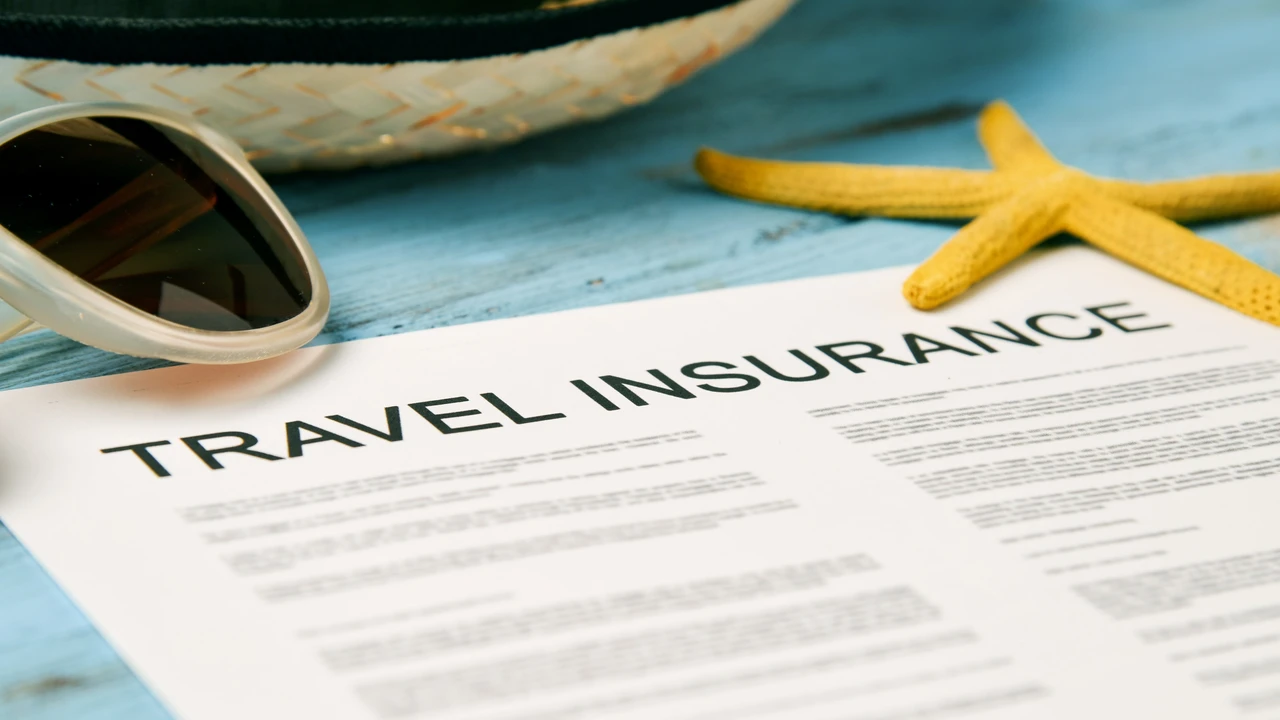
This is where the rubber meets the road. What happens if an employee gets sick or injured abroad? Your policy needs clear guidelines. This includes mandating comprehensive travel insurance. Look for policies that cover emergency medical evacuation, repatriation of remains, and a good level of medical treatment. Companies like Allianz Travel Insurance and World Nomads (though often geared towards leisure travelers, they have business options) offer various plans. Allianz's business travel plans can range from a few hundred to several thousand dollars per employee per year, depending on coverage levels and frequency of travel. World Nomads is generally more affordable, but might not offer the same level of corporate-specific services. You should also consider a telemedicine service. Teladoc Health, for example, offers virtual doctor visits from anywhere in the world, which can be incredibly useful for non-emergency medical advice. Their corporate plans vary, but individual subscriptions can be around $49 per visit or a monthly fee. Your policy should also outline procedures for medical emergencies: who to contact, what information to have readily available (insurance details, medical history), and how to access local medical facilities. Having a 24/7 emergency contact number, whether it's an internal team or a third-party provider like ISOS, is non-negotiable.
Security Protocols and Crisis Management for Overseas Travel
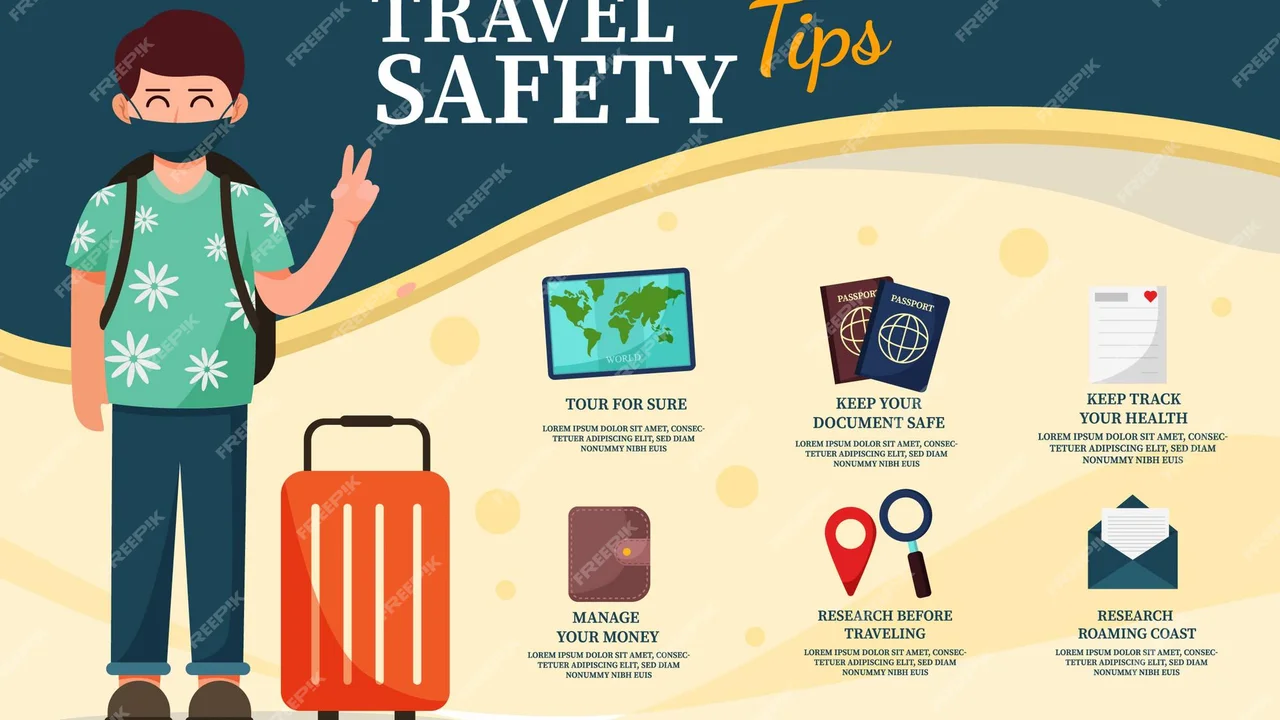
Beyond health, personal security is paramount. Your policy should address security risks, from petty crime to more serious threats. This means providing employees with security briefings relevant to their destination. Again, services like International SOS and Control Risks are invaluable here, offering security alerts, advice, and even on-the-ground assistance in crisis situations. For example, if there's civil unrest, they can provide guidance on safe zones or even facilitate evacuation. Your policy should also cover personal safety tips: avoiding certain areas, being aware of surroundings, securing valuables, and using reputable transportation. For high-risk areas, consider mandating security training. Companies like Global Guardian offer executive protection and security training, which can be quite expensive (think thousands of dollars per day for specialized services) but essential for certain roles or destinations. Your crisis management plan should clearly define roles and responsibilities, communication protocols during an emergency, and procedures for accounting for all travelers. Regular drills or tabletop exercises can help ensure everyone knows what to do when a crisis hits.
Communication and Support Systems for International Travelers
Effective communication is the backbone of any good travel policy. Employees need to know how to reach you, and you need to know how to reach them. Your policy should require employees to provide their itinerary and contact information before departure. Consider implementing a travel tracking system. Concur Travel & Expense, for instance, integrates travel booking with expense management and offers a duty of care module that can track employee locations and send alerts. Their pricing is subscription-based, varying by company size and features, but can be a significant investment. Another option is TravelPerk, which also offers a robust travel management platform with duty of care features. They have a free basic plan, but advanced features for duty of care come with their premium subscriptions. These platforms allow you to quickly locate employees in an emergency and send out mass communications. Your policy should also specify regular check-ins, especially for solo travelers or those in high-risk areas. Provide employees with a list of emergency contacts, including local embassy information, and ensure they have access to reliable communication methods, like international roaming or local SIM cards.
Mental Health and Well-being Support for Business Travelers
It's not just about physical safety; mental well-being is just as important, especially for frequent international travelers. Jet lag, cultural differences, isolation, and the pressure of business travel can take a toll. Your policy should acknowledge this and offer support. This could include access to mental health resources, such as counseling services or employee assistance programs (EAPs). Many EAPs, like those offered by Optum or Cigna, include global support and can provide confidential counseling services over the phone or video call. The cost of EAPs is typically part of a broader benefits package, but they are invaluable. Encourage employees to take breaks, maintain healthy habits, and report any mental health concerns. Providing resources for managing jet lag, stress, and cultural adaptation can also be beneficial. Some companies even offer pre-trip cultural awareness training to help employees navigate new environments more smoothly.
Implementing and Communicating Your Health and Safety Travel Policy
Having a great policy on paper is one thing; making sure it's actually used and understood is another. Implementation and communication are key.
Training and Awareness for All Employees
Don't just hand out a document and expect everyone to read it. Provide mandatory training for all employees who travel internationally. This training should cover the policy's key components, how to use any provided tools or services, and what to do in various emergency scenarios. Use real-life examples and interactive sessions to make it engaging. Regular refreshers are also a good idea, especially as travel risks or company policies evolve. Consider online modules for flexibility, but also offer in-person sessions for deeper engagement and Q&A.
Regular Review and Updates of Your Travel Policy
The world changes, and so should your policy. Geopolitical situations shift, new health risks emerge, and technology advances. Your travel policy for health and safety abroad should be a living document, reviewed and updated regularly – at least annually, or whenever significant global events occur. Get feedback from employees who travel frequently; they're on the front lines and can offer invaluable insights into what's working and what's not. Stay informed about global travel advisories and adjust your policy accordingly. This proactive approach ensures your policy remains relevant, effective, and truly protects your most valuable asset: your people.
Final Thoughts on International Travel Safety
Look, ensuring the health and safety of your employees when they're traveling internationally isn't just about ticking boxes. It's about showing them you care, building trust, and ultimately, protecting your business from potential liabilities. By investing in robust policies, reliable tools, and clear communication, you're not just preparing for the worst; you're empowering your team to travel confidently and focus on their work, knowing you've got their back. So, take the time, get it right, and make sure your travel policy is a beacon of safety and support for every global adventurer on your team. Safe travels!
:max_bytes(150000):strip_icc()/277019-baked-pork-chops-with-cream-of-mushroom-soup-DDMFS-beauty-4x3-BG-7505-5762b731cf30447d9cbbbbbf387beafa.jpg)