Travel Policy and Global Risk Management
Integrating comprehensive risk management strategies into your travel policy for international travelers.
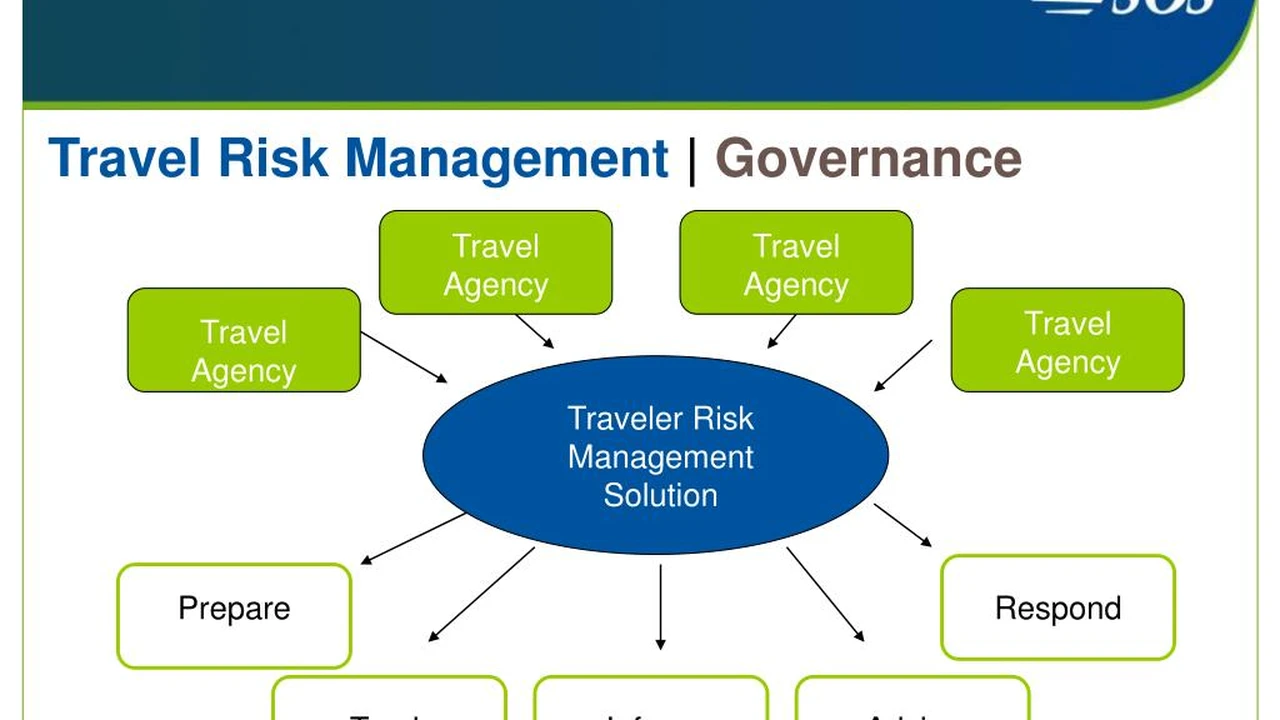
Integrating comprehensive risk management strategies into your travel policy for international travelers is absolutely crucial in today's interconnected world. Whether your team is heading to a bustling metropolis in Southeast Asia or a quiet town in the American Midwest, understanding and mitigating potential risks is paramount. This isn't just about ticking boxes; it's about ensuring the safety, well-being, and productivity of your most valuable asset: your employees. A well-thought-out travel risk management strategy embedded within your travel policy can prevent crises, reduce liabilities, and ultimately, save lives and resources.
Travel Policy and Global Risk Management
Understanding Global Travel Risks for Your Business
Before diving into solutions, let's break down the types of risks your international travelers might face. It's not just about natural disasters or political unrest, though those are certainly significant. We're talking about a spectrum of potential issues, from minor inconvenances to major emergencies. Think about health risks, like unexpected illnesses or access to quality medical care in a foreign country. There are security risks, ranging from petty crime to terrorism. Logistical risks can include flight delays, lost luggage, or transportation issues. And let's not forget reputational risks for your company if an incident occurs and isn't handled properly. Each of these categories requires a proactive approach within your travel policy.
Key Components of a Robust Travel Risk Management Policy
So, what does a truly comprehensive travel risk management policy look like? It's a multi-faceted approach that covers preparation, during-travel support, and post-travel review. First, you need clear pre-trip assessments. This means evaluating the destination's risk level, understanding local laws and customs, and assessing the traveler's individual health and security needs. Your policy should mandate pre-trip briefings or training, especially for high-risk destinations. Then, during the trip, you need real-time monitoring and communication. This involves tracking traveler locations (with privacy considerations, of course), providing emergency contact information, and having a clear communication plan for incidents. Finally, post-trip, it's about debriefing, learning from experiences, and updating your policy as needed. It's a continuous cycle of improvement.
Leveraging Technology for Enhanced Travel Risk Management
In the digital age, technology is your best friend when it comes to travel risk management. There are incredible platforms out there that can automate many aspects of your policy, from pre-trip approvals to real-time alerts. These tools can integrate with your travel booking systems, providing a seamless experience while ensuring compliance. They offer features like geo-fencing, which can alert travelers if they enter a high-risk area, or two-way communication channels for immediate support. The right tech stack can transform your risk management from a reactive chore into a proactive, efficient system. Let's look at some specific solutions.
Comparing Leading Travel Risk Management Platforms and Their Features
When it comes to choosing a travel risk management platform, you've got a few excellent options, each with its own strengths. It's not a one-size-fits-all scenario, so consider your company's size, travel volume, and specific risk profile. Here are a few top contenders:
International SOS Global Travel Risk Management
International SOS is often considered the gold standard in global assistance and travel risk management. They offer a comprehensive suite of services, not just technology. Their strength lies in their global network of clinics, security experts, and assistance centers. They provide medical and security advice, emergency evacuation services, and real-time intelligence. Their technology platform, TravelTracker, allows you to locate and communicate with your travelers worldwide. They also offer pre-travel medical assessments and destination-specific risk briefings. The pricing for International SOS is typically on a subscription basis, often tiered by the number of travelers or the level of service required. For a large multinational corporation with frequent international travel to diverse locations, their comprehensive support can be invaluable. Expect a significant investment, but for the peace of mind and extensive global reach, many find it worthwhile. Their services are highly customizable, so pricing can vary widely based on your specific needs and the depth of their engagement.
Everbridge Critical Event Management
While not exclusively a travel risk management platform, Everbridge is a powerful critical event management system that can be highly effective for traveler safety. It excels in mass notification and incident management. If there's a natural disaster, a security threat, or any critical event, Everbridge can quickly identify affected travelers based on their location data (integrated from travel bookings or mobile apps) and send targeted alerts and instructions. It allows for two-way communication, enabling travelers to confirm their safety or request assistance. Everbridge's strength is its ability to manage a wide range of critical events beyond just travel, making it a versatile solution for overall organizational resilience. Pricing for Everbridge is typically enterprise-level, based on the number of users or contacts managed. It's a robust solution for companies that need a unified platform for all critical communications, including travel-related incidents. It might be overkill for very small businesses but is excellent for medium to large enterprises with complex communication needs.
WorldAware (now part of Everbridge)
WorldAware, now integrated into Everbridge, was a leading provider of intelligence-driven risk management solutions. Their focus was on providing actionable threat intelligence and risk assessments for global operations, including travel. They offered detailed country and city risk reports, real-time alerts on developing situations, and a platform for tracking and communicating with travelers. While their standalone services are now part of the broader Everbridge offering, their legacy of deep intelligence and analysis continues. If you're looking at Everbridge, you're essentially getting the enhanced capabilities that WorldAware brought to the table, particularly in terms of threat intelligence and risk analysis. The pricing structure would now fall under Everbridge's enterprise models.
Crisis24 (formerly GardaWorld)
Crisis24, part of GardaWorld, offers comprehensive global risk management and security services. Similar to International SOS, they provide a blend of technology and human expertise. Their services include intelligence gathering, risk assessments, executive protection, and emergency response. They have a global network of security professionals who can provide on-the-ground support. Their technology platform allows for traveler tracking, communication, and access to their intelligence portal. Crisis24 is particularly strong in providing security-focused solutions, making them an excellent choice for companies whose travelers might face higher security risks. Their pricing is typically customized based on the scope of services, the number of travelers, and the level of security support required. They are a premium provider, often chosen by organizations with significant security concerns or those operating in complex environments.
TravelPerk Risk Management Module
For companies already using or considering a modern travel management platform like TravelPerk, their integrated risk management module can be a very convenient option. TravelPerk focuses on providing a seamless booking and management experience, and their risk module extends this to traveler safety. It allows you to see where your travelers are, receive alerts for incidents in their vicinity, and communicate with them directly through the platform. While it might not offer the same depth of medical or security evacuation services as a dedicated provider like International SOS, it provides a solid foundation for basic risk management within your existing travel ecosystem. It's often an add-on to their core travel management service, so the cost is integrated into your overall TravelPerk subscription. This is a great choice for small to medium-sized businesses looking for an all-in-one solution without needing highly specialized, high-cost security services.
Implementing Your Travel Risk Management Policy Effectively
Having a policy and choosing a platform are just the first steps. Effective implementation is where the rubber meets the road. First, communicate your policy clearly and consistently to all employees who travel. Don't just send an email; conduct training sessions, provide FAQs, and make it easily accessible. Second, ensure buy-in from leadership. If management isn't on board, employees won't take it seriously. Third, integrate your risk management policy with other internal policies, like HR and IT security. Data privacy, for instance, is a huge consideration when tracking employee locations. Finally, regularly review and update your policy. The world changes, and so should your risk management strategy. What was safe yesterday might not be safe tomorrow.
Training Your Travelers for Global Safety and Awareness
Technology can do a lot, but an informed traveler is your best defense. Your travel policy should mandate or strongly recommend pre-trip training. This isn't just about knowing where the emergency exits are. It's about cultural awareness, understanding local laws, knowing how to handle common scams, and what to do in a medical emergency. Provide practical tips: how to secure personal belongings, what to do if a passport is lost, or how to use local transportation safely. Empowering your employees with knowledge makes them more resilient and reduces the likelihood of incidents. Consider online modules, webinars, or even in-person sessions for high-frequency travelers or those going to particularly challenging destinations. This proactive approach fosters a culture of safety and responsibility.
The Importance of Post-Incident Response and Review
Even with the best planning, incidents can happen. Your travel policy must clearly outline post-incident procedures. Who do employees contact? What information needs to be gathered? How will medical or security assistance be dispatched? Having a clear, well-rehearsed emergency response plan is critical. After an incident, conduct a thorough review. What went well? What could have been done better? Use these lessons to refine your policy, update training materials, and improve your technology solutions. This continuous feedback loop ensures your travel risk management strategy remains effective and adapts to new challenges. It's about learning and evolving, always striving to make your travelers safer and more secure, no matter where their business takes them.
:max_bytes(150000):strip_icc()/277019-baked-pork-chops-with-cream-of-mushroom-soup-DDMFS-beauty-4x3-BG-7505-5762b731cf30447d9cbbbbbf387beafa.jpg)