Travel Policy and Online Booking Tools OBTs
Understanding how Online Booking Tools (OBTs) integrate with and enforce corporate travel policies.

Understanding how Online Booking Tools (OBTs) integrate with and enforce corporate travel policies.
Travel Policy and Online Booking Tools OBTs
In the dynamic world of corporate travel, managing expenses, ensuring compliance, and providing a seamless experience for employees can be a complex juggling act. This is where Online Booking Tools (OBTs) come into play, acting as a crucial bridge between your company's travel policy and its practical application. OBTs are not just platforms for booking flights and hotels; they are powerful engines designed to embed, enforce, and optimize your travel policy, ultimately leading to significant cost savings, improved efficiency, and enhanced traveler satisfaction.
The integration of OBTs with corporate travel policies is a game-changer. Gone are the days of manual approvals, endless email chains, and policy breaches due to human error or lack of awareness. OBTs automate much of this process, guiding employees through policy-compliant choices and flagging out-of-policy bookings before they even happen. This article will delve deep into how OBTs function, their benefits, key features to look for, a comparison of popular products, and best practices for successful implementation.
The Core Functionality of Online Booking Tools OBTs for Travel Policy Enforcement
At its heart, an OBT serves as a self-service portal for employees to book their business travel. However, its true power lies in its ability to integrate your company's specific travel policy rules directly into the booking workflow. This means that as an employee searches for flights, hotels, or rental cars, the OBT is constantly checking these selections against predefined parameters.
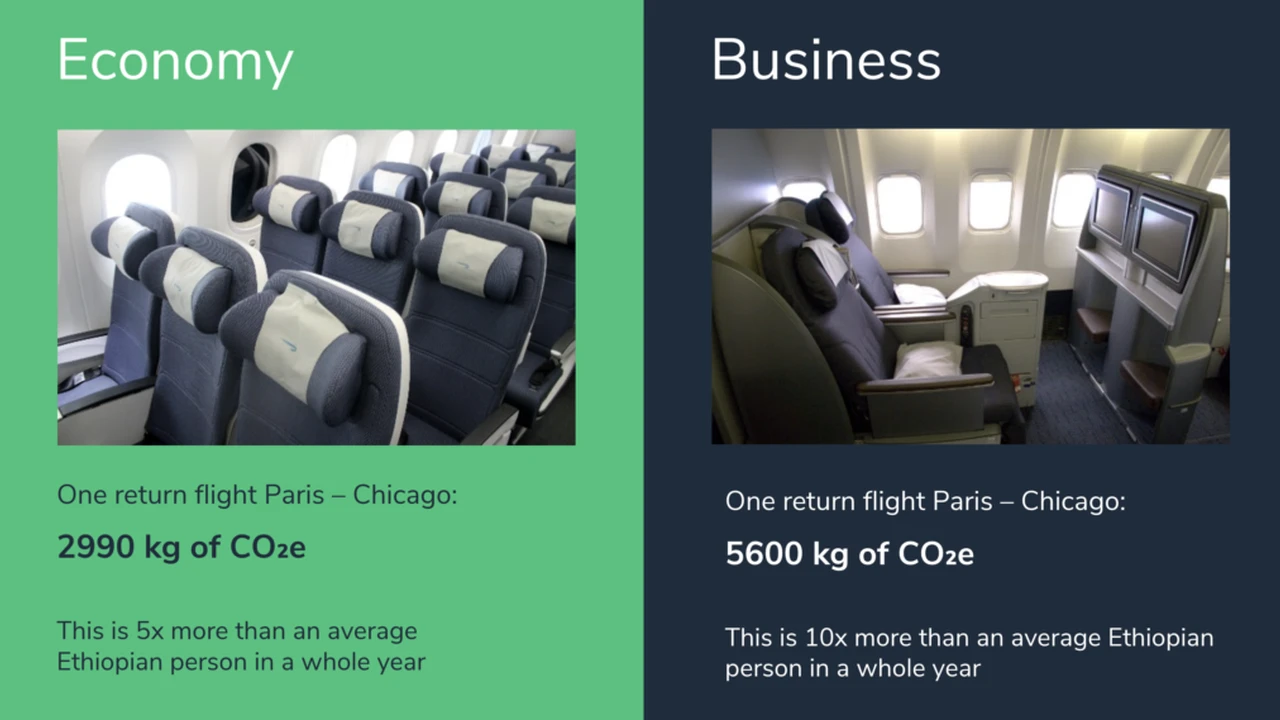
For instance, if your policy dictates that economy class is mandatory for flights under six hours, the OBT will only display economy options or flag business class options as out-of-policy, requiring an explanation or manager approval. Similarly, if there's a daily hotel rate limit for a specific city, the OBT will highlight compliant options and alert the user if they select something above the threshold. This real-time enforcement is invaluable for maintaining control over travel spend and ensuring consistency across the organization.
Beyond simple rule enforcement, OBTs also facilitate the approval process. If a booking falls outside policy, it can automatically route to the relevant manager or department head for review and approval, complete with the reason for the out-of-policy request. This streamlines what was once a cumbersome manual process, reducing delays and administrative burden.
Key Benefits of Integrating OBTs with Your Corporate Travel Policy for Efficiency and Savings
The advantages of leveraging OBTs for travel policy integration are multifaceted, impacting various aspects of your business:
- Enhanced Policy Compliance: This is perhaps the most significant benefit. OBTs act as a digital gatekeeper, ensuring that bookings adhere to your policy rules, from preferred vendors and class of service to spending limits and advance booking requirements. This drastically reduces rogue spending and ensures consistency.
- Significant Cost Savings: By enforcing policy at the point of sale, OBTs prevent overspending. They can steer employees towards preferred suppliers with negotiated rates, encourage advance bookings, and highlight the most cost-effective options within policy. Many OBTs also offer dynamic pricing insights, helping travelers choose optimal times to book.
- Increased Efficiency and Productivity: Automating the booking and approval process frees up valuable time for both travelers and administrators. Employees can book their trips quickly and independently, while travel managers can focus on strategic initiatives rather than manual approvals and reconciliation.
- Improved Data Collection and Reporting: OBTs centralize all booking data, providing rich insights into travel spend, patterns, and compliance rates. This data is crucial for identifying areas for further savings, negotiating better deals with suppliers, and refining your travel policy over time.
- Better Traveler Experience: While policy enforcement is key, OBTs also aim to make the booking process user-friendly and intuitive. Travelers have access to a wide range of options within policy, often with personalized recommendations, leading to a more satisfying booking experience.
- Enhanced Duty of Care: In an emergency, knowing where your travelers are is paramount. OBTs provide real-time visibility into traveler itineraries, aiding in duty of care responsibilities and emergency response.
- Streamlined Expense Management: Many OBTs integrate directly with expense management systems, automatically populating expense reports with booking details, reducing manual entry and errors.
Essential Features to Look for in an Online Booking Tool OBT for Robust Policy Management
When evaluating OBTs, certain features are non-negotiable for effective travel policy integration:
- Configurable Policy Rules Engine: The ability to customize and implement a wide array of policy rules, including spending limits, class of service, preferred vendors, advance booking windows, and approval workflows. This engine should be flexible enough to accommodate different policies for different employee groups or departments.
- Real-time Policy Enforcement and Alerts: The system should immediately flag out-of-policy bookings and provide clear reasons why. It should also offer alternatives that are within policy.
- Automated Approval Workflows: Customizable multi-level approval processes based on booking value, policy deviation, or traveler hierarchy. This should include options for automatic approval for in-policy bookings and escalation for out-of-policy requests.
- Comprehensive Inventory Access: Access to a broad range of travel content, including global distribution systems (GDS), direct airline and hotel connections, and aggregator content, to ensure competitive pricing and diverse options.
- User-Friendly Interface: An intuitive and easy-to-navigate interface for travelers, minimizing the need for extensive training and encouraging adoption.
- Integration Capabilities: Seamless integration with other critical business systems, such as expense management software, HR systems, and enterprise resource planning (ERP) tools.
- Reporting and Analytics: Robust reporting features that provide actionable insights into travel spend, policy compliance, supplier performance, and traveler behavior. Customizable dashboards are a plus.
- Mobile Accessibility: A fully functional mobile app for on-the-go booking, itinerary management, and policy adherence.
- Duty of Care Features: Traveler tracking, emergency alerts, and communication tools to ensure traveler safety and support.
- Customer Support: Reliable and responsive customer support for both administrators and travelers.
Comparing Leading Online Booking Tools OBTs for Corporate Travel Policy Integration
The market for OBTs is competitive, with various providers offering different strengths. Here's a comparison of some prominent players, highlighting their suitability for robust travel policy integration:
1. SAP Concur Travel
Overview: SAP Concur is a market leader, offering a comprehensive suite of travel and expense management solutions. Concur Travel is its OBT component, deeply integrated with its expense management system, Concur Expense.
Policy Integration Strengths: Concur Travel boasts an extremely robust and highly configurable policy engine. You can set up granular rules based on traveler groups, destinations, booking classes, preferred vendors, and spending limits. It offers multi-level approval workflows that are highly customizable. Its strength lies in its ability to enforce policy at the point of booking and then seamlessly flow that data into expense reporting, providing end-to-end visibility and control.
Use Cases: Ideal for medium to large enterprises with complex travel policies and a need for integrated travel and expense management. Companies looking for strong compliance and detailed reporting will find Concur highly effective.
Pricing: Concur's pricing is typically subscription-based, often tiered by the number of active users or transactions. It's generally considered a premium solution, with costs varying significantly based on modules chosen and company size. Expect to pay anywhere from a few dollars per user per month for basic packages to significantly more for enterprise-level deployments with advanced features. Specific pricing is usually provided upon request after a consultation.
2. Egencia (an Expedia Group company)
Overview: Egencia combines a powerful OBT with dedicated travel management services, offering a hybrid approach that blends technology with human support.
Policy Integration Strengths: Egencia's platform is designed with policy enforcement at its core. It allows for detailed policy configuration, including preferred supplier management, spending caps, and class-of-service rules. Its strength is its global reach and ability to handle complex international policies, supported by local travel agents. The platform provides clear visual cues to travelers when they are booking out of policy, and the approval workflows are highly efficient.
Use Cases: Best suited for global companies or those with significant international travel, who appreciate a blend of self-service technology and personalized agent support. Companies prioritizing global consistency and duty of care will find Egencia appealing.
Pricing: Egencia's pricing model often includes a transaction fee per booking, combined with a subscription fee for platform access. The exact costs depend on travel volume, services required, and negotiated rates. It's competitive for mid-to-large businesses, with pricing details typically provided after a demo and needs assessment.
3. TripActions (now Navan)
Overview: TripActions, recently rebranded as Navan, is known for its modern, user-friendly interface and focus on traveler experience, while still providing robust policy controls.
Policy Integration Strengths: Navan offers a highly intuitive policy engine that allows administrators to set up granular rules with ease. Its real-time policy guidance and 'gamification' elements (like showing savings opportunities) encourage in-policy booking. A key differentiator is its 'Liquid' payment solution, which integrates corporate cards and automatically applies policy rules at the point of sale, reducing the need for traditional expense reports. Approval flows are flexible and can be configured for various scenarios.
Use Cases: Ideal for companies looking for a modern, employee-centric travel platform that still maintains strong policy enforcement. Particularly attractive to tech-forward companies and those seeking to simplify expense management alongside travel booking.
Pricing: Navan typically uses a subscription model, often based on active users or travel spend. They emphasize a transparent pricing structure. While specific figures vary, it's generally positioned as a premium solution, offering significant value through its integrated platform. Expect to engage with their sales team for a tailored quote.
4. TravelPerk
Overview: TravelPerk positions itself as a business travel platform designed for ease of use, offering a vast inventory and 24/7 support.
Policy Integration Strengths: TravelPerk provides a straightforward yet powerful policy engine. You can define policies by department, team, or individual, setting limits on flights, hotels, and ground transport. It offers clear out-of-policy warnings and customizable approval flows. Its 'FlexiPerk' feature allows for refundable bookings, adding flexibility while still adhering to policy. The platform's strength is its simplicity and extensive global inventory.
Use Cases: Well-suited for small to medium-sized businesses (SMBs) and growing companies that need a user-friendly platform with strong policy controls without excessive complexity. Companies valuing flexibility and a wide range of booking options will find it appealing.
Pricing: TravelPerk offers tiered pricing plans, often starting with a free basic plan and scaling up to premium plans with more features and dedicated support. Paid plans typically involve a per-trip fee or a monthly subscription. For example, their 'Premium' plan might be around $15-20 per trip, while 'Pro' plans offer more advanced features and support for a higher per-trip or monthly fee. Exact pricing is available on their website or upon request.
5. Deem (an Enterprise Holdings company)
Overview: Deem is a long-standing player in the corporate travel space, offering a comprehensive OBT with a focus on customization and integration.
Policy Integration Strengths: Deem's policy engine is highly adaptable, allowing for complex rule sets and approval hierarchies. It excels in its ability to integrate with various GDS and direct supplier connections, providing a wide range of content. Deem emphasizes traveler choice within policy, offering multiple compliant options. Its strength lies in its flexibility to cater to diverse corporate structures and policy requirements, often working well with existing travel management companies (TMCs).
Use Cases: Suitable for mid-to-large enterprises, especially those with existing TMC relationships or highly specific integration needs. Companies that require a high degree of customization in their policy enforcement will find Deem a strong contender.
Pricing: Deem's pricing is typically enterprise-focused, based on volume and specific feature sets. It's generally a subscription model, with costs varying significantly based on the scale of deployment and required integrations. Direct consultation with their sales team is necessary for accurate pricing.
Best Practices for Successful OBT Implementation and Travel Policy Optimization
Implementing an OBT is more than just rolling out new software; it's about optimizing your entire travel program. Here are some best practices:
1. Define Clear and Concise Travel Policies for OBT Integration
Before even selecting an OBT, ensure your travel policy is clear, concise, and easy to understand. Ambiguity in policy leads to confusion and non-compliance, regardless of the tool. Break down your policy into granular rules that can be easily translated into the OBT's configuration settings. Consider different policies for different employee levels or departments if necessary.
2. Involve Stakeholders Early in the OBT Selection Process
Engage key stakeholders, including finance, HR, IT, and frequent travelers, in the OBT selection and implementation process. Their input will ensure the chosen solution meets diverse needs and increases adoption rates. Travelers, in particular, can provide valuable feedback on usability.
3. Phased Rollout and Pilot Programs for OBT Adoption
Consider a phased rollout, starting with a pilot program involving a smaller group of users. This allows you to identify and address any issues before a full company-wide launch. Gather feedback from pilot users to refine the OBT configuration and training materials.
4. Comprehensive Training and Communication for OBT Users
Provide thorough training to all employees on how to use the OBT and, crucially, how it relates to the travel policy. Don't just show them how to click buttons; explain the 'why' behind the policy rules enforced by the OBT. Use multiple communication channels (emails, webinars, FAQs, quick guides) to ensure everyone is informed.
5. Continuous Monitoring and Policy Refinement with OBT Data
Once the OBT is live, continuously monitor its performance and compliance rates using the reporting features. Analyze data on out-of-policy bookings, preferred vendor usage, and overall spend. Use these insights to identify areas where your policy might need refinement or where additional training is required. Travel policies are not static; they should evolve with your business needs and market conditions.
6. Leverage OBT Features for Preferred Supplier Management
Work closely with your OBT provider to load and prioritize your negotiated rates with airlines, hotels, and car rental companies. The OBT should actively steer travelers towards these preferred suppliers, maximizing your savings and strengthening your vendor relationships.
7. Integrate OBT with Expense Management for Seamless Workflow
If your OBT offers integration with an expense management system (either its own or a third-party one), leverage it fully. This creates a seamless, end-to-end process from booking to expense reporting, reducing manual effort and improving data accuracy.
8. Provide Ongoing Support and Feedback Channels for OBT Users
Establish clear channels for employees to get support when they encounter issues with the OBT or have questions about the policy. This could be a dedicated help desk, an internal FAQ page, or direct contact with the travel management team. Regular feedback sessions can also help identify areas for improvement.
By strategically implementing and utilizing Online Booking Tools, businesses can transform their corporate travel programs from a cost center into a well-oiled machine that drives efficiency, ensures compliance, and empowers employees to make smart, policy-aligned travel choices.
:max_bytes(150000):strip_icc()/277019-baked-pork-chops-with-cream-of-mushroom-soup-DDMFS-beauty-4x3-BG-7505-5762b731cf30447d9cbbbbbf387beafa.jpg)