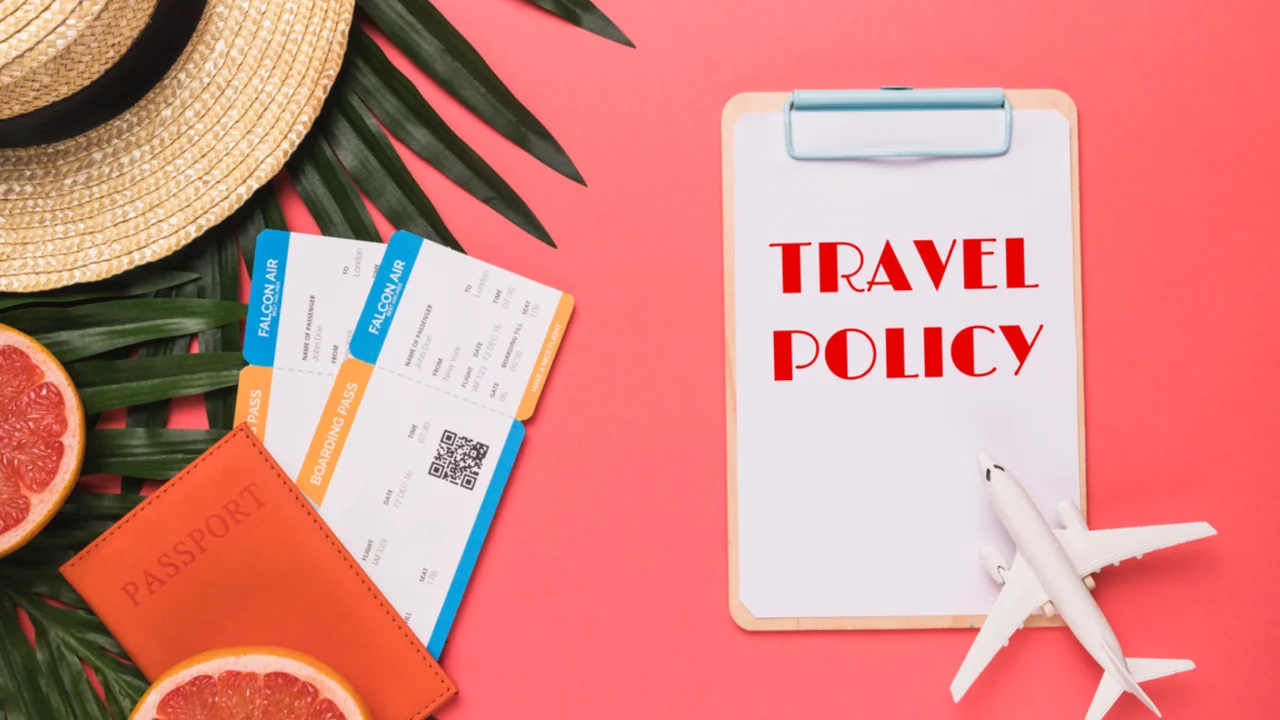
Travel Policy for Airfare Savings Tips
Practical tips and policy guidelines to help employees find and book the most cost-effective air travel options.

Practical tips and policy guidelines to help employees find and book the most cost-effective air travel options.
Travel Policy for Airfare Savings Tips Maximizing Your Business Travel Budget
Hey there, business travelers and finance folks! Let's talk about one of the biggest chunks of your travel budget: airfare. It's no secret that flights can be incredibly expensive, especially when you're booking last-minute or for popular routes. But with a smart travel policy and a few savvy tricks, you can significantly cut down on those costs without sacrificing comfort or efficiency. This isn't just about pinching pennies; it's about making your travel budget go further, allowing for more essential trips or reallocating funds to other critical areas of your business. We're going to dive deep into practical tips and policy guidelines that empower your employees to find and book the most cost-effective air travel options. Think of this as your ultimate guide to becoming an airfare-saving guru for your company.
Understanding Airfare Dynamics Key Factors Influencing Flight Prices
Before we jump into saving money, it's crucial to understand why airfares fluctuate so much. It's not just random; there's a method to the madness. Airlines use complex algorithms to determine pricing based on a multitude of factors. Knowing these can give you a significant edge. First off, demand is king. High demand for a particular route or date means higher prices. Think holidays, major conferences, or peak tourist seasons. Secondly, booking in advance is almost always cheaper. Airlines reward early bookings because it helps them predict demand and fill seats. Last-minute bookings are often for urgent travel, and airlines capitalize on that urgency. Thirdly, the day of the week you fly matters. Mid-week flights (Tuesday, Wednesday, Thursday) are typically cheaper than weekend flights. Early morning or late-night flights can also be more affordable because they're less convenient. Lastly, consider the airline's pricing strategy. Some airlines are budget carriers with no-frills pricing, while others are full-service with higher base fares but more inclusions. Understanding these dynamics is the first step to crafting a policy that encourages cost-effective choices.
Crafting Your Travel Policy Essential Airfare Guidelines for Employees
Your travel policy isn't just a rulebook; it's a guide to smart spending. Here are some essential guidelines to include that will directly impact airfare costs:
Advance Booking Mandates The Power of Planning Ahead
This is perhaps the most impactful policy guideline. Mandate a minimum advance booking window, for example, 14 or 21 days prior to departure. Explain the financial benefits clearly. For instance, a flight booked 3 weeks out could be 30-50% cheaper than one booked a week before. You can set different windows for domestic versus international travel. For international, a 30-60 day window is often ideal. Provide clear exceptions for genuine emergencies, but make sure the approval process for these exceptions is robust to prevent abuse. Consider a tiered approval system where last-minute bookings require higher-level management approval.
Preferred Airlines and Alliances Leveraging Corporate Deals
If your company has significant travel volume, negotiate corporate rates with specific airlines or airline alliances. Include these preferred carriers in your policy. Explain that employees should prioritize these airlines unless there's a significant cost difference or a compelling business reason. This not only saves money but can also lead to perks like lounge access, priority boarding, or better baggage allowances for your travelers. For example, if you have a deal with United, encourage employees to check United flights first. If a Star Alliance partner offers a similar route, that might also be a good option due to interline agreements and potential mileage accrual.
Economy Class First Exceptions for Long Haul or Seniority
Make economy class the default for all flights. Clearly define when business or first class is permissible. This could be for flights over a certain duration (e.g., 6+ hours for business class, 10+ hours for first class), for senior executives, or for specific client-facing roles where arriving refreshed is paramount. Be very specific about these thresholds to avoid ambiguity. For example, 'Business Class is permitted for international flights exceeding 6 hours in duration for all employees, or for domestic flights exceeding 4 hours for VP-level and above.' This clarity prevents employees from making assumptions and helps manage expectations.
Flexible Travel Dates and Times Encouraging Off Peak Travel
Encourage employees to be flexible with their travel dates and times whenever possible. Suggest checking prices for a few days before and after their ideal travel dates. Flying on a Tuesday instead of a Monday or Friday can often yield significant savings. Similarly, early morning or late-night flights are usually cheaper. Your policy can state, 'Employees are encouraged to explore flight options within a +/- 1-day window of their preferred travel dates to identify cost-saving opportunities, provided it does not impact critical business objectives.' This empowers them to find better deals.
Layover Tolerance Balancing Cost and Convenience
Direct flights are convenient but often more expensive. Define a reasonable layover tolerance in your policy. For example, 'Employees should consider flights with one layover if the total travel time does not exceed X hours more than a direct flight, and the cost savings are significant (e.g., 20% or more).' This encourages employees to consider slightly less convenient but much cheaper options. Be mindful of extremely long layovers or multiple connections, as these can negatively impact productivity and employee well-being.
Baggage Policies Avoiding Hidden Fees
Clearly outline your company's baggage policy. Will the company pay for checked bags? Only one? What about oversized luggage? Many budget airlines charge hefty fees for checked bags. Encourage employees to travel light with carry-on luggage whenever feasible. If checked bags are necessary, ensure they understand the policy on reimbursement. For example, 'One checked bag is permitted for flights where a carry-on is insufficient for business materials or trip duration. Excess baggage fees require prior approval from a manager.'
Non Refundable vs Flexible Tickets When to Choose Which
Non-refundable tickets are almost always cheaper. Your policy should state that non-refundable tickets are the default. However, provide clear guidelines for when a flexible or refundable ticket is justified, such as for projects with uncertain timelines or for senior executives whose schedules are prone to last-minute changes. The cost difference between refundable and non-refundable can be substantial, so this is a key area for savings. 'Non-refundable economy class tickets are the standard. Flexible tickets may be purchased only with explicit manager approval for projects with high likelihood of schedule changes, and the cost difference must be justified.'
Leveraging Technology Best Tools for Airfare Savings
In today's digital age, technology is your best friend for finding the best airfare deals. Encourage your employees to use these tools, and consider integrating them into your booking process.
Online Travel Agencies OTAs and Metasearch Engines
These platforms aggregate flight data from various airlines, making it easy to compare prices. While your corporate booking tool might be primary, these can be great for research or for finding deals not available through your direct channels.
Google Flights
Description: Google Flights is a powerful metasearch engine that allows users to find and compare flights from various airlines and online travel agencies. It's known for its intuitive interface, flexible date search options, and price tracking features. Key Features for Business Travel:
- Date Grid and Price Graph: Easily see the cheapest days to fly across a month or more. This is invaluable for flexible travelers.
- Price Tracking: Set up alerts for specific routes and dates, and Google will notify you when prices drop or rise.
- Explore Map: If the destination is flexible, you can see prices to various locations from your origin.
- Filter Options: Filter by airline, number of stops, layover duration, departure/arrival times, and even aircraft type.
- Carbon Emissions Data: Increasingly, it shows estimated carbon emissions, which can align with sustainability goals.
Skyscanner
Description: Skyscanner is another popular global travel metasearch engine that compares flights, hotels, and car rentals. It's particularly strong for finding budget airline options and has a 'Everywhere' search feature. Key Features for Business Travel:
- 'Everywhere' Search: If your destination is flexible, you can search for the cheapest flights from your origin to anywhere in the world.
- Whole Month/Cheapest Month Search: Similar to Google Flights, it helps identify the cheapest times to travel.
- Mix & Match Airlines: Allows booking separate one-way tickets on different airlines for potentially cheaper round trips.
- Price Alerts: Get notifications when prices change for your chosen routes.
Kayak
Description: Kayak is a comprehensive travel search engine that searches hundreds of travel sites at once for flights, hotels, rental cars, and vacation packages. It also offers price forecasts. Key Features for Business Travel:
- Price Forecast: Uses historical data to predict whether flight prices are likely to go up or down in the next 7 days.
- Flexible Date Search: Similar to others, helps find the cheapest days to fly.
- Mix & Match: Allows combining different airlines for outbound and inbound flights.
- Explore Tool: Similar to Google Flights' map, helps visualize destinations and prices.
Corporate Travel Management Platforms
For larger organizations, a dedicated Corporate Travel Management (CTM) platform is indispensable. These platforms integrate your travel policy, preferred vendors, and approval workflows, ensuring compliance and providing robust reporting.
SAP Concur Travel
Description: SAP Concur is a leading integrated travel and expense management solution. It automates the entire process from booking to expense reporting, ensuring policy compliance at every step. Key Features for Business Travel:
- Policy Enforcement: Automatically flags out-of-policy bookings and requires justification or manager approval.
- Preferred Vendor Integration: Direct integration with your negotiated airline and hotel rates.
- Automated Approvals: Streamlines the approval workflow based on your company's hierarchy and policy rules.
- Mobile App: Allows employees to book, manage itineraries, and submit expenses on the go.
- Reporting & Analytics: Provides detailed insights into travel spending, compliance rates, and potential savings.
- Duty of Care: Helps locate travelers in emergencies.
TripActions (now Navan)
Description: Navan (formerly TripActions) is a modern travel and expense management platform known for its user-friendly interface, personalized booking experience, and strong focus on traveler satisfaction and cost savings. Key Features for Business Travel:
- Personalized Booking: Uses AI to offer personalized flight options based on traveler preferences and past bookings, while staying within policy.
- Real-time Policy Enforcement: Guides travelers to in-policy options with clear visual cues.
- Dynamic Pricing: Leverages real-time data to find the best available fares.
- 24/7 Live Support: Human support available around the clock for travelers.
- Rewards Program: Offers incentives to employees for choosing more cost-effective options.
- Integrated Payments: Streamlines payment and reconciliation.
TravelPerk
Description: TravelPerk is a business travel platform designed for ease of use, offering a vast inventory of flights and hotels, 24/7 support, and robust policy enforcement. Key Features for Business Travel:
- Largest Inventory: Claims to have the world's largest travel inventory, including low-cost carriers and traditional airlines.
- FlexiPerk: An add-on that allows users to cancel any trip for any reason and get at least 80% of their money back.
- 24/7 Human Support: Dedicated travel agents available around the clock.
- Policy & Approval Workflows: Customizable policy rules and multi-level approval processes.
- VAT Recovery: Helps businesses recover VAT on international travel expenses.
Price Comparison Websites and Apps
While corporate tools are primary, these can be useful for quick checks or for employees to understand market rates.
Hopper
Description: Hopper is a mobile-first app that uses predictive analytics to tell users the best time to buy flights and hotels. It claims up to 40% savings. Key Features for Business Travel:
- Price Prediction: 'Buy now' or 'Wait' recommendations based on historical data.
- Price Freeze: Allows users to 'freeze' a price for a small fee, protecting them if the price goes up.
- Flexible Dates: Helps identify cheaper travel dates.
Expedia / Booking.com (as OTAs)
Description: These are large Online Travel Agencies that allow direct booking of flights, hotels, and packages. While they are OTAs, they also function as comparison tools by showing various airline options. Key Features for Business Travel:
- Package Deals: Sometimes offer better rates when bundling flights with hotels or car rentals.
- Loyalty Programs: Offer their own loyalty points which can be redeemed for future travel.
- Wide Inventory: Access to a vast number of airlines and routes.
Advanced Strategies for Airfare Optimization Beyond the Basics
Once you've got the basics down, consider these more advanced tactics to squeeze even more savings out of your airfare budget.
Leveraging Airline Loyalty Programs and Corporate Accounts
Encourage employees to sign up for airline loyalty programs. Even if they don't travel frequently enough to earn elite status, accumulating miles can lead to free flights or upgrades down the line. More importantly, if your company has a corporate account with an airline, ensure all bookings are made through that account to accrue corporate points or qualify for negotiated discounts. This is where your CTM platform really shines, as it should automatically link bookings to your corporate account.
Understanding Fare Classes and Hidden Costs
Educate your employees about fare classes. A cheaper 'basic economy' ticket might seem appealing, but it often comes with restrictions like no seat selection, no changes, and no carry-on bag. Sometimes, a slightly more expensive standard economy ticket offers better value due to flexibility or included amenities. Your policy should guide employees on when basic economy is acceptable (e.g., short, direct flights with no checked bags) and when it's not. Also, be aware of hidden costs like seat selection fees, baggage fees, and even credit card processing fees on some budget airlines.
The Art of the Layover Strategic Connections for Savings
While direct flights are convenient, strategic layovers can save a lot. Encourage employees to consider flights with one reasonable layover, especially for long-haul international trips. Sometimes, flying into a slightly smaller, nearby airport can also be cheaper than the main hub, provided ground transportation costs don't negate the savings. For example, flying into Oakland instead of San Francisco, or Baltimore instead of Washington Dulles.
Monitoring Price Drops Post Booking
Some airlines or booking platforms offer price drop protection or allow changes without a fee if the fare drops after you've booked (though this is becoming rarer). Encourage employees to monitor prices even after booking, especially if they booked a flexible ticket. Tools like Google Flights or Hopper can help with this. If a significant price drop occurs and your ticket allows changes, it might be worth rebooking or requesting a credit.
Group Bookings and Charters for Large Teams
If you have a large team traveling to the same destination for an event or project, explore group booking options directly with airlines or through a travel agent specializing in group travel. Airlines often offer discounted rates for groups of 10 or more, along with more flexible terms regarding name changes or cancellations. For very large groups or specific needs, chartering a flight might even be a cost-effective and convenient option, though this is typically for very specialized scenarios.
The Bleisure Factor Combining Business and Leisure
Allowing employees to extend business trips for personal leisure (bleisure travel) can be a win-win. While the company only pays for the business portion of the trip, employees might be more inclined to choose cheaper flights if they're extending their stay, as the overall personal cost is reduced. Your policy should clearly define how costs are split and ensure that any personal extensions do not incur additional costs for the company (e.g., extended hotel stays, personal ground transport). This can also boost employee morale and retention.
Continuous Review and Adaptation Keeping Your Policy Current
The airline industry is constantly changing. New airlines emerge, routes change, and pricing strategies evolve. Your travel policy shouldn't be set in stone. Regularly review and update your airfare guidelines, perhaps annually or whenever there are significant shifts in the market. Gather feedback from your travelers and finance team. Are the policies too restrictive? Are they missing opportunities for savings? Use the data from your CTM platform to identify trends and areas for improvement. For example, if you notice a high number of out-of-policy last-minute bookings, it might indicate a need to revisit your advance booking window or approval process. Staying agile ensures your policy remains effective and continues to deliver maximum value for your travel budget.
By implementing these practical tips and robust policy guidelines, your company can significantly reduce its airfare expenditure. It's about empowering your employees with the knowledge and tools to make smart, cost-effective choices, while providing the necessary framework to ensure compliance and maximize savings. Happy travels, and even happier savings!
:max_bytes(150000):strip_icc()/277019-baked-pork-chops-with-cream-of-mushroom-soup-DDMFS-beauty-4x3-BG-7505-5762b731cf30447d9cbbbbbf387beafa.jpg)