Travel Policy for Cross Border Commuting
Specific policy rules for employees who regularly commute across international borders for work.

Specific policy rules for employees who regularly commute across international borders for work.
Travel Policy for Cross Border Commuting Navigating International Workflows
Understanding Cross Border Commuting What It Means for Your Business
Cross-border commuting, often referred to as international commuting, involves employees regularly traveling between two or more countries for work purposes. This isn't just about occasional business trips; it's about a consistent, often daily or weekly, movement across national boundaries. Think of a sales manager living in San Diego but working in Tijuana, Mexico, or a tech specialist residing in Singapore and commuting to a project in Johor Bahru, Malaysia. This unique work arrangement presents a complex web of challenges and opportunities for businesses, particularly when it comes to establishing a robust and compliant travel policy.
The rise of globalized economies, remote work capabilities, and specialized talent pools has made cross-border commuting increasingly common. Companies are leveraging talent wherever it resides, and employees are seeking opportunities that might be just across a border. However, this convenience comes with significant administrative, legal, and logistical hurdles. Without a clear and comprehensive travel policy specifically designed for cross-border commuters, companies risk non-compliance, financial penalties, operational inefficiencies, and even jeopardizing employee well-being.
This article dives deep into the intricacies of crafting an effective travel policy for cross-border commuting. We'll explore the critical areas you need to address, from immigration and tax implications to duty of care and technology solutions. Our goal is to provide actionable insights and practical recommendations to help your organization manage this complex aspect of modern work.
Key Considerations for Cross Border Travel Policies Immigration and Visas
One of the most critical aspects of cross-border commuting is ensuring strict adherence to immigration and visa regulations. This is not a one-size-fits-all scenario; rules vary dramatically by country and even by the type of work being performed. A misstep here can lead to severe consequences, including fines, deportation, and bans on future entry for both the employee and the company.
Visa Requirements and Work Permits for International Commuters
Your travel policy must clearly outline the specific visa and work permit requirements for each country involved in the commuting arrangement. This includes understanding the difference between business visitor visas (which typically don't allow for productive work) and actual work permits or specialized commuter visas. For instance, the US-Mexico border has specific visa categories like the Border Crossing Card (BCC) for certain Mexican citizens, but this doesn't automatically grant work authorization. Similarly, the Schengen Area in Europe allows for free movement, but working in a different Schengen country often requires a specific work permit.
The policy should mandate that employees obtain the correct documentation before commencing cross-border work. It should also specify who is responsible for the application process (employee, company, or a third-party vendor) and who bears the costs. Regular checks and reminders for visa expiry dates are also crucial.
Compliance and Penalties for Non Compliance in Cross Border Travel
The policy needs to emphasize the severe penalties for non-compliance. These can range from monetary fines for the company and employee to imprisonment, deportation, and blacklisting from future entry. It's vital to educate employees on these risks and ensure they understand their responsibilities. Companies should consider engaging immigration legal counsel to regularly review their cross-border commuting arrangements and ensure ongoing compliance with evolving regulations.
Tax Implications for Cross Border Commuters Understanding Dual Taxation
Taxation is arguably the most complex area of cross-border commuting. Employees can become tax residents in multiple jurisdictions, leading to potential dual taxation and significant administrative burdens for both the individual and the company.
Income Tax and Social Security for International Commuters
Your travel policy must address how income tax and social security contributions will be handled. This involves understanding:
- Tax Residency Rules: Each country has its own criteria for determining tax residency (e.g., number of days spent, permanent home, center of vital interests). An employee might be considered a tax resident in both their home country and the country they commute to.
- Double Taxation Treaties (DTTs): Many countries have DTTs to prevent individuals from being taxed twice on the same income. The policy should guide employees on how to leverage these treaties, often requiring specific forms or declarations.
- Payroll Implications: Companies may need to operate dual payrolls or adjust their payroll systems to comply with tax withholding requirements in both countries. This can involve complex calculations for social security contributions, which also vary widely.
The policy should clearly state the company's stance on tax equalization or protection, if any. Will the company cover any additional tax burden incurred by the employee due to cross-border commuting? Or is the employee responsible for managing their own tax affairs? Providing access to qualified tax advisors specializing in international taxation is highly recommended and should be outlined in the policy.
Corporate Tax and Permanent Establishment Risks
Beyond individual taxes, cross-border commuting can also create corporate tax risks, specifically the risk of creating a 'permanent establishment' (PE) in the country where the employee commutes to. If an employee's activities in the host country are deemed to create a PE, the company could become liable for corporate income tax in that country, even if it doesn't have a formal office there. The policy should include guidelines to mitigate PE risks, such as restricting the types of activities employees can perform while in the host country (e.g., no contract signing authority, no core business operations).
Duty of Care and Employee Well-being for Cross Border Workers
A company's duty of care extends to all employees, including those who commute across borders. This means ensuring their safety, security, and well-being while they are working and traveling.
Safety and Security Protocols for International Commuters
The travel policy should include robust safety and security protocols. This might involve:
- Risk Assessments: Regular assessments of the security situation in the commuting destination.
- Emergency Contact Information: Requiring employees to provide up-to-date emergency contacts and ensuring the company has access to this information.
- Emergency Response Plans: Clear procedures for what to do in case of an emergency (e.g., natural disaster, political unrest, medical emergency) while the employee is commuting or in the host country.
- Travel Alerts and Warnings: Subscribing to and disseminating travel alerts from government agencies (e.g., US State Department, UK Foreign Office) for the relevant regions.
Health and Medical Support for Cross Border Employees
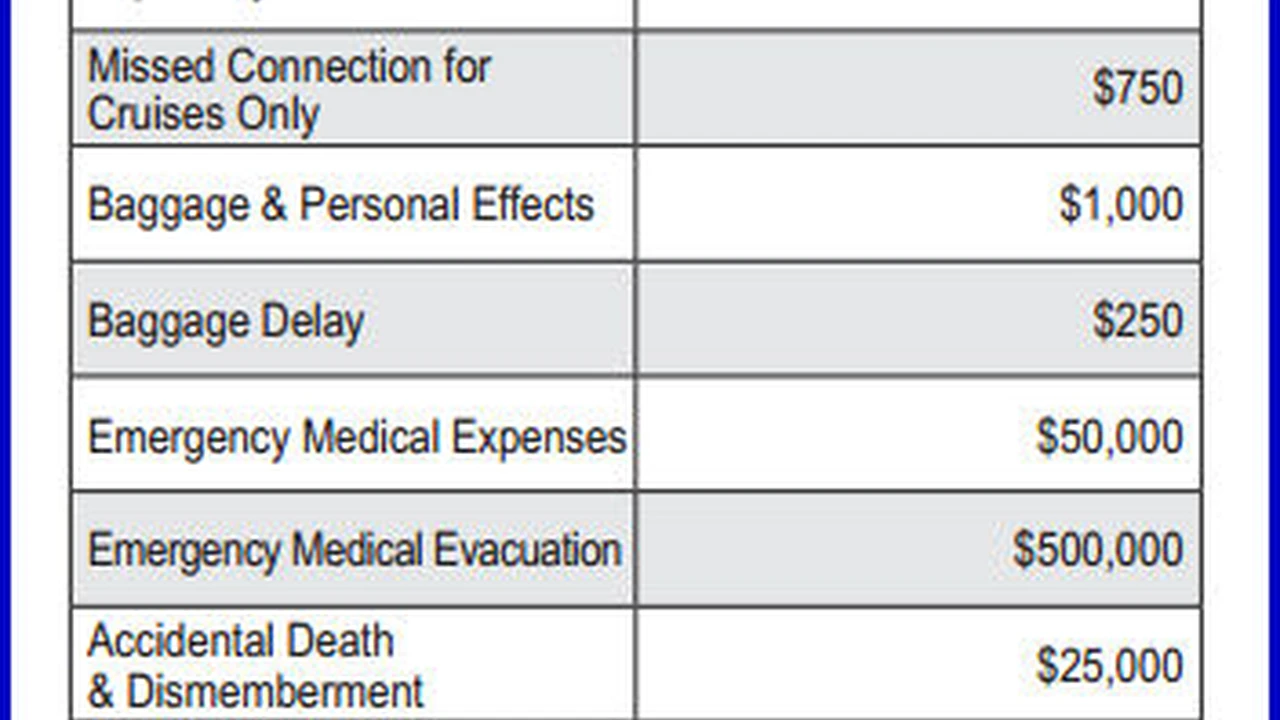
Access to healthcare can be a significant concern. The policy should clarify health insurance coverage. Does the company's existing health insurance extend to the commuting country? Or is supplementary international health insurance required? It should also provide guidance on accessing medical care in the host country, including emergency services and preferred medical providers.
Mental Health and Well-being for Frequent International Travelers
The stress of frequent travel, navigating different cultures, and being away from home can take a toll on mental health. The policy should acknowledge this and offer resources, such as access to employee assistance programs (EAPs) or mental health support services that are accessible internationally.
Logistics and Expense Management for Cross Border Commuting
Managing the practicalities of cross-border commuting, from travel arrangements to expense reimbursement, requires clear guidelines.
Travel Arrangements and Accommodation for International Commuters
The policy should specify preferred modes of transport (e.g., air, rail, car), booking procedures, and any restrictions. For example, are employees expected to use public transport, or is a company car or rental car permitted? If overnight stays are required, the policy should outline accommodation standards and booking processes. This might include preferred hotel chains or per diem allowances for accommodation.
Expense Reimbursement and Per Diem for Cross Border Travel
Clear rules for expense reimbursement are essential. This includes:
- Currency Conversion: How will expenses incurred in foreign currency be converted for reimbursement? What exchange rate will be used (e.g., date of transaction, date of submission)?
- Receipt Requirements: Strict requirements for submitting receipts, especially for foreign transactions.
- Per Diem Allowances: If per diem is used for meals and incidental expenses, the policy should specify the rates for each country and how they are calculated (e.g., full day, partial day).
- Tax Deductibility: Guidance on which expenses are tax-deductible for the employee and the company.
Technology Solutions for Streamlined Cross Border Travel Management
Leveraging technology is crucial for efficiently managing the complexities of cross-border commuting. Several platforms and tools can help automate processes, ensure compliance, and provide better oversight.
Integrated Travel and Expense Management Platforms for Global Teams
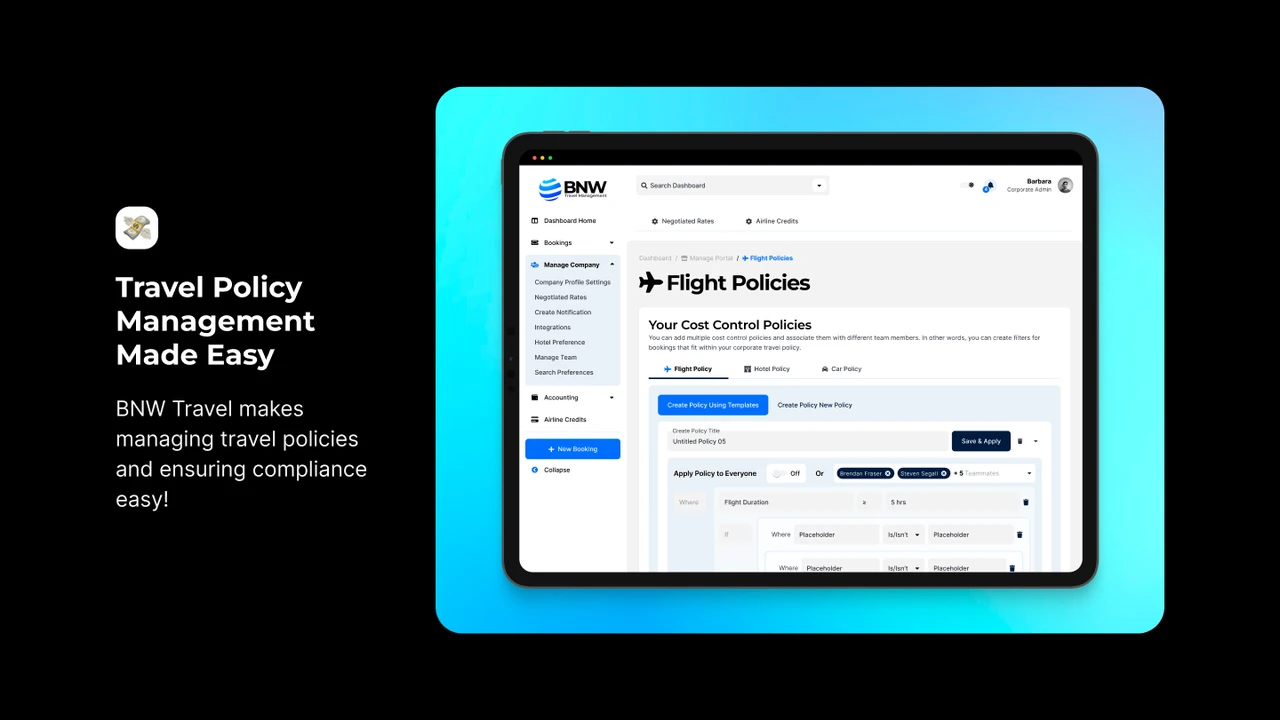
These platforms combine travel booking, expense reporting, and policy enforcement into a single system. They can be configured to handle multi-currency transactions, apply different per diem rates based on location, and flag out-of-policy spending. They also provide valuable data analytics on travel patterns and costs.
Recommended Products:
- SAP Concur: A market leader, Concur offers comprehensive travel and expense management. It excels in handling complex global policies, multi-currency support, and integration with various ERP systems. Its TripIt Pro feature also provides real-time travel alerts. Concur's strength lies in its scalability for large enterprises with diverse global operations. Pricing is typically subscription-based, varying significantly based on company size and modules used, often starting from a few dollars per user per month for basic expense, scaling up for full travel management. It's best for companies needing robust reporting and integration capabilities.
- Expensify: Known for its user-friendly interface and SmartScan technology for receipt capture. Expensify is great for small to medium-sized businesses (SMBs) and offers strong multi-currency support. It integrates well with accounting software like QuickBooks and Xero. While it has travel booking features, its core strength is expense management. Pricing starts with a free tier for individuals, with team plans typically around $5-9 per user per month, making it a cost-effective option for simpler needs.
- TravelPerk: Focuses on providing a seamless travel booking experience with integrated expense management. TravelPerk offers 24/7 support and a unique 'FlexiPerk' option for refundable bookings. It's particularly strong for companies prioritizing employee experience and flexibility. It supports global travel and multi-currency. Pricing is often transaction-based or a monthly fee per active user, with various tiers offering different levels of service and features. It's ideal for companies with frequent international travelers who value flexibility and support.
Global Mobility Software for Immigration and Tax Compliance
Specialized global mobility software helps manage the complex immigration and tax aspects of international assignments and cross-border commuting. These tools can track visa statuses, manage tax equalization calculations, and ensure compliance with local regulations.
Recommended Products:
- Topia: A comprehensive global mobility management platform that covers everything from immigration and tax compliance to compensation and relocation. Topia provides a unified view of your global workforce, helping manage the complexities of cross-border movements. It's designed for large enterprises with significant international employee populations. Pricing is enterprise-level, customized based on the scope of deployment and number of employees managed. It's best for companies needing an end-to-end solution for complex global mobility programs.
- Equus Software (AssignmentPro): Another leading global mobility solution, AssignmentPro helps manage the entire lifecycle of international assignments, including compliance, compensation, and vendor management. It offers robust reporting and analytics. Similar to Topia, it caters to larger organizations with sophisticated global mobility needs. Pricing is custom, based on the client's specific requirements and scale. It's ideal for organizations with established global mobility programs looking for deep functionality and integration.
- Immigration Software (e.g., INSZoom, VisaPro): While not full global mobility suites, these focus specifically on immigration case management. They help track visa applications, deadlines, and document management, which is crucial for cross-border commuters. These are often used by legal firms but can also be adopted by in-house HR/mobility teams. Pricing varies widely, from per-case fees to monthly subscriptions, depending on the provider and volume. These are suitable for companies primarily focused on streamlining immigration processes.
Real Time Location Tracking and Emergency Response Systems
For duty of care, systems that can track employee locations (with consent) and provide real-time alerts in case of emergencies are invaluable. These can integrate with travel booking data to know where employees are expected to be.
Recommended Products:
- International SOS: Not just a software, but a comprehensive medical and security assistance provider. They offer a platform for tracking travelers, providing real-time alerts, and offering direct medical and security assistance globally. Their services are invaluable for duty of care. Pricing is typically an annual membership fee based on the number of employees and level of service. It's a premium service for companies prioritizing robust duty of care and emergency response.
- Everbridge: A critical event management platform that can be used for mass notifications and incident management, including tracking employee locations during emergencies. It integrates with various data sources to provide a unified operational picture. Pricing is enterprise-level, based on modules and scale. It's suitable for companies needing a comprehensive crisis communication and management system.
- Safeture: A travel risk management platform that provides real-time travel alerts, country information, and a communication channel for employees. It allows companies to track their travelers and send targeted messages during incidents. Pricing is subscription-based, often per traveler per month. It's a good option for companies looking for a dedicated travel risk management solution with strong communication features.
Training and Communication for Cross Border Commuters
Even the best policy is ineffective if employees don't understand it. Comprehensive training and ongoing communication are vital.
Employee Training Programs for International Travel Policies
Develop mandatory training programs for all cross-border commuters. This training should cover:
- The specific immigration and visa requirements.
- Tax implications and how to manage them.
- Duty of care protocols and emergency procedures.
- Expense reporting guidelines and use of technology platforms.
- Cultural sensitivity and local customs in the commuting country.
Use a mix of online modules, webinars, and in-person sessions to deliver this training effectively.
Regular Updates and Policy Revisions for Global Mobility
International regulations, tax laws, and security situations are constantly changing. Your policy must be a living document. Establish a schedule for regular reviews and updates (e.g., annually or bi-annually). Communicate any changes clearly and promptly to all affected employees. Consider creating a dedicated internal portal or knowledge base where employees can easily access the latest version of the policy and relevant resources.
Building a Future Proof Cross Border Commuting Policy
As global work models continue to evolve, so too must your travel policy. By proactively addressing the complexities of cross-border commuting, you can ensure compliance, optimize costs, and most importantly, support the well-being and productivity of your valuable international workforce. Remember, a well-crafted policy isn't just about rules; it's about enabling your business to thrive in a truly globalized world.
:max_bytes(150000):strip_icc()/277019-baked-pork-chops-with-cream-of-mushroom-soup-DDMFS-beauty-4x3-BG-7505-5762b731cf30447d9cbbbbbf387beafa.jpg)