Crafting a travel policy that respects and accommodates diverse cultural norms and business practices.
Advertisement
Crafting a travel policy that respects and accommodates diverse cultural norms and business practices.
Understanding Cultural Nuances in Business Travel
When your team travels globally, it's not just about booking flights and hotels. It's about navigating a complex web of cultural norms, unspoken rules, and business etiquette that can make or break a deal, or even impact an employee's safety and well-being. A one-size-fits-all travel policy, while seemingly efficient, often falls short in a world where a handshake in one country is a bow in another, and punctuality can mean anything from 'on the dot' to 'within the hour'.
This article dives deep into how to build a travel policy that's flexible enough to embrace these differences, ensuring your employees are not only compliant but also culturally intelligent and effective wherever they go. We'll look at practical examples, discuss the pitfalls of ignoring cultural diversity, and recommend tools that can help you manage this intricate aspect of global business travel.
Why Cultural Sensitivity in Travel Policy Matters for Global Business
Ignoring cultural nuances in your travel policy isn't just about being polite; it has tangible business implications. Misunderstandings can lead to lost opportunities, damaged relationships, and even legal issues. For instance, dress codes vary wildly. In some regions, casual attire might be acceptable for business meetings, while in others, it's a sign of disrespect. Similarly, gift-giving, dining etiquette, and communication styles differ significantly.
Consider the impact on employee well-being. An employee unaware of local customs might inadvertently offend someone, leading to an uncomfortable or even hostile situation. This can cause stress, reduce productivity, and make future business trips less appealing. A culturally aware travel policy, on the other hand, empowers your employees, making them more confident, effective, and safer travelers.
Key Cultural Dimensions to Consider in Your Travel Policy
When drafting or revising your travel policy, think about these key cultural dimensions and how they might influence your guidelines:
Communication Styles and Travel Policy Guidelines
* **Direct vs. Indirect Communication:** Some cultures prefer direct, explicit communication, while others rely on subtle cues and indirect language. Your policy might encourage pre-trip briefings on local communication styles.
* **High-Context vs. Low-Context Cultures:** In high-context cultures, much of the meaning is conveyed through non-verbal cues and shared understanding. Low-context cultures rely more on explicit verbal communication. This impacts how instructions are given and received.
* **Silence and Interruptions:** The use of silence or the appropriateness of interrupting can vary. Policy could advise on observing local meeting etiquette.
Business Etiquette and Professional Conduct in Travel Policy
* **Greetings and Introductions:** Handshakes, bows, or other forms of greeting. Policy could recommend researching local customs.
* **Dress Codes:** Formal, business casual, or specific traditional attire. Provide clear guidelines or resources for research.
* **Punctuality:** The perception of time varies. 'On time' in one culture might be 'early' or 'late' in another. Policy could advise on arriving early for meetings in certain regions.
* **Gift-Giving:** When, what, and how to give or receive gifts. This is often a minefield without proper guidance.
* **Dining Etiquette:** Table manners, toasts, ordering, and who pays. Policy could offer resources for understanding local dining norms.
Social Norms and Personal Interactions in Travel Policy
* **Personal Space:** The comfortable distance between individuals during conversations.
* **Gender Roles and Interactions:** How men and women interact in professional and social settings.
* **Religious and Spiritual Practices:** Awareness of local religious holidays, dietary restrictions, and prayer times.
* **Taboos and Sensitive Topics:** Subjects to avoid in conversation.
Safety and Security Considerations in Culturally Diverse Regions
* **Local Laws and Customs:** What might be legal or acceptable in one country could be illegal or highly offensive in another. This includes everything from alcohol consumption to public displays of affection.
* **Political and Social Climate:** Understanding local sensitivities and avoiding situations that could be perceived as disrespectful or provocative.
* **Dress and Appearance:** How personal appearance can impact safety and respect in different cultural contexts.
Integrating Cultural Awareness into Your Travel Policy Framework
So, how do you actually weave these cultural considerations into a practical travel policy? It's not about writing a 500-page manual for every country, but rather building a framework that encourages awareness and provides resources.
Pre-Trip Cultural Briefings and Training for Travelers
* **Mandatory Online Modules:** For high-frequency destinations, consider short, interactive online modules covering essential cultural dos and don'ts.
* **Country-Specific Guides:** Provide access to detailed country guides (digital or physical) that cover business etiquette, social norms, safety tips, and communication styles.
* **Expert-Led Workshops:** For senior executives or teams undertaking critical international assignments, consider bringing in cultural experts for tailored workshops.
Flexible Spending and Expense Guidelines for Cultural Practices
* **Gift Allowances:** Include a specific allowance for business gifts, acknowledging that this is a common practice in many cultures.
* **Entertainment Budgets:** Allow for appropriate entertainment expenses that align with local business practices, such as hosting dinners or attending cultural events.
* **Transportation Choices:** In some cultures, taking a specific type of transport (e.g., a private car vs. public transport) might be expected for business meetings.
Communication and Support Channels for Cultural Queries
* **Dedicated Cultural Resource Person:** Designate someone within HR or the travel department who can answer cultural questions or direct employees to appropriate resources.
* **Travel Management Company (TMC) Support:** Ensure your TMC can provide cultural insights and support for specific destinations.
* **Peer-to-Peer Knowledge Sharing:** Encourage employees who have traveled to certain regions to share their experiences and tips with colleagues.
Duty of Care and Cultural Sensitivity in Emergency Protocols
* **Culturally Appropriate Emergency Contacts:** Ensure emergency contacts and support services are culturally sensitive and accessible.
* **Communication in Crisis:** Train employees on how to communicate effectively in a crisis, considering potential language barriers and cultural responses to stress.
* **Local Law Enforcement Interaction:** Provide guidance on interacting with local authorities, respecting their procedures and cultural norms.
Tools and Resources to Enhance Cultural Awareness in Travel Policies
Several platforms and services can help you integrate cultural awareness into your travel policy and support your global travelers. Here are a few examples, keeping in mind that pricing and features can vary.
1. Culture Intelligence Platforms and Training Solutions
These platforms offer comprehensive cultural training and resources, often tailored to specific countries or regions.
* **Hofstede Insights:**
* **Description:** Based on Geert Hofstede's renowned cultural dimensions theory, this platform provides deep insights into national cultures. It offers country comparisons, online training modules, and consulting services.
* **Use Case:** Ideal for pre-trip cultural briefings, understanding negotiation styles, and managing diverse teams. You can use their country comparison tool to highlight potential cultural clashes or synergies.
* **Comparison:** More academic and theory-driven than some practical guides, but provides a strong foundational understanding of cultural drivers.
* **Pricing:** Offers free basic country comparisons. More in-depth reports, online courses, and consulting services are paid, with prices varying based on scope (e.g., a single online course might be a few hundred dollars, while corporate training packages are custom-quoted).
* **Commisceo Global:**
* **Description:** Provides a vast library of country-specific cultural guides, online training, and cross-cultural consulting. Their guides cover business etiquette, communication, social customs, and more.
* **Use Case:** Excellent for quick reference before a trip, or for integrating into your pre-trip checklist. Their 'Culture Smart!' series is particularly popular for practical advice.
* **Comparison:** Very practical and user-friendly, focusing on actionable advice for travelers. Less theoretical than Hofstede, more 'how-to'.
* **Pricing:** Individual country guides can be purchased for around $10-20. Online training modules and corporate solutions are custom-quoted, often ranging from hundreds to thousands of dollars depending on the number of users and content depth.
2. Global Travel Risk Management Platforms with Cultural Insights
These platforms combine safety and security with cultural awareness, often providing real-time alerts and advice.
* **International SOS (ISOS):**
* **Description:** A leading global provider of medical and security assistance, ISOS also offers extensive country information, including cultural advice, local laws, and health considerations. Their app provides real-time alerts and access to assistance.
* **Use Case:** Critical for duty of care. Employees can access cultural tips alongside security warnings, ensuring they are both safe and respectful.
* **Comparison:** Comprehensive, integrating medical, security, and cultural information into one platform. More focused on risk mitigation than pure cultural training.
* **Pricing:** Enterprise-level solution, typically requires a corporate contract. Pricing is based on the number of employees, services utilized (medical, security, travel tracking), and global footprint. Can range from tens of thousands to hundreds of thousands of dollars annually for large corporations.
* **WorldAware (now part of Everbridge):**
* **Description:** Offers intelligence, technology, and response services for global risk management. Their platform provides detailed country reports, including cultural nuances, political stability, and safety advice.
* **Use Case:** Similar to ISOS, it helps organizations fulfill their duty of care by providing employees with comprehensive pre-trip and in-trip information, including cultural sensitivities.
* **Comparison:** Strong focus on intelligence and predictive analytics for risk. Integrates well with emergency communication systems.
* **Pricing:** Enterprise solution, custom-quoted based on organizational size, scope of services, and integration needs. Similar pricing structure to International SOS.
3. Online Language Learning Platforms with Cultural Context
While not directly a travel policy tool, encouraging language learning with cultural context can significantly enhance a traveler's experience and effectiveness.
* **Duolingo:**
* **Description:** A popular free language-learning app that incorporates cultural notes and phrases. While basic, it can help travelers pick up essential greetings and understand common social situations.
* **Use Case:** Great for employees to learn basic phrases and get a feel for a language's cultural context before a trip.
* **Comparison:** Free and accessible, but less in-depth for business-specific cultural nuances compared to dedicated cultural training platforms.
* **Pricing:** Free with ads; Duolingo Plus subscription removes ads and allows offline access for about $6.99/month.
* **Rosetta Stone:**
* **Description:** Known for its immersive language learning approach, Rosetta Stone often includes cultural lessons and real-life scenarios that help learners understand context.
* **Use Case:** For employees who will be spending extended periods in a country or need to conduct business in the local language.
* **Comparison:** More comprehensive than Duolingo for language acquisition, with better cultural integration than many other language apps.
* **Pricing:** One-time purchase for lifetime access to all languages is around $199-299. Subscriptions are also available, typically starting from $11.99/month.
Implementing and Communicating Your Culturally Aware Travel Policy
Having a great policy on paper is one thing; getting your employees to embrace it is another. Effective implementation and communication are key.
Clear and Accessible Policy Documentation
* **Centralized Hub:** Create a dedicated section on your company intranet or a travel portal where the policy and all related cultural resources are easily accessible.
* **User-Friendly Language:** Avoid jargon. Write the policy in clear, concise language that is easy to understand for all employees, regardless of their background.
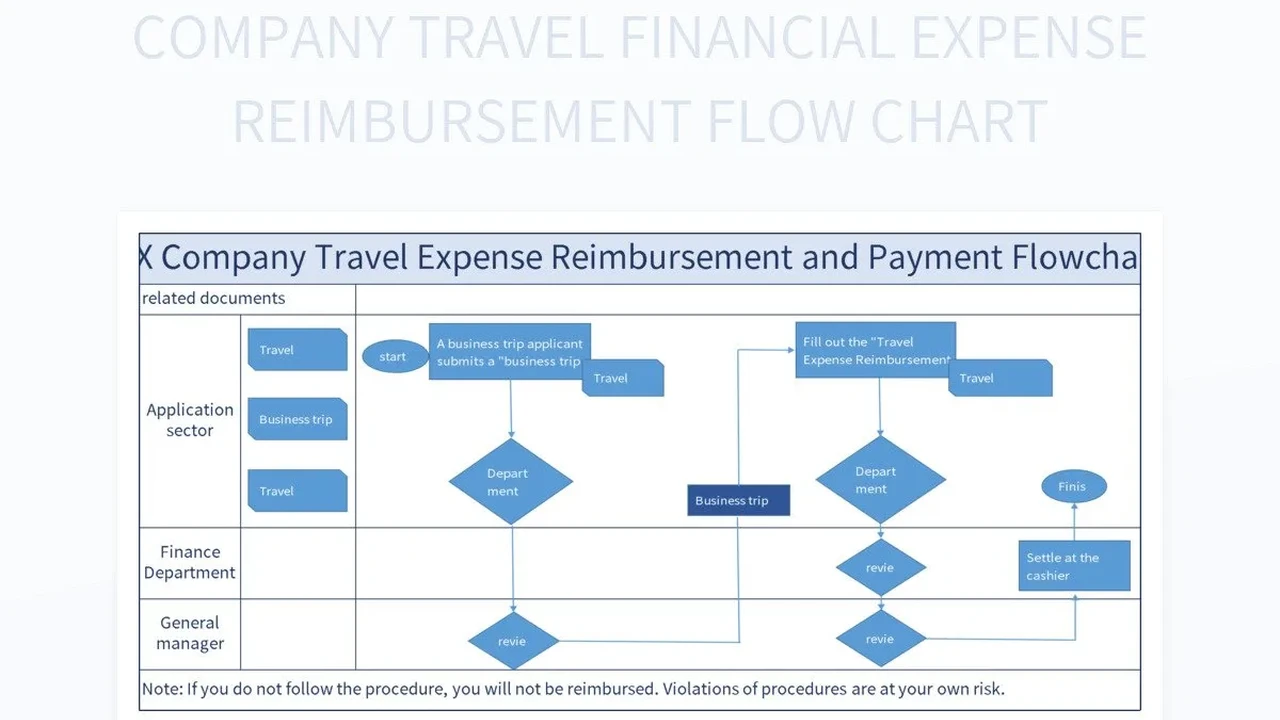
* **Visual Aids:** Use infographics, flowcharts, and short videos to explain complex cultural concepts or policy procedures.
Regular Training and Refreshers
* **Onboarding for New Hires:** Integrate cultural awareness into the onboarding process for any employee who might travel internationally.
* **Pre-Trip Reminders:** Send automated reminders with links to relevant cultural guides a few weeks before an international trip.
* **Annual Refreshers:** Conduct annual training sessions or webinars to keep employees updated on evolving cultural norms or new policy guidelines.
Feedback Mechanisms and Continuous Improvement
* **Post-Trip Surveys:** Include questions about cultural challenges or insights in post-trip surveys to gather valuable feedback.
* **Open Door Policy:** Encourage employees to share their cultural experiences and suggest improvements to the policy or resources.
* **Regular Review:** Periodically review and update your travel policy based on employee feedback, changes in global events, and evolving cultural landscapes.
Case Studies and Real-World Examples of Cultural Policy Success
Imagine a tech company sending a team to Japan. Their travel policy, informed by cultural awareness, advises on the importance of exchanging business cards with both hands, bowing slightly, and avoiding direct eye contact during initial meetings. It also provides a small budget for appropriate gifts for hosts. This seemingly small detail can build trust and rapport, leading to a successful partnership.
Conversely, a manufacturing company sends a sales rep to a Middle Eastern country without any cultural briefing. The rep, unaware of local customs, inadvertently shakes hands with a female client without waiting for her lead, and discusses business over a meal during a religious fasting period. These missteps, though unintentional, can be perceived as highly disrespectful, jeopardizing the business relationship.
These examples highlight that cultural awareness isn't just a 'nice-to-have'; it's a strategic imperative for global businesses. By embedding cultural sensitivity into your travel policy, you're not just protecting your employees; you're empowering them to be effective global ambassadors for your organization.
:max_bytes(150000):strip_icc()/277019-baked-pork-chops-with-cream-of-mushroom-soup-DDMFS-beauty-4x3-BG-7505-5762b731cf30447d9cbbbbbf387beafa.jpg)