Addressing the unique challenges and considerations when developing travel policies for emerging economies.
Advertisement
Addressing the unique challenges and considerations when developing travel policies for emerging economies.
Travel Policy for Emerging Markets Challenges
Navigating the Complexities of Emerging Economies Travel Policy
Traveling for business in emerging markets presents a unique set of challenges that can significantly impact your company's travel policy. Unlike established economies with predictable infrastructure and regulations, emerging markets often come with a higher degree of uncertainty. This isn't just about the occasional bumpy road; it's about navigating vastly different legal frameworks, varying safety standards, fluctuating currencies, and diverse cultural norms. For businesses expanding into or operating within these regions, a one-size-fits-all travel policy simply won't cut it. You need a policy that is flexible, robust, and specifically tailored to address the inherent complexities. Ignoring these nuances can lead to increased costs, security risks, compliance issues, and a negative impact on employee well-being. So, let's dive deep into what makes travel policies for emerging markets so challenging and, more importantly, how to build a resilient framework.
Understanding the Unique Landscape of Emerging Markets Travel Risks
When we talk about emerging markets, we're often referring to countries in Southeast Asia, parts of Latin America, Africa, and Eastern Europe. Each region, and indeed each country within those regions, has its own distinct characteristics. However, some common challenges emerge across the board. First off, infrastructure can be a major hurdle. This includes everything from unreliable transportation networks to inconsistent internet connectivity. Imagine your sales team trying to close a deal in a remote area with no stable internet or a delayed flight due to underdeveloped airport facilities. These aren't just inconveniences; they can directly impact productivity and business outcomes. Secondly, security concerns are often heightened. This can range from petty crime to more serious issues like political instability or health crises. Your duty of care obligations to your employees become even more critical in these environments. Thirdly, regulatory and legal frameworks can be opaque and constantly evolving. What's permissible one day might be illegal the next, and understanding local labor laws, tax implications, and visa requirements can be a minefield. Lastly, cultural differences play a huge role. Business etiquette, communication styles, and even dining customs can vary wildly, and a lack of cultural sensitivity can lead to misunderstandings or even offense.
Key Considerations for Your Emerging Markets Travel Policy Framework
Building an effective travel policy for emerging markets requires a proactive and comprehensive approach. Here are some critical areas to focus on:
Enhanced Duty of Care and Traveler Safety Protocols
This is paramount. Your travel policy must explicitly outline robust safety measures. This includes pre-trip risk assessments for specific destinations, real-time threat monitoring, and clear emergency response plans. Consider mandating the use of reputable, vetted transportation providers and accommodation. Provide employees with access to 24/7 emergency assistance and ensure they know how to use it. Training on local safety practices, emergency contacts, and cultural awareness is also crucial. For instance, in some regions, it might be safer to avoid certain areas after dark or to dress modestly. Your policy should reflect these nuances.
Flexible Booking and Accommodation Guidelines for Emerging Markets
Standard booking platforms might not always offer the best or safest options in emerging markets. Your policy should allow for flexibility in booking channels, potentially including local travel agencies with expertise in the region. For accommodation, prioritize safety and security over cost alone. While budget hotels might be tempting, they often lack the security features of international chains. Your policy might specify preferred hotel chains known for their global safety standards, even if they come at a slightly higher price point. It's about balancing cost with risk.
Managing Currency Fluctuations and Expense Reporting in Volatile Economies
Currency volatility can wreak havoc on budgets. Your policy should provide clear guidelines on currency exchange, preferred payment methods (e.g., corporate credit cards vs. cash advances), and expense reporting in multiple currencies. Consider setting clear per diem rates that account for local cost of living and potential inflation. Tools that automatically convert currencies and track expenses in real-time can be invaluable here. This minimizes discrepancies and simplifies reconciliation.
Compliance with Local Regulations and Visa Requirements for International Travel
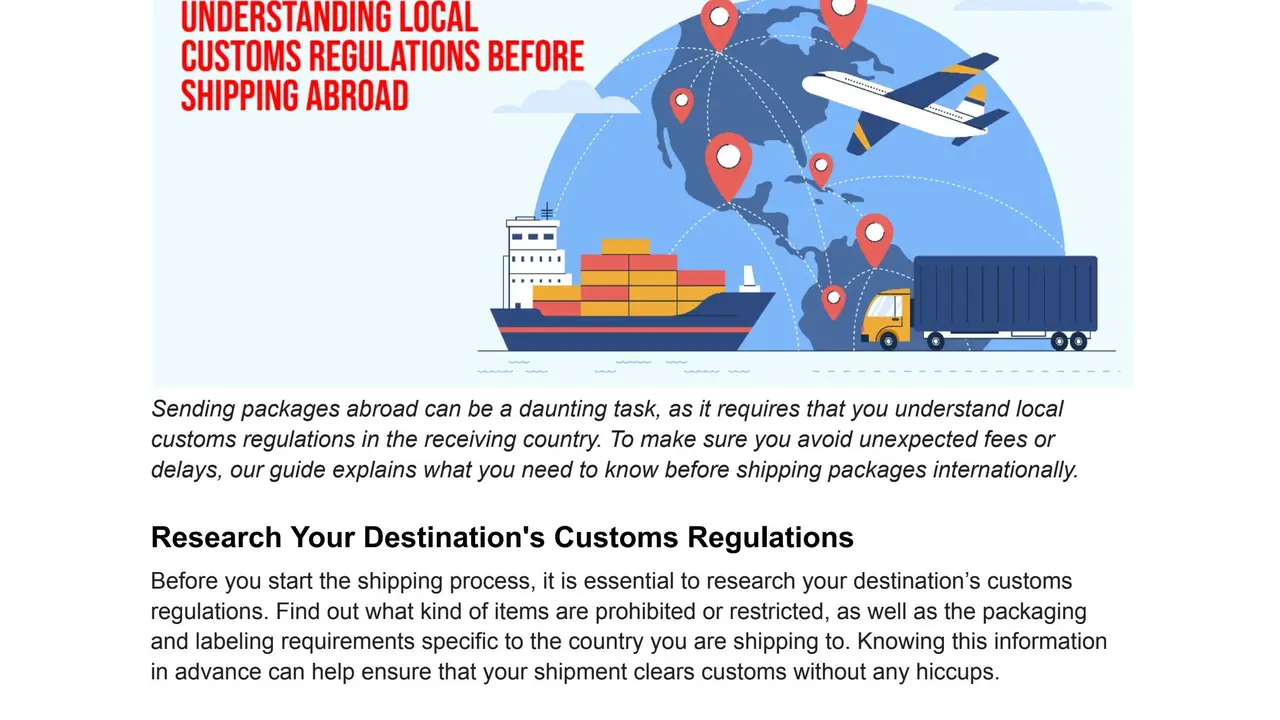
Navigating the labyrinth of local laws, tax regulations, and visa requirements is a significant challenge. Your policy must clearly outline the process for obtaining necessary visas and work permits, ensuring compliance with local labor laws, and understanding any tax implications for employees working temporarily in a foreign country. Partnering with legal experts or global mobility specialists can help ensure your policy remains compliant and avoids costly penalties.
Communication and Connectivity Strategies for Remote Locations
Reliable communication is vital for safety and productivity. Your policy should address how employees will stay connected, especially in areas with limited infrastructure. This might include providing satellite phones, local SIM cards, or portable Wi-Fi devices. Clear communication protocols for check-ins, emergencies, and reporting issues should be established. What happens if an employee loses their phone or can't access the internet? Your policy needs answers.
Recommended Tools and Platforms for Emerging Markets Travel Management
To effectively manage travel in emerging markets, leveraging the right technology is crucial. Here are some categories of tools and specific product recommendations that can significantly enhance your travel policy's effectiveness:
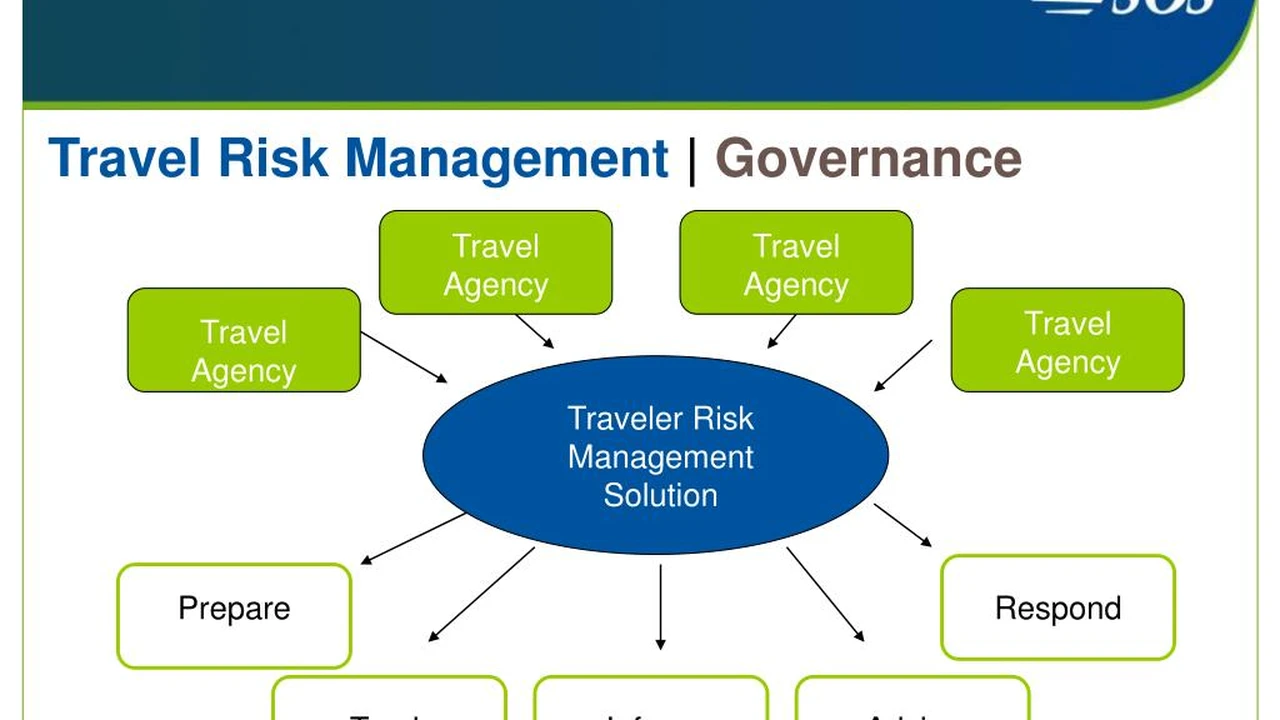
Global Travel Risk Management Platforms for Enhanced Safety
These platforms provide real-time intelligence, tracking, and emergency assistance. They are indispensable for duty of care in high-risk areas.
* International SOS (ISOS): This is a gold standard for global travel risk management. ISOS offers comprehensive medical and security assistance services, real-time alerts, and a global network of clinics and security experts. They provide pre-travel advice, in-country support, and emergency evacuation services. Their platform integrates with travel booking systems to automatically enroll travelers and provide location-based intelligence. Pricing is typically enterprise-level, based on the number of employees and the scope of services, often ranging from tens of thousands to hundreds of thousands of dollars annually for comprehensive packages. Their value lies in their global reach and immediate response capabilities.
* Crisis24 (formerly WorldAware): Crisis24 offers intelligence-driven risk management solutions, including real-time alerts, travel tracking, and security consulting. They focus on providing actionable intelligence to help organizations make informed decisions about traveler safety. Their platform allows for customized alerts based on specific threats and locations. Similar to ISOS, pricing is tailored to organizational size and service needs, making it a significant investment for robust global coverage.
* Everbridge: While not exclusively a travel risk platform, Everbridge is a critical event management system that can be highly effective for traveler safety. It allows organizations to send mass notifications, track employee locations (with consent), and manage emergency responses. It's particularly strong for communication during crises. Everbridge offers various modules, with pricing varying widely based on features and user count, often starting from a few thousand dollars per month for enterprise solutions.
Integrated Travel and Expense Management Software for Streamlined Operations
These platforms help manage bookings, expenses, and policy compliance in one place, crucial for complex international travel.
* SAP Concur: A widely used integrated travel and expense management solution. Concur allows employees to book travel within policy, capture receipts digitally, and submit expense reports. It supports multiple currencies and integrates with various travel providers. For emerging markets, its ability to enforce pre-trip approvals and provide visibility into spending is invaluable. Concur's pricing is subscription-based, typically per user per month, with various tiers. For larger enterprises, it can range from $20-$50+ per user per month, depending on modules and volume.
* TripActions (now Navan): Navan offers a modern, user-friendly platform that combines corporate travel booking, expense management, and corporate card solutions. It provides real-time policy enforcement and a strong focus on traveler experience. Its global capabilities and ability to handle complex itineraries make it suitable for emerging markets. Navan's pricing is also subscription-based, often with a per-user fee or a percentage of travel spend, making it competitive for companies seeking a more integrated approach.
* Rydoo: Rydoo focuses on simplifying expense management and travel booking. It's known for its intuitive mobile app and ability to automate expense reporting. While perhaps not as comprehensive as Concur for large-scale global travel management, it's a strong contender for companies looking for a more agile and user-friendly solution, especially for expense capture in diverse environments. Rydoo offers tiered pricing, often starting from a few dollars per user per month for basic expense management, scaling up for travel booking features.
Local Connectivity Solutions for Reliable Communication
Ensuring employees can communicate reliably is non-negotiable, especially where Wi-Fi is scarce or unreliable.
* Airalo (eSIMs): Airalo provides eSIMs for various countries, offering affordable local data plans without needing a physical SIM card. This is incredibly convenient for travelers, allowing them to stay connected immediately upon arrival. Pricing is pay-as-you-go, based on data packages (e.g., $5 for 1GB in Thailand, $10 for 3GB in Vietnam), making it very cost-effective for individual trips.
* Skyroam Solis (Portable Wi-Fi Hotspot): For areas with less reliable mobile networks or for teams traveling together, a portable Wi-Fi hotspot like Skyroam Solis can provide consistent internet access. It uses virtual SIM technology to connect to the best available network. Devices cost around $150-$200, with data plans ranging from daily passes ($9-$12) to monthly subscriptions ($99+ for unlimited data).
* Satellite Phones (e.g., Iridium, Inmarsat): For extremely remote or high-risk areas where traditional cellular networks are non-existent, satellite phones are a must. They offer reliable voice and sometimes data communication anywhere on Earth. Devices are expensive (from $800 to $2000+), and airtime is also costly (e.g., $1-$2 per minute), but they provide an unparalleled level of emergency communication capability.
Cultural Awareness and Language Training Resources
These resources help employees navigate cultural nuances and avoid misunderstandings.
* Culture Smart! Guides: These book series offer concise, practical guides to cultural etiquette, customs, and communication styles for various countries. They are affordable (around $10-$15 per book) and provide essential pre-trip reading.
* Rosetta Stone / Duolingo (Language Learning Apps): While not directly policy tools, encouraging employees to learn basic phrases can significantly enhance their experience and safety. Rosetta Stone offers comprehensive language courses (subscription-based, often $100-$200 per year), while Duolingo is free with premium options.
* Cross-Cultural Training Consultants: For more in-depth training, especially for employees on long-term assignments, engaging professional cross-cultural trainers can be highly beneficial. These services are typically bespoke and can range from a few hundred to several thousand dollars per session, depending on the depth and duration.
Implementing and Communicating Your Emerging Markets Travel Policy Effectively
Having a robust policy is only half the battle; effective implementation and communication are equally vital. First, ensure your policy is easily accessible and understandable. Avoid overly legalistic jargon. Use clear, concise language and provide examples where necessary. Secondly, conduct mandatory pre-trip briefings for all employees traveling to emerging markets. These briefings should cover safety protocols, cultural nuances, emergency procedures, and how to use any provided technology. Thirdly, establish clear channels for feedback. Encourage employees to report any issues or suggestions for improvement. This iterative process ensures your policy remains relevant and effective. Finally, regularly review and update your policy. Emerging markets are dynamic, and what was true yesterday might not be true tomorrow. Stay informed about geopolitical changes, health advisories, and infrastructure developments. Your travel policy should be a living document, evolving with the world around it.
The Bottom Line for Emerging Markets Travel Policy
Managing business travel in emerging markets is undoubtedly complex, but with a well-thought-out, flexible, and technology-supported travel policy, you can mitigate risks, ensure employee safety, and optimize costs. It's about being prepared, proactive, and prioritizing the well-being of your travelers. By investing in the right tools and fostering a culture of awareness and compliance, your organization can confidently navigate the unique challenges and unlock the vast opportunities that emerging economies present.

:max_bytes(150000):strip_icc()/277019-baked-pork-chops-with-cream-of-mushroom-soup-DDMFS-beauty-4x3-BG-7505-5762b731cf30447d9cbbbbbf387beafa.jpg)