Travel Policy for Geofencing and Location Tracking
{ "article": [ { "title": "Travel Policy for Geofencing and Location Tracking", "meta_description": "Exploring the use of geofencing technology for travel policy compliance and duty of care.", "content": "Exploring the use of geofencing technology for travel policy compliance and duty of care.\n\n
\n\n
Understanding Geofencing in Corporate Travel Management
\n\nAlright, let's dive into something that sounds a bit futuristic but is actually becoming quite common in the world of corporate travel: geofencing and location tracking. You might be thinking, 'Is this Big Brother watching?' And while that's a valid concern, in the context of business travel, it's primarily about two things: making sure everyone's playing by the rules (compliance) and, more importantly, keeping your employees safe (duty of care). It's about setting up virtual boundaries and knowing where your team is when they're on the clock and on the road.
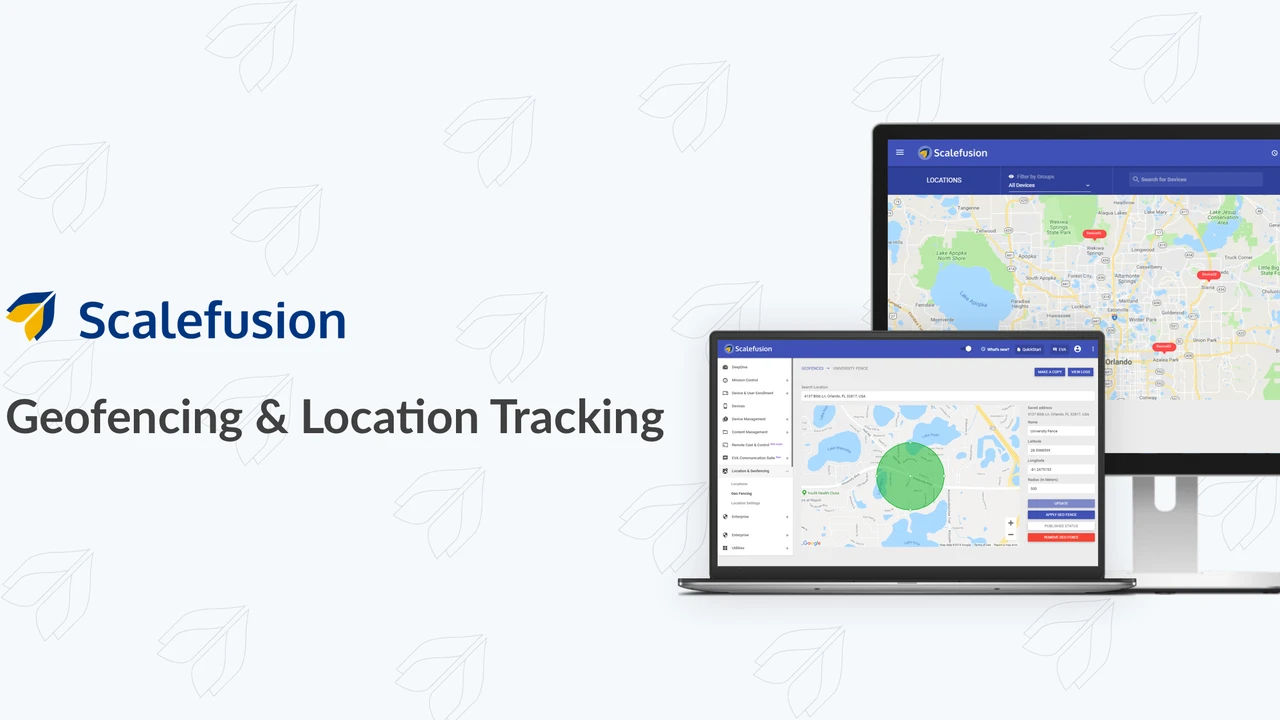
\n\nSo, what exactly is geofencing? Imagine drawing an invisible fence around a specific geographical area using GPS or RFID technology. When a device (like a smartphone or a company-issued tracker) enters or exits that virtual fence, it triggers an alert or an action. In corporate travel, this could mean setting up a geofence around a conference venue, a client's office, or even a high-risk area. Location tracking, on the other hand, is pretty self-explanatory: it's the ability to pinpoint the real-time location of a device. When these two technologies work together, they offer powerful tools for managing business travel.
\n\nThe primary drivers for adopting these technologies in travel policies are clear. First, compliance. Are employees staying within approved travel zones? Are they adhering to designated routes or preferred vendor locations? Geofencing can provide automated checks. Second, and arguably more critical, is duty of care. In an emergency – a natural disaster, a security incident, or even a medical emergency – knowing an employee's last known location can be life-saving. It allows companies to quickly locate and assist their travelers, fulfilling their moral and legal obligations.
\n\nKey Benefits of Implementing Geofencing for Travel Policy Compliance
\n\nLet's talk about the good stuff – the real advantages of baking geofencing into your travel policy. It's not just about tracking; it's about efficiency, safety, and smart management.
\n\nEnhanced Policy Adherence and Expense Control
\n\nOne of the biggest headaches for travel managers is ensuring employees stick to the travel policy. Did they book a hotel outside the approved district? Did they take a taxi when public transport was mandated for short distances? Geofencing can help automate these checks. For instance, you can set up a geofence around your preferred hotel chain's locations. If an employee tries to expense a hotel outside that fence, the system can flag it automatically, prompting a review or even denying the expense. This reduces manual auditing, saves time, and ensures consistent application of your policy, ultimately leading to better expense control.
\n\nImproved Duty of Care and Traveler Safety
\n\nThis is where geofencing truly shines. Imagine a scenario where a city experiences unexpected civil unrest or a natural disaster. If your employees are traveling there, knowing their exact location becomes paramount. Geofencing allows you to define 'safe zones' and 'restricted zones.' If a traveler enters a restricted zone, an alert can be triggered, allowing your security team to reach out immediately. Conversely, if they are within a safe zone during an incident, you can quickly confirm their safety. Many systems also allow for 'check-in' features within geofenced areas, providing an extra layer of reassurance for both the traveler and the company. This proactive approach to safety significantly enhances your duty of care responsibilities.
\n\nReal Time Visibility and Emergency Response
\n\nGone are the days of frantically calling employees or relying on their last email to figure out where they are. With real-time location tracking, you have an immediate overview of your traveling workforce. This visibility is invaluable during emergencies. If a traveler's device stops moving in an unexpected location, or if they deviate significantly from their planned itinerary, alerts can be sent. This allows for rapid response, whether it's dispatching assistance, contacting local authorities, or simply checking in on the employee's well-being. It's about being prepared for the unexpected and having the tools to act swiftly.
\n\nOptimized Travel Planning and Route Management
\n\nBeyond just tracking, geofencing can also inform better travel planning. By analyzing travel patterns within geofenced areas, you can identify common routes, peak travel times, and areas where employees frequently deviate from policy. This data can then be used to refine your travel policy, optimize preferred vendor agreements, and even suggest more efficient routes or modes of transport. For example, if many employees are taking long taxi rides within a geofenced city center, it might indicate a need for better public transport guidance or a review of per-mile allowances.
\n\nPotential Challenges and Ethical Considerations for Location Tracking
\n\nNow, it's not all sunshine and rainbows. While the benefits are clear, there are some significant hurdles and ethical dilemmas to navigate when implementing geofencing and location tracking.
\n\nPrivacy Concerns and Employee Trust
\n\nThis is probably the biggest elephant in the room. Employees might feel like their privacy is being invaded. No one wants to feel constantly monitored, especially outside of work hours. It's crucial to strike a balance between security and trust. Transparency is key here. Clearly communicate *why* these technologies are being used (duty of care, safety, compliance, not spying), *what* data is being collected, *when* it's being collected (e.g., only during business travel hours), and *who* has access to it. A poorly implemented system can lead to resentment, decreased morale, and even legal challenges.
\n\nData Security and Compliance with Regulations
\n\nCollecting location data means handling sensitive personal information. This brings up major data security concerns. How is this data stored? Is it encrypted? Who has access? A data breach involving employee location data could be catastrophic. Furthermore, you need to be acutely aware of data privacy regulations like GDPR (General Data Protection Regulation) in Europe or CCPA (California Consumer Privacy Act) in the US, and similar laws in Southeast Asia. These regulations dictate how personal data can be collected, processed, and stored. Non-compliance can lead to hefty fines and reputational damage. Ensure your chosen solution is compliant and that your internal processes meet legal requirements.
\n\nTechnical Implementation and Integration Complexities
\n\nImplementing geofencing isn't as simple as flipping a switch. It requires robust technology, often integrating with existing travel management systems, HR platforms, and even emergency response systems. There can be technical glitches, GPS inaccuracies, battery drain issues on devices, and the need for constant maintenance and updates. Ensuring seamless integration and reliable performance can be a significant technical challenge, requiring dedicated IT support and careful planning.
\n\nCost of Implementation and Maintenance
\n\nThese advanced solutions aren't free. There's the initial cost of the software, potential hardware (if you're using dedicated trackers), implementation fees, training for employees and administrators, and ongoing subscription and maintenance costs. For smaller businesses, this can be a significant investment. It's important to conduct a thorough cost-benefit analysis to ensure the investment aligns with your company's budget and risk profile.
\n\nTop Geofencing and Location Tracking Solutions for Corporate Travel
\n\nAlright, let's get to some concrete examples. There are several excellent platforms out there that offer geofencing and location tracking capabilities, often as part of a broader travel risk management or travel management system. Here are a few prominent ones, along with their typical use cases, comparative features, and general pricing models.
\n\n1. International SOS (ISOS)
\n\nUse Case: Primarily focused on comprehensive travel risk management, medical assistance, and security services. Geofencing and location tracking are integral to their duty of care offerings, especially for companies with employees traveling to high-risk areas or frequently across borders.
\n\nFeatures:
\n- Location Tracking: Real-time tracking via their Assistance App (which employees download to their smartphones) or satellite trackers.
- Geofencing: Ability to set up custom geofences around specific locations, cities, or regions. Triggers alerts upon entry/exit.
- Alerts and Notifications: Proactive alerts for security incidents, natural disasters, or health risks in specific locations.
- Emergency Response: 24/7 medical and security assistance, evacuation services, and crisis management.
- Traveler Communication: Two-way communication with travelers via the app.
- Integration: Often integrates with corporate travel booking tools and HR systems.
Comparison: ISOS is a premium, full-service solution. It's not just a tech platform; it's a global network of medical and security professionals. This means their pricing reflects the extensive human support and crisis response capabilities. They are less about granular policy compliance (e.g., 'did they stay at the preferred hotel?') and more about 'are they safe and can we help them if something goes wrong?'
\n\nPricing: Subscription-based, typically enterprise-level. Pricing is highly customized based on the number of travelers, regions covered, and the level of service required (e.g., medical only, security only, or full integrated). Expect annual contracts ranging from tens of thousands to hundreds of thousands of dollars, depending on the scale of your operations. They don't usually publish standard pricing.
\n\n2. Everbridge
\n\nUse Case: A critical event management and enterprise safety platform. While not exclusively for travel, their solutions are heavily used by organizations for employee safety, including business travelers. Their focus is on rapid communication and coordination during emergencies.
\n\nFeatures:
\n- Location Tracking: Opt-in location tracking via their mobile app, often used for 'check-in' features or to confirm safety during incidents.
- Geofencing: Can define geofences for specific areas, triggering alerts for employees entering or leaving.
- Mass Notification: Powerful system for sending targeted alerts and instructions to employees based on their location.
- Risk Intelligence: Integrates with various threat intelligence feeds to provide real-time risk assessments for locations.
- Traveler Tracking: Specific modules for tracking business travelers and providing them with relevant safety information.
- Incident Management: Tools for managing and coordinating responses to critical events.
Comparison: Everbridge is strong on the communication and incident response side. They excel at getting the right message to the right people at the right time, especially location-based. While they offer tracking, it's often more about confirming safety during an event rather than continuous, granular policy compliance tracking. They are highly scalable for large organizations.
\n\nPricing: Enterprise-level, subscription-based. Pricing is customized based on modules selected, number of users, and message volume. Similar to ISOS, expect significant annual costs, likely in the tens to hundreds of thousands of dollars, depending on the complexity and scale of deployment.
\n\n3. SAP Concur (with partner integrations)
\n\nUse Case: While Concur itself is a leading expense and travel management platform, its geofencing and advanced location tracking capabilities often come through integrations with third-party risk management providers. This allows companies to leverage their existing Concur ecosystem for duty of care.
\n\nFeatures (via integration, e.g., with Riskline, Anvil Group, etc.):
- Traveler Itinerary Data: Concur provides the core itinerary data, which is then fed to the risk management partner.
- Location Tracking: The partner's app or platform provides location tracking, often opt-in.
- Geofencing: Risk management partners offer geofencing capabilities for alerts based on itinerary and location.
- Risk Alerts: Real-time alerts based on global events and traveler locations.
- Communication: Ability to communicate with travelers through the integrated platform.
- Consolidated View: A single dashboard often provided by the partner, showing traveler locations and risk levels.
Comparison: Concur's strength is in managing bookings and expenses. For advanced geofencing and duty of care, they rely on a robust partner ecosystem. This can be a benefit (you get best-of-breed solutions) or a challenge (managing multiple vendors). It's a good option if you're already heavily invested in Concur for T&E management.
\n\nPricing: Concur itself has various pricing tiers based on transaction volume and features. The integrated risk management solutions would be an additional subscription from the partner. Concur's base pricing can range from a few dollars per user per month for small businesses to custom enterprise pricing. Partner solutions would add to this, potentially from a few thousand dollars annually for basic risk alerts to much more for comprehensive tracking and response.
\n\n4. TripActions (now Navan)
\n\nUse Case: A modern, AI-driven travel and expense management platform that integrates duty of care features directly. They aim for a seamless user experience while providing robust backend controls.
\n\nFeatures:
- Real-time Traveler Tracking: Built-in location tracking for active trips, often leveraging itinerary data and app-based location.
- Geofencing: Can set up geofences for policy enforcement (e.g., preferred hotel zones) and safety alerts.
- Risk Alerts: Proactive alerts based on global events and traveler locations.
- Communication Hub: Integrated communication tools to reach travelers during incidents.
- Policy Enforcement: Uses AI to guide travelers to policy-compliant options, with real-time alerts for out-of-policy bookings.
- Emergency Support: Offers 24/7 support for travelers.
Comparison: TripActions (Navan) is a strong contender for companies looking for an all-in-one platform that combines booking, expense, and duty of care. Their strength lies in their modern interface, AI-driven recommendations, and integrated approach. They are generally more focused on the entire travel lifecycle, including pre-trip approval and post-trip expense reporting, with duty of care as a core component.
\n\nPricing: Subscription-based, typically per user per month or per transaction. Pricing is customized based on company size and features required. Expect pricing to be competitive with other modern T&E platforms, potentially ranging from $10-$30+ per active user per month, with additional costs for premium duty of care features.
\n\n5. Safeture
\n\nUse Case: A dedicated travel risk management platform that focuses heavily on traveler safety, communication, and location intelligence. Ideal for companies that need a robust, standalone solution for duty of care.
\n\nFeatures:
- Location Tracking: Real-time tracking via their mobile app, with options for passive and active tracking.
- Geofencing: Advanced geofencing capabilities for defining safe zones, risk zones, and triggering alerts.
- Global Risk Intelligence: Comprehensive threat intelligence feeds covering political, security, health, and natural disaster risks.
- Mass Communication: Targeted messaging to travelers based on their location and risk profile.
- Emergency Button: In-app emergency button for travelers to request immediate assistance.
- Traveler Itinerary Integration: Can integrate with various booking systems to automatically import itineraries.
Comparison: Safeture is a specialist in travel risk management. They offer deep functionality in location intelligence, risk assessment, and emergency communication. While they don't handle booking or expense management directly, they integrate well with those systems. They are a strong choice if your primary concern is duty of care and you need a dedicated, feature-rich platform for it.
\n\nPricing: Subscription-based, typically tiered based on the number of active travelers and features. Pricing can range from a few thousand dollars annually for smaller organizations to tens of thousands for larger enterprises, depending on the level of risk intelligence and support required.
\n\nBest Practices for Implementing Geofencing in Your Travel Policy
\n\nSo, you've decided to explore geofencing. Great! But how do you roll it out without causing a revolt? Here are some best practices to ensure a smooth and effective implementation.
\n\nClear Communication and Employee Consent
\n\nThis is non-negotiable. Before you even think about turning on location tracking, you need to have a crystal-clear communication plan. Explain *why* you're doing this (safety, duty of care, compliance). Be transparent about *what* data is collected, *when* it's collected (e.g., only during business travel, not personal time), and *how* it's used. Obtain explicit employee consent, especially for app-based tracking. Provide training on how the system works and address any privacy concerns head-on. A well-informed employee is a more compliant and trusting employee.
\n\nDefine Clear Geofence Boundaries and Triggers
\n\nDon't just randomly draw circles on a map. Your geofences need to be purposeful. Define specific areas relevant to your travel policy: preferred vendor locations, client sites, high-risk zones, or even specific airports. Clearly articulate what triggers an alert (e.g., entering a restricted zone, deviating from a planned route by X miles, staying in a non-preferred hotel). The more precise your definitions, the more effective and less intrusive the system will be.
\n\nIntegrate with Existing Travel Management Systems
\n\nTo avoid creating more work, ensure your geofencing solution integrates seamlessly with your existing travel booking, expense management, and HR systems. This allows for automated data flow, reduces manual entry, and provides a holistic view of your travelers. For example, itinerary data from your booking tool can automatically populate traveler profiles in the geofencing system, making it easier to track and manage.
\n\nEstablish Robust Data Security and Privacy Protocols
\n\nGiven the sensitive nature of location data, data security must be paramount. Work with your IT and legal teams to ensure all data is encrypted, stored securely, and accessed only by authorized personnel. Implement strict access controls and audit trails. Regularly review your data privacy protocols to ensure compliance with evolving regulations (GDPR, CCPA, etc.) and internal policies. Consider data minimization – only collect what you absolutely need.
\n\nRegular Review and Optimization of Your Policy
\n\nYour travel policy, and the technology supporting it, shouldn't be set in stone. Regularly review the effectiveness of your geofencing implementation. Are the alerts useful? Are there too many false positives? Is it genuinely enhancing safety and compliance? Gather feedback from travelers and managers. Use the data collected to identify trends, refine your geofence boundaries, adjust alert thresholds, and optimize your overall travel policy. The goal is continuous improvement, ensuring the system remains relevant, effective, and accepted by your workforce.
\n\nThe Future of Location Tracking in Business Travel
\n\nSo, what's next for geofencing and location tracking in corporate travel? It's a rapidly evolving space, driven by advancements in technology and a growing emphasis on traveler safety and efficiency.
\n\nAI and Predictive Analytics Integration
\n\nImagine a system that doesn't just tell you where your traveler is, but predicts potential risks based on their itinerary, historical data, and real-time global events. AI and machine learning will play a huge role here, moving from reactive alerts to proactive risk mitigation. Predictive analytics could identify 'hot spots' before they become critical, allowing companies to reroute travelers or issue warnings in advance.
\n\nEnhanced Personalization and User Experience
\n\nFuture systems will likely offer even more personalized experiences for travelers. This could mean tailored safety briefings based on their exact location, personalized recommendations for policy-compliant options, or even dynamic geofences that adapt to individual traveler preferences or risk profiles. The focus will be on making the technology feel less like 'tracking' and more like a helpful, intelligent travel assistant.
\n\nIntegration with Wearable Technology and IoT Devices
\n\nBeyond smartphones, we'll see more integration with wearable technology (smartwatches, fitness trackers) and other IoT (Internet of Things) devices. This could provide more granular data points, such as biometric data in emergencies, or even environmental data from smart sensors in vehicles or accommodations. This opens up new possibilities for duty of care, though it also amplifies privacy concerns.
\n\nBlockchain for Secure and Transparent Data Management
\n\nBlockchain technology, with its decentralized and immutable ledger, holds promise for enhancing the security and transparency of location data. It could provide a tamper-proof record of location data, ensuring its integrity and making it easier to audit who accessed what information and when. This could help build trust and address some of the privacy concerns associated with location tracking.
\n\nGreater Emphasis on Opt-in and Consent Management
\n\nAs privacy regulations become stricter and public awareness grows, there will be an even greater emphasis on clear, granular opt-in mechanisms and robust consent management. Companies will need to be more transparent than ever about their data collection practices, giving employees more control over their personal information while still fulfilling duty of care obligations. It's a delicate balance, but one that will define the future of this technology in corporate travel.
\n\nUltimately, geofencing and location tracking are powerful tools that, when implemented thoughtfully and ethically, can significantly enhance both travel policy compliance and, more importantly, the safety and well-being of your traveling employees. It's about leveraging technology to create a more secure and efficient travel program, ensuring your team can focus on their work, knowing their company has their back.
" } ] }:max_bytes(150000):strip_icc()/277019-baked-pork-chops-with-cream-of-mushroom-soup-DDMFS-beauty-4x3-BG-7505-5762b731cf30447d9cbbbbbf387beafa.jpg)