Developing a robust global emergency response plan as part of your comprehensive travel policy.
Advertisement
Developing a robust global emergency response plan as part of your comprehensive travel policy is not just a good idea; it's absolutely essential in today's interconnected yet unpredictable world. Think about it: your employees are out there, flying across continents, navigating unfamiliar cities, and sometimes, things just go sideways. Natural disasters, political unrest, medical emergencies, even lost passports – these aren't just inconveniences; they can be serious threats to your team's safety and your company's reputation. A well-thought-out emergency response plan within your travel policy isn't about being pessimistic; it's about being prepared, responsible, and proactive.
Travel Policy for Global Emergency Response
Understanding the Need for a Global Emergency Response Plan in Travel Policy
Why is this so critical? Well, for starters, there's the fundamental concept of 'Duty of Care.' As an employer, you have a legal and ethical obligation to ensure the safety and well-being of your employees, especially when they're traveling on company business. This isn't just about providing a safe office environment; it extends to their time on the road, whether they're in Singapore, San Francisco, or São Paulo. Without a clear, actionable emergency response plan embedded in your travel policy, you're leaving your employees vulnerable and your company exposed to significant risks, both human and financial. Imagine an employee stuck in a foreign country during a sudden political upheaval. Who do they call? What resources are available? How do you get them home safely? These are the questions a robust plan answers.
Key Components of an Effective Travel Emergency Response Policy
So, what goes into building such a plan? It's more than just a phone number. It's a multi-faceted approach that covers various scenarios and provides clear guidelines. Here are the core components you absolutely need to include:
Pre-Trip Preparation and Risk Assessment for Travel Safety
Before anyone even steps on a plane, your policy needs to mandate thorough preparation. This includes comprehensive risk assessments for every destination. Is there political instability? High crime rates? Specific health risks? Your employees need to be aware of these. Provide pre-trip briefings, cultural sensitivity training, and information on local laws and customs. This proactive approach can prevent many emergencies from even occurring. Think about providing access to resources like the U.S. State Department's travel advisories or similar government warnings for other nationalities. Your policy should clearly state that employees are expected to review these before travel.
Communication Protocols and Emergency Contact Information for Travelers
This is the backbone of any emergency response. Your policy must clearly define how employees communicate during an emergency. This means having multiple channels: phone, email, satellite phone (for high-risk areas), and even messaging apps. Crucially, it needs to specify who to contact: a dedicated internal emergency line, a travel risk management provider, or local emergency services. Ensure employees have access to a 24/7 emergency hotline. This hotline should be staffed by individuals who can provide immediate assistance, whether it's coordinating medical care, arranging emergency travel, or connecting with local authorities. Your policy should also require employees to provide emergency contact information for their next of kin and ensure this information is easily accessible to your response team.
Medical Emergency Procedures and Health Support for Business Travel
Medical emergencies are a common concern. Your policy needs clear procedures for what to do if an employee falls ill or is injured abroad. This includes access to international medical assistance, details on travel insurance coverage (which should be comprehensive), and procedures for medical evacuation if necessary. Consider partnerships with global medical assistance providers. For instance, companies like International SOS or World Nomads (though more consumer-focused, their principles apply) offer services ranging from teleconsultations to medical evacuations. Your policy should outline how to access these services, what is covered, and what steps employees need to take to ensure their medical needs are met. It should also address mental health support, recognizing the stress that can accompany travel emergencies.
Security Incident Response and Crisis Management for Global Travel
From petty theft to active shooter situations, security incidents require a swift and decisive response. Your policy should outline procedures for reporting incidents, contacting local authorities, and engaging with security experts if needed. This might involve a partnership with a global security firm that can provide on-the-ground assistance. For example, companies like Control Risks or Kroll offer crisis management and security consulting services. Your policy should detail when and how to engage these services, and what steps employees should take to ensure their safety during a security threat. This includes guidance on safe havens, evacuation routes, and communication during a lockdown situation.
Evacuation and Repatriation Protocols for International Business Trips
In severe situations, evacuation might be necessary. Your policy must have clear protocols for emergency evacuations, including designated assembly points, transportation arrangements, and communication with employees and their families. It should also cover repatriation – getting employees safely back home. This is where a robust travel risk management platform becomes invaluable. These platforms often have real-time tracking capabilities and can facilitate mass communications and coordinated evacuations. Your policy should clearly state the conditions under which an evacuation will be initiated and the process for employees to follow.
Travel Insurance Coverage and Claims Procedures for Corporate Travelers
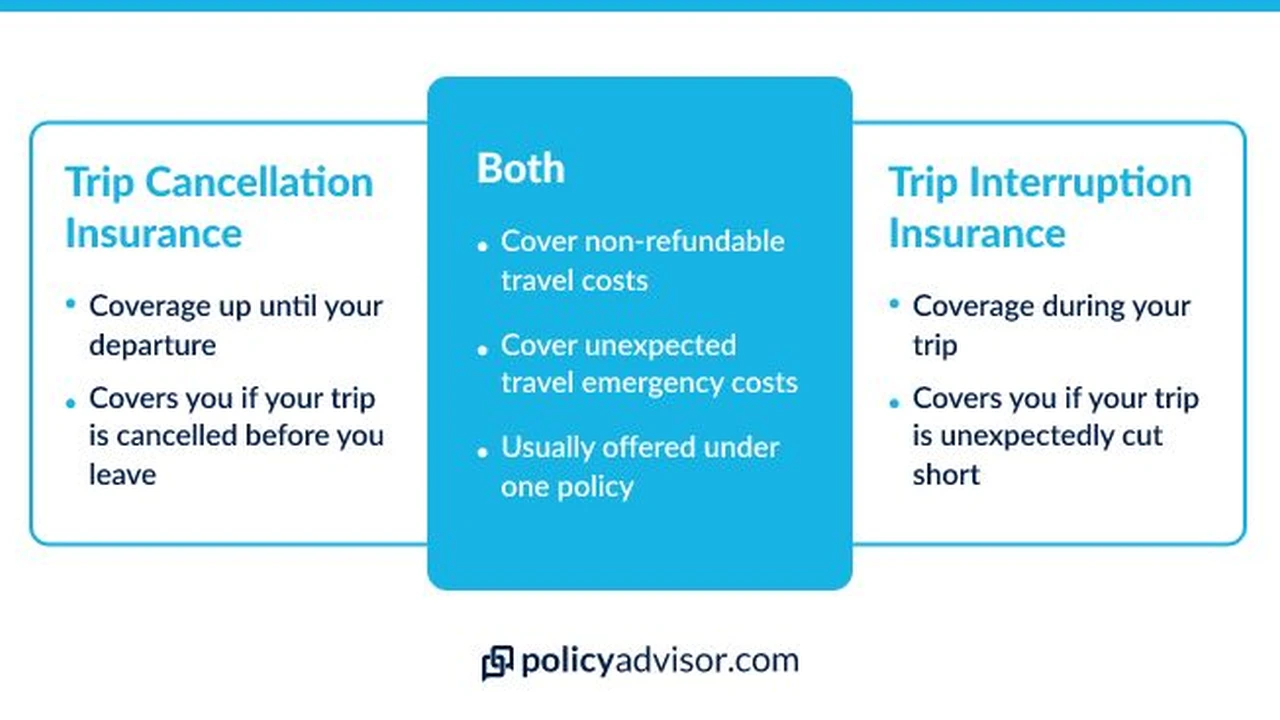
Comprehensive travel insurance is non-negotiable. Your policy should clearly define the scope of coverage, including medical emergencies, trip cancellations, lost luggage, and emergency evacuations. It should also provide clear instructions on how to file claims. Don't just assume employees understand their coverage; provide detailed summaries and points of contact for the insurance provider. Consider a policy that covers a wide range of scenarios, including political unrest and natural disasters, which are often excluded from standard travel insurance. Your policy should also address pre-existing conditions and ensure that all employees are adequately covered, regardless of their health status.
Post-Incident Support and Debriefing for Employee Well-being
The emergency doesn't end when the employee is safe. Your policy should include provisions for post-incident support, such as counseling services, medical follow-ups, and debriefing sessions. This helps employees process the experience and ensures their long-term well-being. A debriefing also provides valuable insights for improving your emergency response plan. This shows your commitment to your employees' holistic well-being, not just their physical safety. It's about acknowledging the psychological impact of traumatic events and providing the necessary resources for recovery.
Recommended Products and Services for Global Emergency Response
Now, let's talk about some practical tools and services that can help you implement these components effectively. These aren't just nice-to-haves; they are essential for a truly robust global emergency response plan.
Travel Risk Management Platforms and Software Solutions
These platforms are the command center for your emergency response. They provide real-time traveler tracking, communication tools, risk intelligence, and incident management capabilities. They allow you to know where your employees are at all times, communicate with them instantly, and respond quickly to developing situations.
1. International SOS (ISOS)
* Description: International SOS is a global leader in medical and security assistance, offering comprehensive travel risk management solutions. They provide 24/7 medical and security advice, emergency assistance, medical evacuations, and security evacuations. Their platform includes traveler tracking, risk intelligence, and communication tools.
* Use Cases: Ideal for large multinational corporations with extensive international travel. They are particularly strong in providing on-the-ground support in complex and high-risk environments.
* Comparison: ISOS is known for its extensive global footprint and direct medical and security operational capabilities. They often have their own clinics and security personnel in various regions, offering a very hands-on approach. Their pricing tends to be on the higher end due to the comprehensive nature of their services.
* Pricing: Varies significantly based on company size, number of travelers, and scope of services. Typically, it's an annual subscription model, often starting from tens of thousands of dollars for smaller enterprises and escalating to hundreds of thousands or even millions for large global corporations. You'll need to contact them for a custom quote.
2. WorldAware (now part of Everbridge)
* Description: WorldAware provides intelligence-driven risk management solutions, including traveler tracking, threat monitoring, and crisis response. Their platform integrates real-time alerts with traveler locations to provide immediate insights into potential risks.
* Use Cases: Suitable for companies needing strong intelligence capabilities and automated alerting for their travelers. Good for organizations that want to proactively inform and guide their employees away from danger zones.
* Comparison: WorldAware excels in its intelligence gathering and dissemination. While they offer response capabilities, their core strength lies in providing actionable intelligence. Their platform is highly customizable for different risk profiles. Pricing is generally competitive with other enterprise-level solutions.
* Pricing: Subscription-based, dependent on the number of travelers and the level of intelligence and response services required. Expect similar pricing tiers to ISOS, requiring a direct quote.
3. Anvil Group
* Description: Anvil Group offers a range of travel risk management services, including traveler tracking, risk intelligence, and emergency response. They focus on providing practical, actionable advice and support to mitigate risks.
* Use Cases: Good for companies looking for a balance between comprehensive services and cost-effectiveness. They are known for their user-friendly platform and responsive support.
* Comparison: Anvil often provides a more tailored and personalized service compared to some of the larger players. Their platform is intuitive, and they emphasize clear, concise risk information. Pricing can be more flexible, making them attractive to mid-sized companies.
* Pricing: Subscription models, often with tiered pricing based on features and traveler volume. Likely in the range of thousands to tens of thousands of dollars annually, depending on scale.
Global Medical and Security Assistance Providers for Travelers
These are the partners who provide the actual boots-on-the-ground support when an emergency strikes. They have global networks of medical professionals, security experts, and logistics teams.
1. International SOS (again, as they offer both platform and assistance)
* Description: As mentioned, ISOS provides direct medical and security assistance globally. This includes emergency medical care, hospital admissions, medical evacuations, security escorts, and crisis management.
* Use Cases: Essential for any company sending employees to remote or high-risk locations, or for those who want the highest level of direct support for their travelers.
* Comparison: Their strength lies in their owned and operated infrastructure (clinics, security teams) in many parts of the world, which can lead to faster and more controlled responses. They are often seen as the gold standard for comprehensive assistance.
* Pricing: Included in their overall travel risk management packages, or available as standalone assistance contracts. Again, custom quotes are necessary.
2. Healix International
* Description: Healix specializes in global medical and security assistance, offering services like medical case management, repatriation, security advice, and crisis response. They work with a network of providers worldwide.
* Use Cases: Companies seeking dedicated medical and security assistance with a strong focus on personalized care and expert advice.
* Comparison: Healix is highly regarded for its medical expertise and personalized approach to case management. They often work closely with corporate clients to develop bespoke solutions. Their network model allows for flexibility in service delivery.
* Pricing: Contract-based, depending on the level of service and anticipated usage. Similar to ISOS, expect significant annual costs for comprehensive coverage.
3. Europ Assistance
* Description: A global assistance company offering a wide range of services, including travel assistance, roadside assistance, and home assistance. For travel, they provide medical assistance, repatriation, and travel-related emergency support.
* Use Cases: Good for companies looking for a broad range of assistance services, potentially beyond just travel, from a single provider. Strong presence in Europe.
* Comparison: Europ Assistance has a very broad portfolio of services. While strong in travel, they might not be as specialized in high-risk security as some others. Their global network is extensive, particularly in developed markets.
* Pricing: Varies based on the specific services bundled. Can be more modular than some of the highly integrated risk management platforms.
Emergency Communication Tools and Satellite Phones for Remote Areas
Reliable communication is paramount, especially when traditional networks fail.
1. Iridium Satellite Phones
* Description: Iridium offers global satellite phone coverage, meaning you can communicate from virtually anywhere on Earth, even in remote areas without cellular service. They provide voice, text, and low-bandwidth data.
* Use Cases: Essential for employees traveling to extremely remote locations, areas with unreliable infrastructure, or regions prone to natural disasters where cellular networks might be down.
* Comparison: Iridium is known for its truly global coverage, thanks to its constellation of low-Earth orbit satellites. This makes it more reliable in polar regions or vast oceans compared to some other satellite networks. The devices are rugged and designed for harsh conditions.
* Pricing: Handsets typically range from $1,000 to $1,500. Airtime plans vary widely, from pay-as-you-go (around $1.50-$2.00 per minute) to monthly plans starting from $50-$100 with included minutes, going up to several hundred dollars for unlimited plans.
2. Garmin inReach Devices
* Description: These are satellite communicators that allow two-way text messaging, SOS signaling, and GPS tracking. They connect to the Iridium satellite network.
* Use Cases: Excellent for employees in less extreme remote areas where a full satellite phone might be overkill, but reliable emergency communication and tracking are still needed. Popular for field workers, researchers, or adventure travel.
* Comparison: More compact and affordable than full satellite phones, with a focus on messaging and SOS. They integrate well with smartphone apps for easier typing. The SOS feature connects directly to a 24/7 GEOS International Emergency Response Coordination Center.
* Pricing: Devices range from $300 to $500. Subscription plans are monthly, starting from around $15-$20 for basic safety plans (SOS and limited messages) up to $50-$65 for unlimited messaging and tracking.
3. Crisis Communication Platforms (e.g., Everbridge, OnSolve)
* Description: These platforms enable mass notification and critical event management. They can send alerts via multiple channels (SMS, email, voice calls, app notifications) to specific groups of employees based on their location or role.
* Use Cases: Crucial for quickly alerting all affected employees during a widespread emergency (e.g., a natural disaster in a city where many employees are present) or for targeted communications during a localized incident.
* Comparison: These platforms excel at rapid, multi-channel communication and can integrate with traveler tracking systems to automatically identify and notify affected individuals. They offer robust reporting and audit trails for compliance.
* Pricing: Enterprise-level solutions, typically subscription-based, ranging from thousands to tens of thousands of dollars annually, depending on the number of users and features.
Implementing and Maintaining Your Emergency Response Policy
Having a policy on paper is one thing; making it work is another. Your travel policy needs to clearly outline the implementation and maintenance steps.
Regular Training and Drills for Travel Emergency Preparedness
Your employees and your response team need to know the plan inside and out. Conduct regular training sessions on the emergency response procedures. Run drills and simulations to test the effectiveness of your plan and identify any weaknesses. This isn't a one-and-done; it's an ongoing process. Think about tabletop exercises for your crisis management team and online modules for all travelers.
Integration with Overall Business Continuity Planning
Your travel emergency response plan shouldn't exist in a vacuum. It needs to be seamlessly integrated with your broader business continuity and disaster recovery plans. How does a travel emergency impact your operations? How do you ensure critical business functions continue? This holistic approach ensures resilience across your organization.
Continuous Review and Updates Based on Global Events and Feedback
The world changes, and so should your plan. Regularly review your emergency response policy, at least annually, or more frequently if there are significant global events (e.g., a new pandemic, major geopolitical shifts). Incorporate lessons learned from actual incidents and feedback from employees. This ensures your plan remains relevant, effective, and responsive to evolving threats.
Legal and Compliance Considerations for International Travel Policies
Ensure your emergency response plan complies with all relevant international laws and regulations, as well as local laws in the countries where your employees travel. This includes data privacy laws (e.g., GDPR for traveler data), duty of care obligations, and insurance requirements. Consult with legal experts to ensure your policy is robust and defensible.
Budget Allocation for Travel Safety and Emergency Response Resources
Emergency response isn't free. Your policy should implicitly or explicitly acknowledge the need for adequate budget allocation for travel risk management platforms, assistance providers, communication tools, training, and insurance. Skimping here can lead to far greater costs down the line, both financial and reputational. Investing in these resources is an investment in your people and your business's resilience.
So, there you have it. A comprehensive global emergency response plan isn't just a bureaucratic exercise; it's a vital component of responsible corporate travel. It protects your most valuable assets – your people – and safeguards your business from unforeseen disruptions. Get it right, and you'll be ready for anything the world throws your way.
:max_bytes(150000):strip_icc()/277019-baked-pork-chops-with-cream-of-mushroom-soup-DDMFS-beauty-4x3-BG-7505-5762b731cf30447d9cbbbbbf387beafa.jpg)