Travel Policy for Non-Refundable Bookings
Guidelines on incorporating non-refundable options into your travel policy to balance savings with flexibility.

Guidelines on incorporating non-refundable options into your travel policy to balance savings with flexibility.
Travel Policy for Non Refundable Bookings Balancing Savings and Flexibility
Understanding Non Refundable Bookings What They Are and Why They Matter
Alright, let's talk about non-refundable bookings. You've probably seen them everywhere – flights, hotels, rental cars. They're those tempting options that pop up with a significantly lower price tag, but with a big catch: if your plans change, you're usually out of luck and out of pocket. So, what exactly are they? Simply put, a non-refundable booking means that once you've paid, you generally can't get your money back if you cancel or don't show up. There might be some very specific exceptions, like a death in the family or a severe medical emergency, but for the most part, that money is gone.
Why do they matter for your business travel policy? Well, it's all about the money, honey. Non-refundable options are often the cheapest available. Airlines and hotels offer them because it guarantees them revenue, even if the seat or room goes empty. For businesses, this translates into potential massive savings on travel expenses. Imagine if every flight and hotel stay for your team was 20-30% cheaper. That adds up, especially for companies with frequent travelers. However, there's a flip side: the lack of flexibility. Business travel can be unpredictable. Meetings get rescheduled, projects get delayed, and sometimes, a traveler just gets sick. If your policy is too rigid with non-refundable bookings, you could end up losing more money on canceled trips than you save on cheaper fares.
So, the core challenge is finding that sweet spot: how do you leverage the cost-saving benefits of non-refundable bookings without crippling your team's ability to adapt to unforeseen circumstances? That's what we're diving into today.
The Pros and Cons of Non Refundable Travel Options for Businesses
Let's break down the good, the bad, and the potentially ugly when it comes to non-refundable travel for your company.
The Pros Significant Cost Savings and Budget Predictability
- Major Cost Reductions: This is the big one. Non-refundable fares and rates are consistently lower than their flexible counterparts. For a company with a high volume of travel, this can lead to substantial savings over a year. We're talking thousands, tens of thousands, or even hundreds of thousands of dollars, depending on your scale.
- Budget Predictability: When you book non-refundable, you know exactly what you're paying upfront. This can help with more accurate budget forecasting for your travel department.
- Encourages Planning: A policy that leans towards non-refundable bookings can subtly encourage employees to finalize their travel plans earlier, which can sometimes lead to even better deals.
- Reduced 'Just in Case' Bookings: If employees know they can't easily cancel, they're less likely to book speculative trips or hold multiple reservations, which can tie up company funds.
The Cons Lack of Flexibility and Potential Financial Loss
- Financial Loss on Cancellations: This is the primary drawback. If a trip is canceled for any reason (project delay, illness, client cancellation), the money spent on non-refundable bookings is typically lost. This can quickly erode any savings gained.
- Reduced Agility: Business environments are dynamic. The inability to easily change or cancel bookings can make your team less agile and responsive to sudden shifts in priorities or opportunities.
- Employee Frustration: Constantly losing money on canceled trips can be frustrating for employees, especially if they feel the policy is too restrictive and doesn't account for real-world business needs.
- Administrative Burden: While the initial booking might be cheaper, dealing with cancellations, re-bookings, and trying to recover any value (like airline credits, which often have expiration dates and change fees) can be an administrative headache.
- Limited Options: Sometimes, the cheapest non-refundable option might involve inconvenient flight times or less desirable hotels, impacting employee comfort and productivity.
The key is to weigh these pros and cons against your company's specific travel patterns, risk tolerance, and overall business objectives. There's no one-size-fits-all answer here.
Crafting Your Travel Policy for Non Refundable Bookings Best Practices
So, how do you write a policy that makes sense? It's about setting clear guidelines and providing options.
Defining When Non Refundable is Acceptable and When It Is Not
This is crucial. Your policy shouldn't be a blanket 'always non-refundable' or 'never non-refundable.' Instead, define scenarios:
- High Certainty Trips: For trips with a very high certainty of happening (e.g., annual conferences, scheduled client visits with long lead times, internal training sessions), non-refundable options might be mandated or strongly encouraged.
- Low Certainty Trips: For trips that are more speculative, subject to frequent changes, or involve new business development where outcomes are uncertain, flexible options might be preferred or required.
- Cost Thresholds: You could set a monetary threshold. For example, if a non-refundable flight saves more than $X compared to a flexible one, it's allowed. If the saving is minimal, flexibility might be prioritized.
- Advance Booking Windows: Encourage or mandate non-refundable bookings for trips booked far in advance (e.g., 30+ days out), as these are generally more stable.
- Specific Departments/Roles: Some departments (e.g., sales) might have more unpredictable travel than others (e.g., internal auditors). Your policy could have nuances based on roles.
Implementing Approval Workflows for Non Refundable Bookings
To mitigate risk, consider adding an extra layer of approval for non-refundable bookings, especially for higher-cost trips.
- Manager Approval: Standard. The employee's direct manager should approve the trip, including the booking type.
- Department Head/Finance Approval: For very high-value non-refundable bookings, require approval from a department head or even the finance team. This ensures a higher level of scrutiny for potentially lost funds.
- Automated Flags: Your travel management platform (TMC or OBT) should flag non-refundable options and require an explicit acknowledgment or additional approval step before booking.
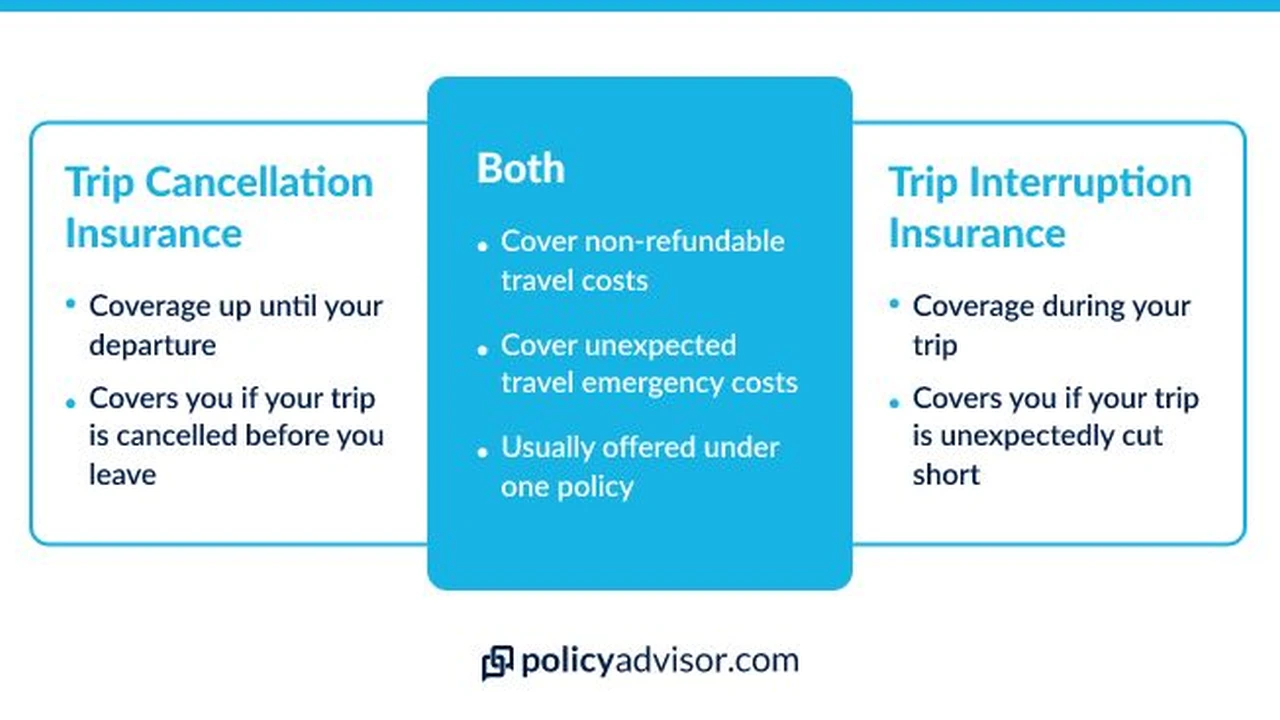
Leveraging Travel Insurance and Flexible Options for Risk Mitigation
This is your safety net. Don't overlook it!
- Corporate Travel Insurance: Invest in a robust corporate travel insurance policy. This can cover cancellations due to illness, accidents, natural disasters, and sometimes even business reasons (though check the fine print carefully). This is often more cost-effective than buying individual trip insurance for every non-refundable booking.
- Cancel for Any Reason (CFAR) Insurance: While more expensive, CFAR policies offer the ultimate flexibility, allowing cancellation for virtually any reason, usually with a partial refund (e.g., 75%). This might be worth considering for extremely high-value, high-risk trips.
- Airline/Hotel Credits: Understand the airline and hotel policies regarding non-refundable bookings. Many airlines now offer flight credits for canceled non-refundable tickets, though often with a change fee and an expiration date. Your policy should outline how these credits are tracked and utilized.
- Flexible Fares for High-Risk Trips: For trips where cancellation or changes are highly probable, it might be more economical to book a slightly more expensive flexible fare upfront than to risk losing the entire non-refundable amount.
Technology Solutions for Managing Non Refundable Bookings and Travel Policies
You don't have to manage this manually. Technology is your friend here.
Online Booking Tools OBTs and Travel Management Companies TMCs
These are your primary tools for enforcing and managing your travel policy, including non-refundable options.
- Policy Enforcement: Both OBTs and TMCs can be configured to display preferred non-refundable options, flag out-of-policy bookings, and even block them if necessary. They can guide travelers towards compliant choices.
- Approval Workflows: They automate the approval process, routing requests for non-refundable bookings to the appropriate managers or finance personnel.
- Data and Reporting: They provide detailed reports on booking types, cancellation rates, and lost funds due to non-refundable cancellations, helping you refine your policy over time.
- Negotiated Rates: TMCs often have access to negotiated rates that might offer better flexibility even on what appear to be non-refundable options, or they can secure better terms for your company.
Expense Management Software Integration and Tracking
Your expense system needs to talk to your travel system.
- Seamless Data Flow: When a non-refundable booking is made, the expense system should automatically capture the details. If it's canceled, the system should track the lost amount or any credits issued.
- Credit Tracking: Some advanced expense management systems can help track and manage airline or hotel credits, ensuring they are utilized before expiration.
- Reporting on Lost Funds: Integrate reporting to show how much money is being lost due to non-refundable cancellations, providing crucial data for policy adjustments.
Specific Product Recommendations for Travel Policy Management
Let's look at some popular platforms that can help you navigate the non-refundable landscape.
1. SAP Concur Travel & Expense
- Overview: A comprehensive, cloud-based solution for travel, expense, and invoice management. It's a market leader, especially for larger enterprises.
- Non-Refundable Features: Concur Travel allows you to set up detailed policy rules, including preferences for non-refundable fares. It can flag out-of-policy bookings, require additional approvals for non-refundable options, and integrate with various GDS (Global Distribution Systems) and direct supplier connections to show a wide range of fares. Its expense module tracks all spending, including lost non-refundable amounts.
- Use Case: Ideal for medium to large businesses with complex travel needs, multiple departments, and a desire for integrated travel and expense reporting.
- Comparison: Offers deep integration and robust reporting. Can be more complex to set up and manage than simpler tools.
- Pricing: Subscription-based, typically quoted per user per month or per transaction. Pricing is customized based on company size and modules needed, often starting from a few dollars per user per month for basic features and scaling up significantly for full suites. You'll need to contact their sales team for a precise quote.
2. TripActions (now Navan)
- Overview: Known for its modern user interface and focus on traveler experience, TripActions (now Navan) combines travel booking, expense management, and corporate card solutions.
- Non-Refundable Features: Navan's platform allows administrators to set granular policy controls, including mandating or preferring non-refundable options based on trip type or cost. It provides real-time policy guidance to travelers during the booking process. Their 'Flex' options and integrated corporate cards can help manage the risk of non-refundable bookings by offering more flexibility or easier credit management.
- Use Case: Great for companies looking for a user-friendly experience, strong mobile capabilities, and integrated expense management. Particularly popular with tech companies and those prioritizing employee satisfaction.
- Comparison: Often praised for its intuitive design and strong customer support. May be a premium option compared to some basic OBTs.
- Pricing: Subscription model, often based on active users or transaction volume. Similar to Concur, pricing is custom and requires a direct quote from their sales team. Expect competitive pricing for mid-market to enterprise.
3. Egencia (an Expedia Group Company)
- Overview: A global travel management company that provides an integrated online platform for booking, policy enforcement, and reporting.
- Non-Refundable Features: Egencia allows companies to configure their travel policies to prioritize or restrict non-refundable options. Their platform provides visibility into policy compliance and can be set up with approval workflows for out-of-policy bookings, including those that deviate from non-refundable preferences. They also offer robust reporting on travel spend and policy adherence.
- Use Case: Suitable for companies of all sizes, especially those with international travel needs, leveraging Expedia's vast inventory.
- Comparison: Strong global presence and inventory. User interface might be considered less modern than some newer players, but highly functional.
- Pricing: Varies based on volume, services, and specific needs. Typically a combination of transaction fees and/or management fees. Contact Egencia sales for a tailored proposal.
4. TravelPerk
- Overview: A business travel platform that emphasizes flexibility and 24/7 support, particularly known for its 'FlexiPerk' feature.
- Non-Refundable Features: While TravelPerk offers access to non-refundable fares, its standout feature, FlexiPerk, allows you to book any flight, hotel, or train ticket and cancel it up to 2 hours before departure for at least 80% money back. This effectively turns non-refundable bookings into highly flexible ones, for an additional fee.
- Use Case: Excellent for companies where travel plans are highly unpredictable, or where the peace of mind of guaranteed refunds is paramount. Good for small to medium businesses and startups.
- Comparison: Unique 'FlexiPerk' offering provides a strong competitive advantage for flexibility. May be slightly more expensive overall if FlexiPerk is used extensively.
- Pricing: Offers different plans (Free, Premium, Pro). The 'Free' plan has basic features. Premium and Pro plans are subscription-based, with FlexiPerk being an add-on service charged as a percentage of the booking cost (e.g., 10% of the booking value).
5. Rydoo
- Overview: Focuses on simplifying expense management and business travel, offering a user-friendly platform for booking and expense reporting.
- Non-Refundable Features: Rydoo allows companies to set up travel policies that can guide users towards or away from non-refundable options. While its booking capabilities are integrated, its strength lies in expense management, ensuring that all travel costs, including any lost non-refundable amounts, are properly captured and reported.
- Use Case: Best for companies primarily looking to streamline expense reporting with integrated travel booking, especially those with simpler travel policy needs.
- Comparison: Strong in expense management, perhaps less robust in complex travel policy enforcement compared to full-suite TMCs.
- Pricing: Subscription-based, typically per user per month. They offer different tiers (e.g., Essential, Premium, Enterprise) with varying features. Pricing can range from $7-12 per user per month, with custom quotes for larger enterprises.
When choosing a platform, consider your company's size, travel volume, complexity of policy needs, budget, and how important integrated expense management is to you. Always request demos and custom quotes.
Communicating Your Non Refundable Booking Policy to Employees
A policy is only as good as its communication. Don't just write it; make sure everyone understands it.
Clear Guidelines and Training for Travelers and Approvers
- Policy Document: Have a clear, concise, and easily accessible policy document. Use plain language, avoid jargon.
- Training Sessions: Conduct regular training sessions for new hires and existing employees. Explain the 'why' behind the policy – the cost savings, the trade-offs.
- Scenario-Based Examples: Provide examples. "If you book a non-refundable flight for Project X, and Project X gets delayed, here's what happens..."
- Approver Training: Train managers and approvers on their responsibilities, especially regarding the financial implications of approving non-refundable bookings.
FAQs and Support Channels for Policy Clarification
- Internal FAQ Page: Create an internal FAQ page on your intranet or travel portal addressing common questions about non-refundable bookings.
- Dedicated Support: Designate a point person or team (e.g., travel manager, HR, finance) who employees can contact with questions or for assistance with changes/cancellations.
- Automated Reminders: If using an OBT, configure it to display reminders or warnings when a non-refundable option is selected.
Reviewing and Adapting Your Travel Policy for Non Refundable Bookings
Your policy isn't set in stone. The business world changes, and so should your guidelines.
Regular Policy Audits and Performance Metrics
- Annual Review: Schedule an annual review of your travel policy, specifically focusing on the impact of non-refundable bookings.
- Key Metrics: Track:
- Total savings from non-refundable bookings.
- Total losses from canceled non-refundable bookings.
- Percentage of trips booked as non-refundable vs. flexible.
- Employee satisfaction with the policy (e.g., through surveys).
- Compliance rates with non-refundable guidelines.
- Identify Trends: Look for patterns. Are certain departments losing more money on non-refundable cancellations? Is there a specific type of trip that consistently gets canceled?
Incorporating Feedback and Industry Changes
- Employee Feedback: Actively solicit feedback from your travelers and approvers. They are on the front lines and can provide invaluable insights.
- Industry Trends: Stay updated on changes in airline and hotel policies regarding non-refundable bookings, new travel insurance products, and advancements in travel technology.
- Economic Climate: In times of economic uncertainty, you might lean more heavily on non-refundable options for cost savings. In periods of rapid growth or change, you might prioritize flexibility.
By continuously monitoring, adapting, and communicating, you can ensure your travel policy effectively balances the significant cost-saving potential of non-refundable bookings with the necessary flexibility and support for your traveling employees.
:max_bytes(150000):strip_icc()/277019-baked-pork-chops-with-cream-of-mushroom-soup-DDMFS-beauty-4x3-BG-7505-5762b731cf30447d9cbbbbbf387beafa.jpg)