Travel Policy for Remote Work International
Considerations for travel policies when employees are working remotely from different international locations.

Considerations for travel policies when employees are working remotely from different international locations.
Travel Policy for Remote Work International Navigating Global Teams
Hey there! So, your team is going global, and folks are working from all corners of the world. That's awesome for flexibility and talent acquisition, but it also throws a curveball when it comes to travel policies. It's not just about booking flights anymore; it's about understanding a whole new landscape of rules, regulations, and even cultural nuances. Let's dive into what you need to consider when crafting a travel policy for your internationally remote workforce.
Understanding the Remote Work International Landscape Key Considerations
When you have employees scattered across different countries, their 'remote' status doesn't always mean they stay put. They might travel for team meetups, client visits, or even just to work from a different country for a few months. This is where your travel policy needs to be super clear. We're talking about everything from tax implications to immigration laws and even health insurance. It's a lot, but getting it right saves a ton of headaches down the line.
Tax Implications for International Remote Workers and Travel
This is a big one. When an employee travels for work, even if they're remote, their presence in a foreign country can trigger tax obligations for both them and the company. We're talking about corporate tax nexus, permanent establishment risks, and individual income tax. For example, if your US-based remote employee spends more than a certain number of days working from, say, Thailand, Thailand might consider them a tax resident, and your company might be liable for corporate taxes there. It's complex, and you'll definitely want legal and tax advice here. Some companies use specialized software to track employee days in different jurisdictions to avoid accidental tax triggers.
Immigration and Visa Requirements for Global Remote Travel
Just because someone is a remote employee doesn't mean they can just hop on a plane and work from anywhere. Every country has its own visa and immigration rules. A tourist visa almost never allows for work, even remote work for a foreign company. You need to be aware of digital nomad visas, business visas, and work permits. Your policy should clearly state what types of travel are permitted and what documentation is required. For instance, a quick trip to a conference might be fine on a business visa, but a three-month 'workation' could land your employee in hot water without the right permit. Tools like VisaGuide.World or Sherpa can help employees check visa requirements, but the company should still provide clear guidance.
Health and Safety Duty of Care for Remote International Travel
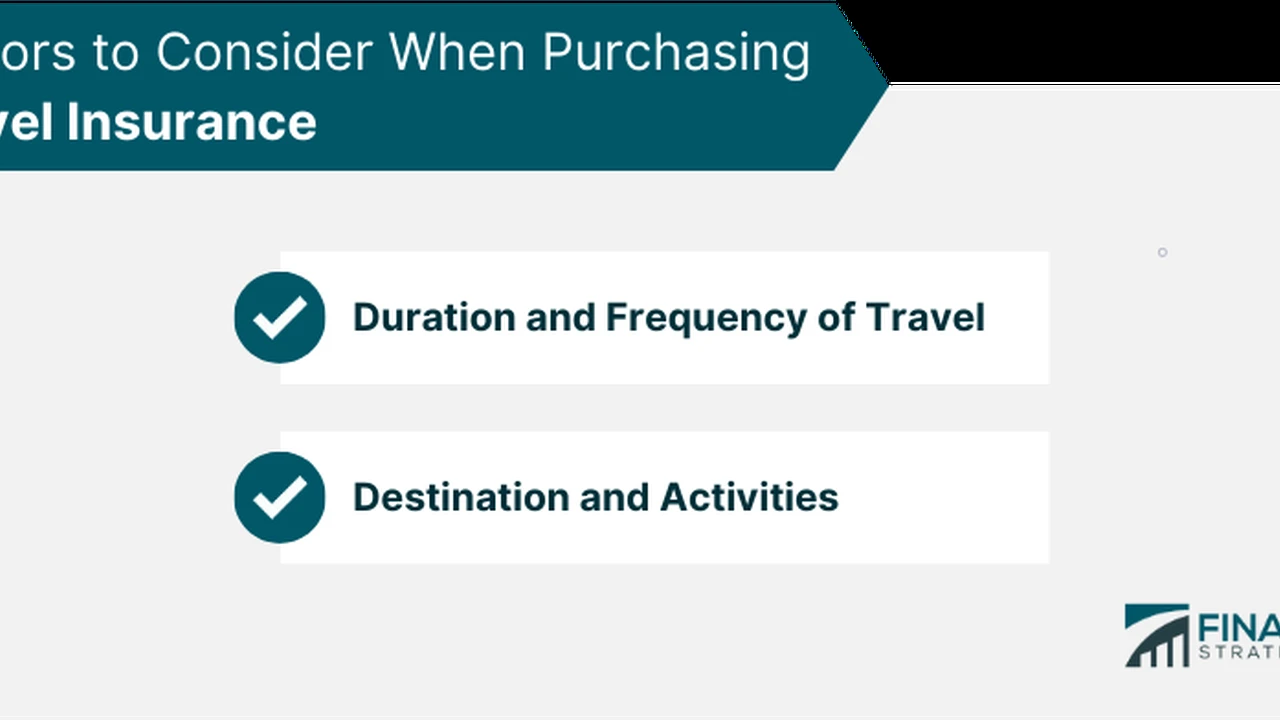
Your duty of care extends to your remote employees, especially when they travel. This means ensuring they have access to adequate health insurance, emergency assistance, and security information. What happens if your remote employee gets sick in a country with a different healthcare system? Or if there's a natural disaster? Your travel policy should outline emergency protocols, provide access to international health insurance (or ensure their existing plan covers international travel), and offer resources for travel advisories. Consider services like International SOS or Crisis24 for global assistance and risk management.
Crafting Your International Remote Travel Policy Essential Components
Now that we've covered some of the big considerations, let's talk about what actually goes into your policy. Think of it as a living document that needs to be clear, comprehensive, and adaptable.
Defining Business Travel for Remote Employees
What constitutes 'business travel' for a remote employee? Is it only when they're explicitly sent by the company for a client meeting? Or does it include attending an industry conference they found themselves? Your policy needs to define this clearly to avoid confusion about expense reimbursement and company liability. For example, you might define business travel as 'any travel undertaken at the direct request of the company for specific business purposes, such as client meetings, team offsites, or mandatory training.'
Expense Management and Reimbursement for Global Remote Travel
This is where things can get tricky with different currencies, tax receipts, and local regulations. Your policy should detail what expenses are reimbursable (flights, accommodation, meals, ground transport, visa fees, travel insurance), the approval process, and how to submit receipts. Consider using expense management software that handles multiple currencies and integrates with accounting systems. Some popular options include:
- Expensify: Great for receipt capture, automated expense reports, and integrates with many accounting software. Pricing starts around $5 per active user per month for basic plans, scaling up for more features.
- SAP Concur: A more robust, enterprise-level solution for travel and expense management. Offers comprehensive features for policy enforcement, booking, and reporting. Pricing is typically custom based on company size and needs, but expect it to be higher than Expensify.
- Rydoo: Focuses on simplifying expense management with a user-friendly interface and strong mobile capabilities. Offers real-time expense tracking and policy compliance. Pricing starts from around $9 per user per month.
Make sure your policy also addresses per diems versus actual expenses, and how to handle foreign exchange rates.
Travel Booking Procedures and Preferred Vendors for Remote Teams
Even with remote teams, having a centralized booking system or preferred vendors can save money and ensure compliance. Your policy should outline whether employees book their own travel (and if so, through what channels) or if there's a designated travel manager or platform. You might have preferred airlines or hotel chains that offer corporate discounts. For example, you could mandate booking through an Online Booking Tool (OBT) like TripActions (now Navan) or Egencia (an Expedia Group company). These platforms integrate with your policy, offer negotiated rates, and provide visibility into travel spend. Pricing for OBTs varies widely based on volume and features, often involving transaction fees or subscription models.
Communication and Emergency Protocols for International Remote Travel
What happens if an employee misses a flight, loses their passport, or faces an emergency while traveling? Your policy needs clear communication channels and emergency contacts. This includes who to notify, how to get assistance, and what resources are available. Provide a list of emergency numbers, embassy contacts, and internal points of contact. Consider a travel risk management platform that offers real-time alerts and two-way communication with travelers.
Technology Solutions for Managing International Remote Travel Policies
You can't manage a global remote workforce's travel with spreadsheets. Technology is your best friend here. Let's look at some categories and specific products.
Travel Management Platforms for Global Remote Work
These platforms are designed to centralize travel booking, expense management, and policy enforcement. They offer a holistic view of your company's travel activities.
- Navan (formerly TripActions): A comprehensive travel and expense management platform that offers a consumer-grade booking experience with built-in policy controls. It provides real-time data, personalized recommendations, and 24/7 support. It's great for enforcing policies and getting insights into spending. Pricing is typically enterprise-level, based on volume and features, often involving a per-trip fee or a subscription.
- TravelPerk: Another popular all-in-one business travel platform known for its user-friendly interface and extensive inventory. It offers flexible booking options, VAT recovery, and carbon offsetting features. Good for companies looking for a modern, employee-centric solution. Pricing is usually a per-trip fee or a subscription model, with different tiers offering more features.
- Egencia: Part of the Expedia Group, Egencia provides a robust platform for managing business travel, including online booking, expense integration, and reporting. It's well-suited for larger organizations with complex travel needs. Pricing is custom, often based on transaction volume.
Expense Management Software with Multi-Currency Support
As mentioned earlier, these are crucial for handling international expenses.
- Expensify: (Reiterating as it's a strong contender here) Its SmartScan technology makes receipt capture easy, and it supports multiple currencies and integrates with various accounting systems.
- SAP Concur: (Also reiterating) Offers advanced features for multi-currency expense reporting, VAT recovery, and global compliance. Its robust reporting capabilities are a big plus for international operations.
- Fyle: An AI-powered expense management solution that integrates directly with credit cards and offers real-time expense tracking. It supports multiple currencies and helps with policy compliance. Pricing starts from around $6 per user per month.
Global Mobility and Compliance Tools for Remote Travel
These tools help you navigate the complex world of international tax, immigration, and payroll for your global workforce, including when they travel.
- Remote: While primarily an Employer of Record (EOR) service, Remote also offers tools and expertise for managing global payroll, benefits, and compliance, which is crucial when employees travel internationally. They can advise on permanent establishment risks. Pricing for EOR services typically involves a monthly fee per employee, often starting from $599 per employee per month, but can vary based on country and services.
- Deel: Similar to Remote, Deel provides EOR services, global payroll, and contractor management. They offer insights into local labor laws and tax implications, which are vital for understanding travel risks. Pricing for EOR services is comparable to Remote.
- Topia: A global mobility management platform that helps companies manage distributed workforces, including tracking employee locations, assessing tax and immigration risks, and managing assignments. This is more of a comprehensive solution for companies with significant international movement. Pricing is custom and enterprise-level.
Best Practices for Implementing Your International Remote Travel Policy
Having a policy is one thing; making sure it works is another. Here are some tips for successful implementation.
Clear Communication and Training for Remote Employees
Don't just send out the policy and expect everyone to read it. Hold webinars, create FAQs, and make sure employees know where to find the latest version. Explain the 'why' behind the rules – why certain visas are needed, why expense reporting is so detailed. The more they understand, the more likely they are to comply.
Regular Review and Updates for Global Travel Policies
The world changes fast, and so do regulations. Tax laws, immigration rules, and even health advisories can shift quickly. Schedule regular reviews of your policy – at least annually, but more frequently if there are significant global events or changes in your company's remote work strategy. Get feedback from employees and managers.
Seeking Expert Legal and Tax Advice for International Travel
Seriously, don't try to figure out international tax and immigration law on your own. Invest in good legal and tax counsel specializing in global mobility. They can help you assess risks, structure your policy correctly, and ensure compliance in all the countries where your employees might travel or reside.
Balancing Flexibility and Compliance in Remote Travel
Remote work is all about flexibility, and your travel policy should reflect that where possible. While you need strict rules for compliance, try to build in some flexibility for employee comfort and productivity. For example, allowing for 'bleisure' travel (combining business and leisure) can be a great perk, as long as the policy clearly defines what's covered by the company and what's personal.
So, there you have it. Managing travel for an international remote workforce is a big undertaking, but with a well-thought-out policy and the right tech tools, you can keep your team productive, compliant, and safe, no matter where they're working from.
:max_bytes(150000):strip_icc()/277019-baked-pork-chops-with-cream-of-mushroom-soup-DDMFS-beauty-4x3-BG-7505-5762b731cf30447d9cbbbbbf387beafa.jpg)