How US Travel Policies Adapt for International Travel
Strategies for US-based companies to tailor their travel policies to effectively manage international business trips.
Advertisement
Strategies for US-based companies to tailor their travel policies to effectively manage international business trips. Navigating the complexities of international business travel can be a real headache for US-based companies. It's not just about booking flights and hotels; it's about understanding a whole new set of rules, risks, and cultural nuances. Your standard domestic travel policy, no matter how robust, simply won't cut it when your team is jet-setting across continents. This article dives deep into how US companies can adapt their travel policies to effectively manage international business trips, ensuring compliance, safety, and cost-efficiency.
How US Travel Policies Adapt for International Travel
Understanding the Unique Challenges of International Business Travel
When your employees travel internationally, they step into a world of different laws, customs, and potential risks. Unlike domestic travel, where regulations are relatively uniform, international travel involves a patchwork of visa requirements, health advisories, security threats, and currency fluctuations. A US-centric travel policy often overlooks these critical elements, leading to potential legal issues, financial losses, and, most importantly, risks to employee well-being. For instance, a simple trip to Southeast Asia might involve navigating complex visa processes for countries like Vietnam or Indonesia, understanding local transportation norms in Thailand, or being aware of specific health precautions for malaria-prone areas in the Philippines. Your policy needs to be a living document that anticipates these challenges.
Key Areas Where US Policies Need International Adaptation
Visa and Immigration Compliance for Global Mobility
This is often the first and most significant hurdle. US citizens might enjoy visa-free travel to many countries, but this isn't universal, and the rules can change. Your policy must clearly outline the process for obtaining necessary visas, including who is responsible for applications (employee or company), timelines, and documentation. For example, a business trip to China requires a specific business visa, which can take weeks to process. Companies should consider using specialized visa services like CIBTvisas or VisaHQ to streamline this process. These services offer expedited processing and expert guidance, reducing the administrative burden on both the company and the employee. CIBTvisas, for instance, has a global network and can handle complex multi-country itineraries, with service fees typically ranging from $100 to $300 per visa, plus government fees. VisaHQ offers similar services, often with competitive pricing and a user-friendly online platform.
Health and Safety Protocols for International Travelers
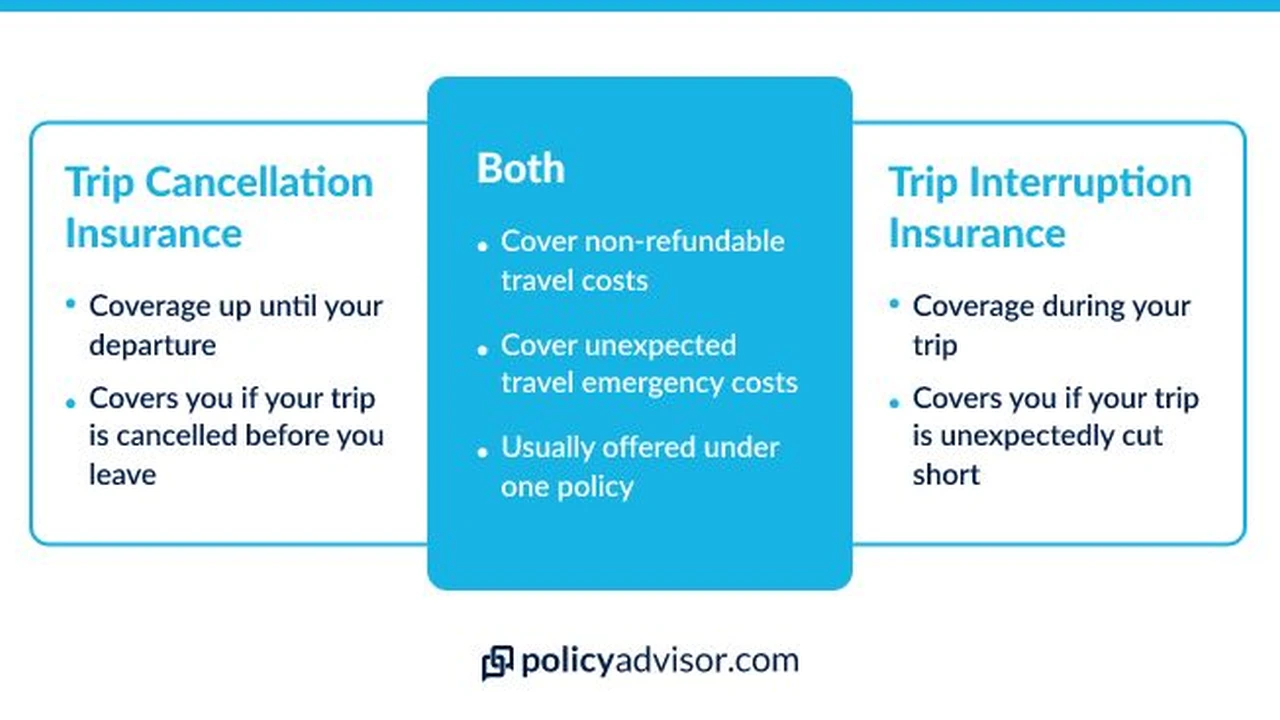
Duty of care extends significantly when employees travel abroad. Your policy needs to address health risks (e.g., required vaccinations, access to medical care, emergency evacuation procedures) and safety concerns (e.g., political instability, crime rates, natural disasters). Consider integrating services from global assistance providers like International SOS or World Nomads. International SOS offers comprehensive medical and security assistance, including 24/7 access to doctors, emergency evacuations, and security alerts. Their corporate plans are tailored to company size and travel volume, with annual costs potentially ranging from thousands to tens of thousands of dollars. World Nomads, while often geared towards individual travelers, offers robust travel insurance that can be adapted for business trips, covering medical emergencies, trip cancellation, and personal belongings, with policies starting from around $100 for a short trip.
Currency Exchange and Expense Management Across Borders
Managing expenses in multiple currencies can be a nightmare without clear guidelines. Your policy should specify preferred payment methods (corporate cards, personal cards with reimbursement), exchange rate policies, and per diem allowances. Tools like Expensify or SAP Concur are invaluable here. Expensify allows employees to easily track expenses, scan receipts, and automatically convert currencies, simplifying the reimbursement process. Their pricing starts at around $5 per active user per month. SAP Concur offers a more comprehensive suite for larger enterprises, integrating travel booking, expense management, and invoice processing, with pricing typically customized based on company size and modules used, often starting at several dollars per transaction or user. These platforms help enforce spending limits and provide real-time visibility into international expenditures.
Cultural Sensitivity and Local Business Practices
What's acceptable in the US might be offensive elsewhere. Your policy should encourage employees to research local customs, dress codes, and business etiquette. While not a direct policy enforcement, providing resources or even mandatory cultural awareness training can prevent awkward situations and foster better business relationships. For example, in many Asian cultures, exchanging business cards is a formal ritual, and receiving one with one hand can be seen as disrespectful. Your policy can recommend pre-trip briefings or access to online cultural guides.
Communication and Connectivity for Global Teams
Ensuring employees can communicate effectively and stay connected is crucial for safety and productivity. Your policy should address mobile roaming, international SIM cards, or Wi-Fi access. Consider providing company-issued international phones or stipends for data plans. Services like Google Fi offer seamless international roaming at competitive rates, while local SIM cards can be a cost-effective solution in many countries. The policy should also outline communication protocols in emergencies.
Ground Transportation and Local Travel Guidelines
Safety and efficiency in local transportation vary wildly. Your policy should provide guidance on safe modes of transport, approved ride-sharing services, and avoiding unlicensed taxis. For instance, in many Southeast Asian cities, ride-hailing apps like Grab (Southeast Asia) or Gojek (Indonesia) are widely used and generally safer than street taxis. Your policy can recommend or even mandate the use of such services, providing a layer of security and transparency. It should also address car rental policies, especially in countries where driving conditions or traffic laws differ significantly from the US.
Integrating Technology for Seamless International Travel Management
Leveraging technology is paramount for effective international travel policy adaptation. Manual processes simply cannot keep up with the dynamic nature of global travel.
Travel Management Platforms for Centralized Control
Platforms like TripActions or Egencia offer end-to-end solutions for booking, policy enforcement, and expense management. TripActions, for example, uses AI to personalize travel options while ensuring policy compliance, and provides real-time data analytics on spending. Their pricing is typically subscription-based, varying with company size and features. Egencia, an Expedia Group company, offers a comprehensive platform with global reach, integrating flights, hotels, and ground transport, along with robust reporting tools. These platforms can be configured with specific international policy rules, such as preferred airlines for long-haul flights, maximum hotel rates in different cities, or restrictions on business class travel based on flight duration.
Risk Management and Tracking Software for Employee Safety
Tools like Everbridge or OnSolve provide critical event management and mass notification capabilities. Everbridge allows companies to locate employees in crisis zones, send targeted alerts, and manage emergency responses. Their solutions are enterprise-grade, with pricing based on the scale of deployment. OnSolve offers similar capabilities, focusing on critical communications and risk intelligence. These platforms are essential for fulfilling duty of care obligations, especially in regions prone to natural disasters, political unrest, or health crises. They can integrate with travel booking data to automatically track employee locations and trigger alerts if they enter a high-risk area.
Virtual Payment Solutions for Secure Transactions
Virtual cards, offered by providers like AirPlus International or Conferma Pay, provide a secure way to manage international payments. These single-use or limited-use virtual cards can be issued for specific trips or expenses, reducing fraud risk and simplifying reconciliation. AirPlus International offers corporate payment solutions tailored for business travel, including virtual cards that integrate with expense management systems. Conferma Pay specializes in virtual card technology, working with various banks and travel management companies. These solutions provide granular control over spending, allowing companies to set limits and categories for each transaction, which is particularly useful for international travel where currency fluctuations and varying vendor practices can complicate traditional payment methods.
Best Practices for Implementing International Travel Policies
Clear Communication and Training for Employees
An international travel policy is only effective if employees understand and adhere to it. Conduct regular training sessions, provide easily accessible policy documents, and create FAQs. Use clear, concise language, avoiding jargon. Consider pre-trip briefings for complex international itineraries, covering everything from visa requirements to cultural norms and emergency contacts.
Regular Review and Updates Based on Global Events
The international landscape is constantly changing. Geopolitical events, health crises, and economic shifts can all impact travel. Your policy should be reviewed and updated regularly, at least annually, or more frequently in response to significant global events. Establish a process for monitoring global advisories from government bodies (e.g., US State Department travel advisories) and international health organizations (e.g., WHO).
Flexibility and Exceptions for Unique Situations
While policies provide structure, international travel often presents unique circumstances. Build in a process for requesting and approving exceptions, ensuring that these are documented and justified. For example, a last-minute client meeting might necessitate a more expensive flight than typically allowed, or a specific health condition might require a higher class of accommodation. A rigid policy can hinder business agility.
Leveraging Travel Management Companies TMCs
Partnering with a global Travel Management Company (TMC) like American Express Global Business Travel or BCD Travel can be a game-changer. These TMCs have extensive global networks, local expertise, and technology to manage complex international itineraries, negotiate better rates, and provide 24/7 support. American Express Global Business Travel offers comprehensive services, from booking and expense management to risk mitigation and data analytics, with pricing models varying based on service level and volume. BCD Travel provides similar global solutions, focusing on personalized service and technology integration. They can help enforce your international policy, provide real-time alerts, and assist employees in emergencies, acting as an extension of your internal travel team.
Data Analytics for Continuous Improvement
Utilize the data generated from international travel to identify trends, optimize spending, and refine your policy. Analyze flight routes, hotel choices, and ground transportation costs to pinpoint areas for savings or policy adjustments. For example, if data shows frequent last-minute international bookings, your policy might need to incentivize earlier booking or provide clearer guidelines for urgent travel. Data can also highlight compliance issues or areas where employees struggle to adhere to the policy, prompting further training or policy revisions.
Adapting US travel policies for international travel is not a one-time task but an ongoing commitment. By focusing on visa compliance, health and safety, expense management, cultural awareness, and leveraging the right technology and partnerships, US-based companies can ensure their international business trips are productive, safe, and cost-effective. It's about creating a framework that supports global growth while protecting your most valuable asset: your employees.

:max_bytes(150000):strip_icc()/277019-baked-pork-chops-with-cream-of-mushroom-soup-DDMFS-beauty-4x3-BG-7505-5762b731cf30447d9cbbbbbf387beafa.jpg)